
Why Consistent Primary Care is Key for Long-Term Wellness
Establishing a relationship with a primary care provider serves as a foundation for maintaining wellness throughout life. Many people only seek medical attention when they feel sick or sustain an injury. Regular visits create a comprehensive health history that allows providers to spot trends over time. This proactive approach focuses on keeping you well rather than just treating illness.
What Is Primary Care?
Primary care acts as the first point of contact for patients within the healthcare system. It covers a broad range of health services, including preventive measures, chronic disease management, and acute care for sudden illnesses. Providers in this field often specialize in family medicine, internal medicine, or pediatrics. They coordinate with specialists when more specific treatment becomes necessary.
Your provider builds a complete picture of your health by tracking changes from year to year. This longitudinal data helps identify potential issues before they become severe problems. Patients receive guidance on lifestyle factors such as nutrition, stress management, and physical activity. The goal remains keeping the whole person healthy through every stage of life.
Why Does Consistency Matter?
Seeing the same provider regularly builds trust and improves communication. When a doctor knows your medical history, they can make better decisions about your care. Continuity allows for personalized treatment plans that align with your specific needs. It eliminates the need to repeat your medical history at every visit.
Regular visits offer several benefits for patients seeking long-term stability:
- Better communication: Familiarity encourages open dialogue about sensitive health topics.
- Medication management: Providers can monitor how well prescriptions work and adjust dosages.
- Holistic tracking: Doctors notice subtle physical or mental changes that a new provider might miss.
- Cost savings: Addressing issues early often prevents expensive emergency room visits or complex procedures later.
Consistency also streamlines the administrative side of healthcare. Your records stay in one place, making it easier to share information with specialists if needed. You spend less time filling out forms and more time discussing your health. A steady relationship with a primary care team simplifies the often complex medical system.
How Does Prevention Improve Health?
Preventive medicine focuses on stopping diseases before they start. Routine check-ups often include screenings for conditions like high blood pressure, high cholesterol, and diabetes. Catching these markers early gives you the chance to make lifestyle changes. Vaccination updates protect you and the community from infectious diseases.
Preventive care typically includes these standard components:
- Annual physical exams: A full body check to assess overall wellness.
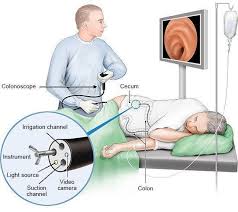
- Cancer screenings: Tests like mammograms or colonoscopies based on age and risk factors.
- Immunizations: Staying up to date on shots for flu, tetanus, and other preventable illnesses.
- Health counseling: Discussions about smoking cessation, weight management, and mental health.
Effective prevention relies on patient participation and regular monitoring. Small adjustments to diet or exercise can have a large impact when maintained over time. Your provider acts as a partner in setting realistic goals for better health. This collaborative effort leads to better outcomes and a higher quality of life.
Schedule an Appointment
Taking charge of your health begins with a simple phone call or online booking. Do not wait for symptoms to appear before establishing a relationship with a provider. Contact a local clinic today to set up an initial consultation or your annual wellness visit. The medical team is ready to support you toward lasting health and stability.