What To Do Immediately After an Animal Bite
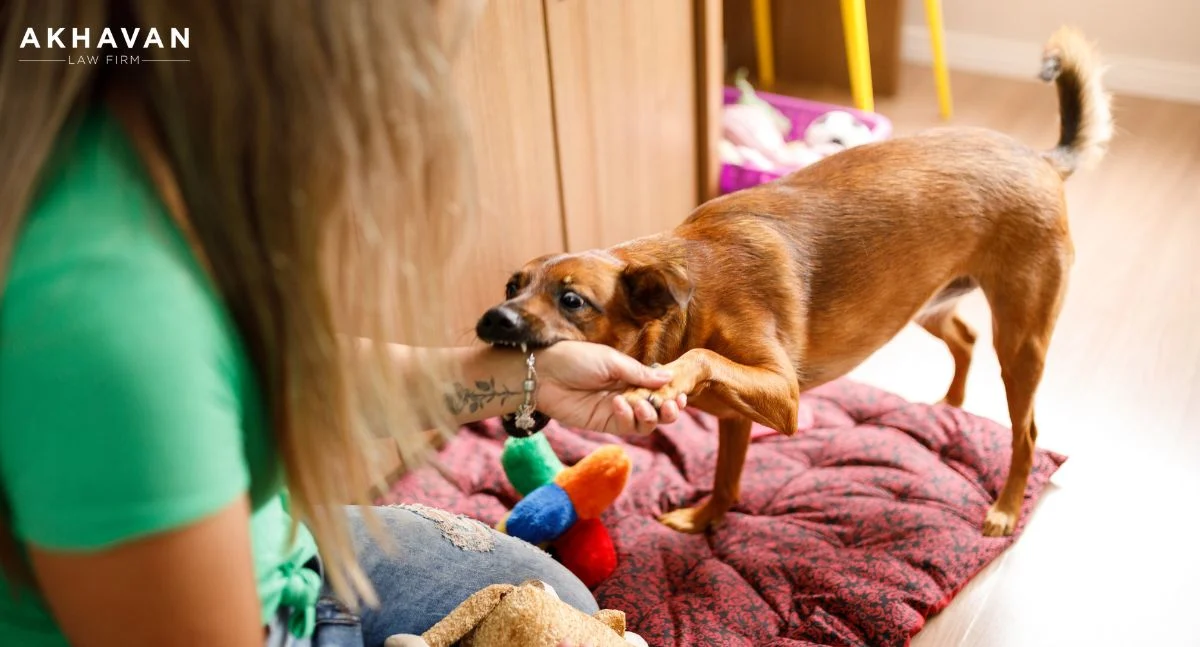
Animal bites happen unexpectedly, and they typically cause pain and confusion for the victim. Timing matters, but knowing the correct steps helps you manage the situation effectively. While many bites are minor, some require professional medical attention to prevent serious infections or complications. This is what to do immediately after an animal bite:
Clean Wound
After an animal bite, cleaning the wound thoroughly may significantly reduce the risk of bacterial infection. Wash the area with mild soap and warm water, and be careful not to break the skin. Bacteria from animal saliva enter the bloodstream easily through broken skin. Take these steps:
- Rinse the wound immediately under running water to remove dirt and saliva.
- Use mild soap and warm water to thoroughly cleanse the area.
- Avoid scrubbing the wound aggressively to prevent further irritation.
- Pat the wound dry gently with a clean cloth or sterile gauze.
- Apply an antiseptic or antibacterial ointment to help prevent infection.
After you have carefully washed and dried the injury, apply an antibiotic ointment. Covering the wound with a sterile bandage protects it from dirt, and it may prevent further irritation. Change the dressing daily or whenever it becomes wet or dirty.
Seek Immediate Medical Care
You need to assess the severity of the bite immediately after it occurs. If the animal was wild or unknown, a doctor must check for rabies risks. Wild animals may carry diseases, and you could face risks if you ignore the injury.
You must stop any bleeding by applying direct pressure with a clean, dry cloth. Keep the injured area elevated if possible, as this reduces blood flow to the wound. Severe bleeding requires urgent help at an emergency room or urgent care center.
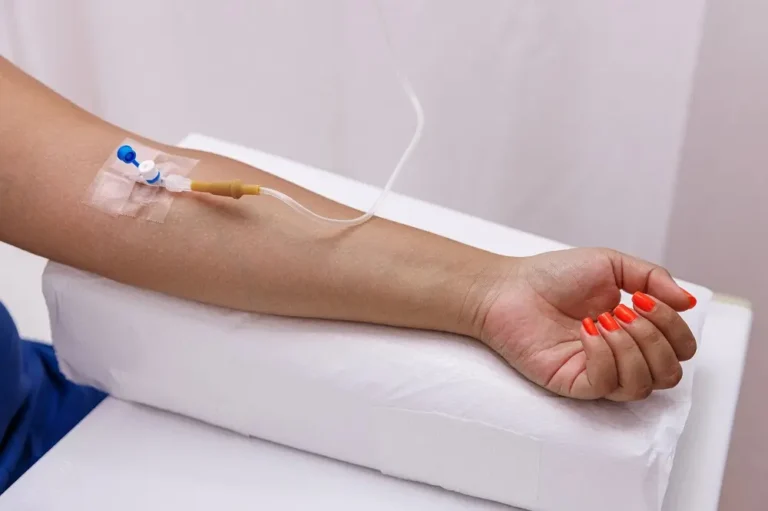
If you cannot stop the bleeding quickly or if the wound is deep, call 911 or get emergency care. Emergency responders have the training needed to stabilize traumatic injuries, and they can do this before you reach the hospital. Do not wait to see if the symptoms worsen on their own.
Get the Wound Evaluated
A healthcare provider can examine the injury, and they can help determine the extent of tissue damage. They look for signs of nerve damage or tendon involvement, which complicates the healing process. You might need X-rays if the bite was powerful enough to fracture a bone.
The doctor may ask questions about the animal that bit you, and they may request your immunization history. Provide details about the animal’s behavior, as this information guides your treatment plan effectively. Your tetanus shot status may determine if you need a booster shot right away.
Take Antibiotics or Medications
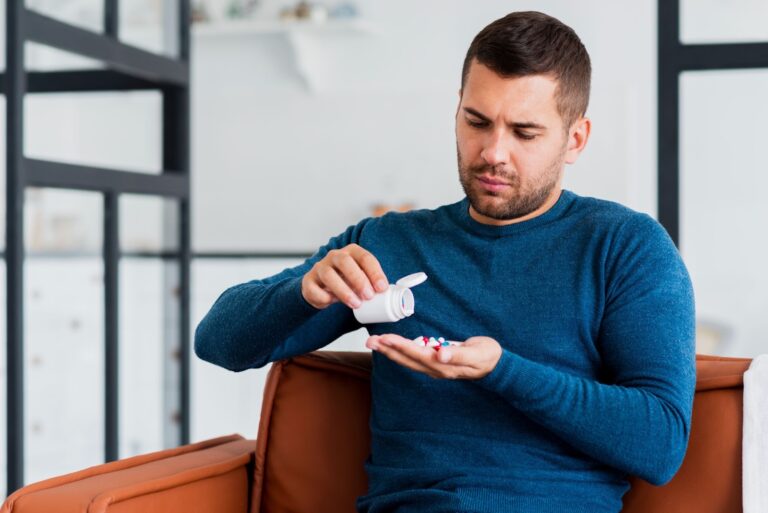
Doctors prescribe antibiotics, and these help fight potential infections that develop after animal bites. You must finish the full course of medication, even if the wound looks better. Infection spreads quickly if bacteria remain in the tissue.
Over-the-counter pain relievers help manage the discomfort that accompanies the healing process. Acetaminophen or ibuprofen is used to reduce swelling and pain, but check with your doctor first. Some bites require stronger pain management strategies depending on their location, and antibiotics might include:
- Amoxicillin-clavulanate
- Doxycycline
- Metronidazole
- Cefuroxime
Get Treated for Animal Bites
Prompt action prevents complications and promotes better healing outcomes for animal bite victims. You protect your health when you treat even minor scratches with seriousness and care. While you need to act quickly, following these steps gives you control over your recovery. If you or a loved one has suffered a bite, visit your nearest urgent care immediately.