
What You Need To Know About Family Planning
Family planning enables individuals to decide if and when to have children; this broad term encompasses various contraceptive methods and reproductive health management used by women and men worldwide. The practice of family planning includes barrier methods, hormonal options, and long-acting reversible contraception. Here is more information about family planning and the various options you can choose:
Understanding Barrier Methods
One common method of birth control is barrier methods, which prevent sperm from reaching the egg. This form of family planning works physically rather than chemically. Condoms are one type of barrier contraception, and they protect against sexually transmitted infections, or STIs. Diaphragms and cervical caps block sperm entry into the uterus; because spermicide damages sperm, it boosts the effectiveness of these barrier methods when used together. For barrier methods to be effective, they must be used every time you have sex.
Many individuals choose condoms because they are easily accessible. They require no prescription, so you can purchase them at most drugstores. While male condoms fit over the penis, female condoms fit inside the vagina. Latex is the most common material. Non-latex options exist for those with allergies.
Exploring Hormonal Options
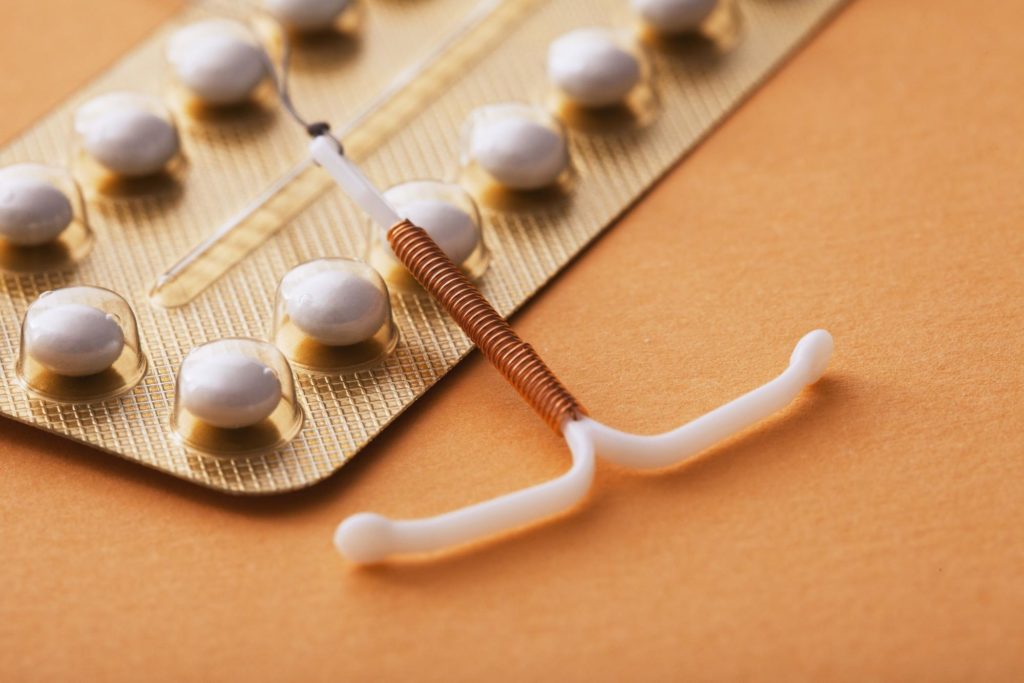
Hormonal birth control uses synthetic hormones to prevent pregnancy. These hormones stop ovulation, or they thicken cervical mucus to block sperm. Birth control pills are one way to take these hormones, but the patch and the ring are also available. The pill requires daily intake, and it is 99% effective when taken correctly.
Common hormonal methods include:
- Oral contraceptive pill
- Vaginal ring
- Skin patch
- Injection
Because a healthcare provider must prescribe them, discuss your medical history first. Certain medical conditions might make these options unsuitable, and your doctor can recommend viable options. The hormones may regulate menstrual cycles, and they can reduce cramps for some users. These methods do not protect against STIs.
Choosing Long-term Solutions
Long-acting reversible contraception offers pregnancy prevention for years. Intrauterine devices, or IUDs, are small, T-shaped devices inserted into the uterus. Some IUDs contain hormones, but others use copper to prevent fertilization. Another option is the implant, which sits under the skin of the upper arm.
Doctors insert these devices during an office visit, and you can ask your provider for details about the procedure for your chosen method. Once the device is in place, you do not need to do anything different daily or monthly. Implants and IUDs are almost 100% effective at preventing pregnancy.
Using Emergency Contraception
Emergency contraception provides protection against pregnancy if primary birth control methods fail or were not used. To be effective, this treatment must be utilized within 120 hours, or five days, of having unprotected sexual intercourse. The morning after pill works by temporarily delaying ovulation, and it cannot prevent pregnancy if ovulation has already occurred. Alternatively, having a healthcare provider insert a copper or progestin-containing IUD within that five-day window is the most effective emergency contraception option available.
Learn More About Family Planning
Family planning methods include barrier methods and hormonal options, and there are also long-acting solutions. If a primary birth control method fails, an emergency contraceptive may help prevent pregnancy. To learn more about family planning methods, consult a women’s healthcare provider near you.