Understanding the Tattoo Removal Process and Its Effectiveness
Tattoo removal is a specialized process that safely fades or eliminates unwanted ink while protecting the surrounding skin. Tattoo pigments sit at different depths and vary in color, density, and composition, so results are not one-size-fits-all. Effectiveness also depends on factors such as ink type, skin tone, tattoo age, and the method used. Here is what to know about the tattoo removal process and its effectiveness:
How Does a Removal Work?
When you get a tattoo, needles deposit ink into the dermis, which is the deeper layer of your skin. Your body’s immune system recognizes these ink particles as foreign objects and tries to remove them. The ink particles are too large for the white blood cells to carry away, so the ink stays trapped in the dermis.
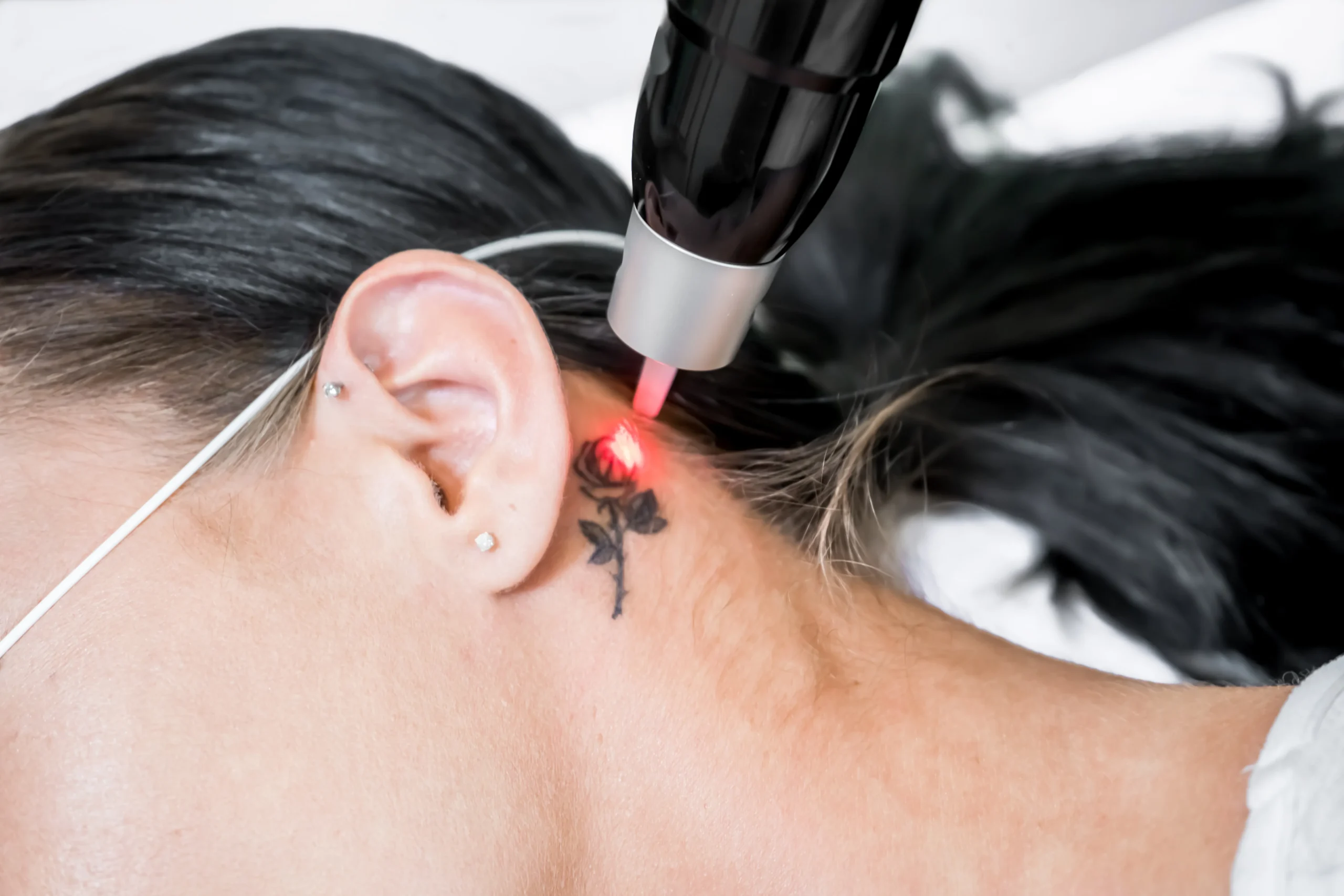
Laser tattoo removal works by assisting the immune system in this natural process. The laser device emits pulses of focused light energy that penetrate the skin. When this energy hits the tattoo ink, the pigment absorbs the light and heats up instantly. This causes large ink particles to shatter into tiny fragments, allowing the body’s immune system to flush them away through the lymphatic system.
What Affects Results?
Several variables determine the effectiveness of laser treatment and the number of sessions required. While technology has advanced, individual results vary based on the tattoo’s specific characteristics and the patient’s skin type. Here are key factors that may affect results:
- Ink Color: Darker colors, such as black and blue, absorb laser energy well and are generally easiest to remove, while lighter colors, such as yellow or green, may require specific wavelengths.
- Skin Tone: The contrast between ink and skin matters; lasers must target pigment without damaging the surrounding skin, which is challenging for darker skin tones.
- Age of the Tattoo: Older tattoos often fade more quickly than newer ones because the body has already broken down some of the pigment over time.
- Ink Depth and Density: Professional tattoos penetrate deeper and have higher ink density than amateur tattoos, which often means they require more sessions to clear.
- Immune System Health: A healthy immune system helps speed up the fading process.
Understanding these factors can help set realistic expectations and guide individuals in making informed decisions about their tattoo removal process.
What Happens in Each Step?
Removing a tattoo requires multiple treatments rather than a single visit. Each session progressively removes ink until the design is no longer visible. Here is what you can expect:
- Consultation: A specialist evaluates the tattoo’s size, age, and color to determine the appropriate laser settings and estimated number of sessions.
- Preparation: The area is cleaned, and a topical numbing agent is often applied to reduce discomfort during the procedure.
- Laser Application: The provider passes a handheld laser device over the skin, delivering energy pulses that target pigment.
- Post-Treatment Care: An ointment is applied to soothe the area, and the skin is covered to prevent infection as it heals.
- Recovery and Repeat: The skin needs time to heal and flush out the ink, so sessions are spaced several weeks apart to allow for full recovery.
With consistency and proper aftercare, the tattoo removal process can effectively and safely reduce unwanted tattoos over time.
Book Your Tattoo Removal Appointment
Removing a tattoo is a process that requires professional care. Advanced laser technology enables specialists to break down ink particles effectively, allowing your body to clear them naturally. If you are ready to remove a tattoo, contact a qualified dermatologist near you to book your tattoo removal appointment today.