Understanding the Impact of Hormonal Changes on Women’s Health
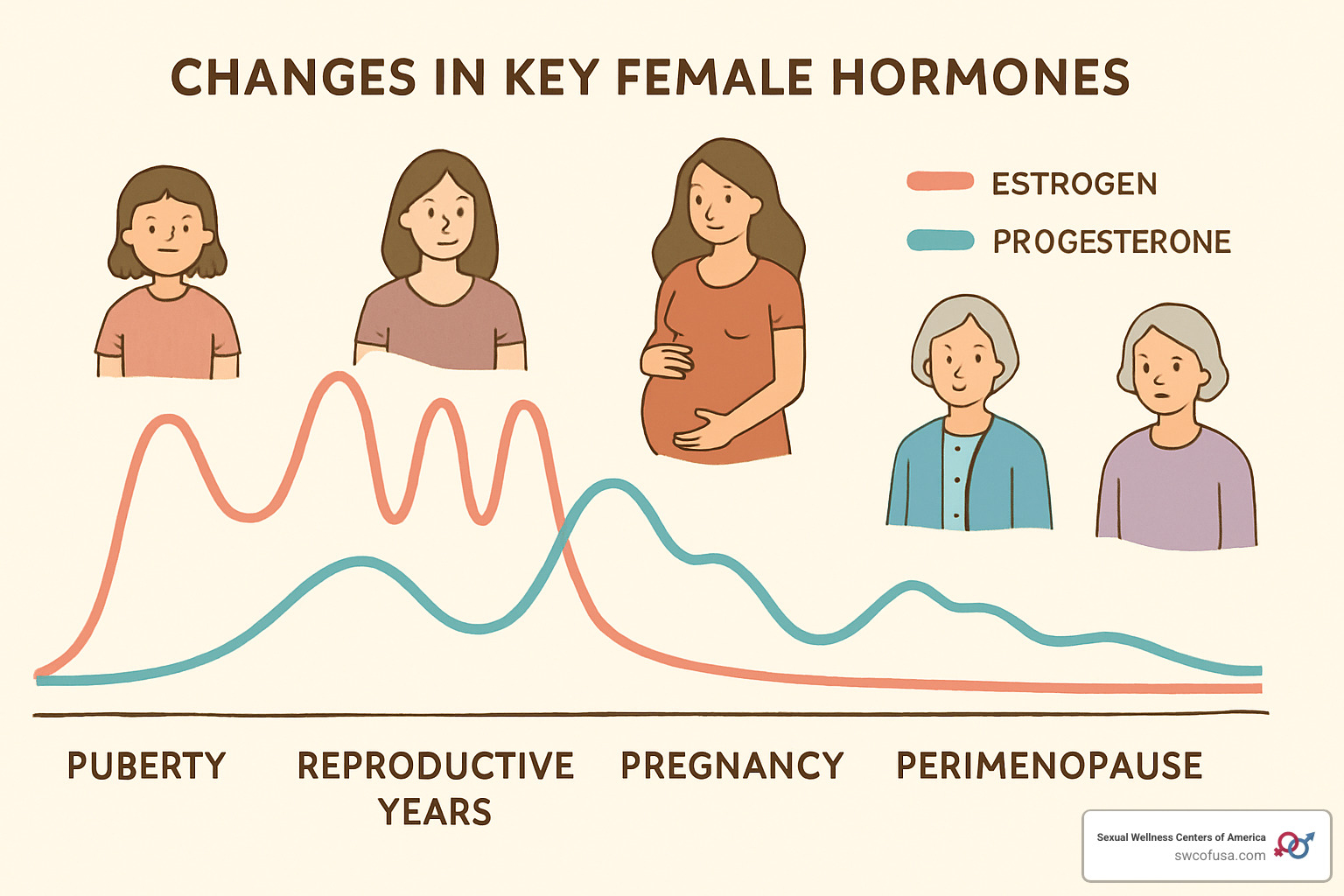
Women’s health encompasses a wide range of factors, and hormonal shifts can determine how the body functions daily. Because these chemical messengers regulate metabolism and reproduction, their fluctuation affects overall wellness. You might notice subtle changes in energy, or you may experience significant physical symptoms. Here is more information on the impact of hormonal changes on women’s health:
Irregular Periods
Menstrual cycles typically follow a predictable monthly pattern in women. When estrogen and progesterone levels become unbalanced, the cycle length varies significantly. You might skip a month entirely, or the bleeding may become unusually heavy. Blood tests reveal imbalances that might explain the symptoms you currently experience.
If the thyroid gland isn’t performing correcting, it disrupts the reproductive system’s regular schedule. This disruption is a sign of a hormonal imbalance that women might ignore. Tracking your cycle dates helps identify these issues early on. Other factors also contribute to cycle irregularity:
- Polycystic ovary syndrome (PCOS)
- Extreme stress or physical exertion
- Significant weight fluctuations
Infertility-related Problems
Women may struggle to conceive because hormonal signals fail to trigger ovulation. If an egg isn’t released, fertilization becomes impossible regardless of other factors. Doctors test hormone levels, and this helps them locate where the disconnect occurs in the process.
Hormone surges typically signal the ovaries to release a mature egg. When this surge is absent or weak, ovulation does not happen as expected. Infertility treatments typically focus on regulating these specific chemical triggers that impact women’s health. Treatment plans vary based on individual needs and specific hormonal deficiencies found during testing.
Periodic Acne
Skin conditions reflect internal hormonal activity rather than just external hygiene habits. Imbalances stimulate oil glands, which leads to clogged pores and bacterial growth. You see these breakouts typically along the jawline or chin area.
These flare-ups usually coincide with specific phases of the menstrual cycle. If estrogen drops before menstruation, testosterone’s effect on the skin may become more pronounced. This shift creates an environment where acne thrives, and skincare efforts may not be enough.
Treatment requires addressing the internal hormonal root rather than just the surface symptoms. Topical creams treat the blemish, but they do not stop the hormonal cause. Consulting a dermatologist provides options for managing these skin issues, and they can occur in cycles.
Increased Weight
Unexplained weight gain often points to an underlying hormonal disruption within the body. Cortisol also plays a major role in how the body manages fat storage. Thyroid hormones affect your metabolism and how you burn calories. When these levels drop, your body may burn fewer calories at rest throughout the day. Weight loss becomes challenging even when you restrict calories and exercise regularly.
Find Women’s Health Services Today
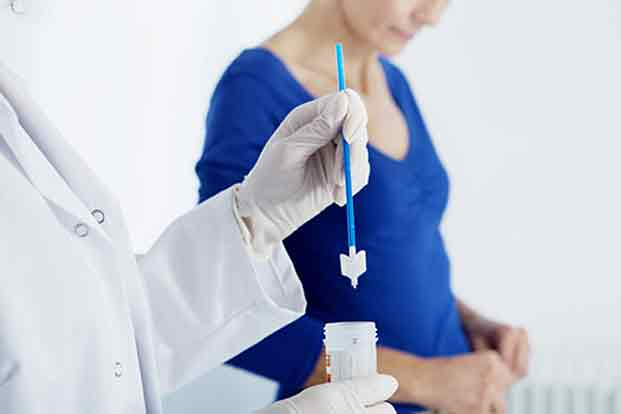
Regular check-ups allow medical professionals to monitor your hormone levels effectively over time, as you gain clarity on your health when you understand the data. Acting early prevents minor issues from developing into more complex health problems. Schedule an appointment with a healthcare provider to discuss your specific symptoms and concerns, and they will guide you toward appropriate testing and personalized management strategies. Take the first step toward understanding your body’s hormonal health today.