
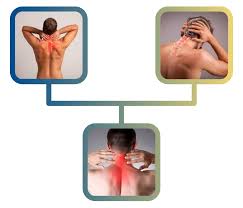
The Role of Radio Frequency Ablation in Treating Joint Pain
Managing persistent joint pain can be complex. For those exploring different approaches, understanding the available options is a helpful step. One procedure used in pain management is radio frequency ablation, which addresses pain signals at their source. This method provides an alternative for individuals dealing with chronic joint discomfort.
What Is Radio Frequency Ablation?
Radio frequency ablation is a procedure that uses an electrical current to heat a small area of nerve tissue. This process disrupts the nerve’s ability to send pain signals from a specific location to the brain. A specialist uses imaging guidance, like fluoroscopy, to place a thin needle accurately at the targeted nerve.
Once the needle is in the correct position, a microelectrode is inserted through it. A low-voltage radiofrequency current then passes through the electrode. This creates a carefully controlled heat lesion on the nerve, interrupting the pain messages it transmits. The procedure is typically performed on an outpatient basis.
How Does It Treat Joint Pain?
This procedure addresses joint pain by targeting the specific nerves that carry pain signals from the affected joint. Before the ablation, a diagnostic nerve block will usually confirm that the targeted nerve is the source of the pain. If the block provides temporary relief, it indicates that radio frequency ablation may be a suitable next step.
The process involves several key actions:
- Nerve Identification: A specialist uses imaging to pinpoint the sensory nerves responsible for transmitting pain from the joint.
- Needle Placement: A fine needle is guided to the precise location next to the identified nerve.
- Heat Application: An electrical current generates heat, which creates a lesion on the nerve, stopping it from sending pain signals.
By interrupting these signals, the procedure can reduce the sensation of pain originating from the joint. The relief experienced and its duration can vary from person to person. The body may eventually repair the nerve, and the pain could return over time.
Which Joint Conditions Respond?
Chronic pain associated with certain types of joint conditions, particularly those related to the spine, often responds to radio frequency ablation. It is commonly used for pain stemming from facet joints, which are the small joints located between the vertebrae. The procedure can also be applied to other joints in the body.
Some conditions where this approach might be used include:
- Chronic neck pain
- Chronic back pain
- Spondylosis (spinal arthritis)
- Sacroiliac joint pain
- Knee arthritis pain
- Hip joint pain
A thorough evaluation by a qualified medical professional is necessary to determine if a specific joint condition is a good candidate for this procedure. The assessment helps identify the exact source of the pain and clarifies the potential outcomes.
Consult a Specialist
Understanding if this treatment is right for you begins with a conversation with a pain management specialist. A specialist can conduct a comprehensive evaluation of your joint pain and medical history. They will discuss the potential benefits and risks associated with the procedure. You can work together to create a personalized pain management plan that aligns with your health needs. Schedule a consultation to explore your options and get answers to your questions.