
Rehabilitation Exercises for Strengthening the Knee
Recovering from a knee injury or managing knee pain requires a structured approach to building strength and restoring function. Gentle, targeted exercises are essential for supporting the knee joint and relieving discomfort.
This guide explains effective exercises that target the main muscle groups around the knee, providing a supportive framework for your rehabilitation journey. Learning how to strengthen these muscles safely is key to increasing mobility and confidence, especially if you experience knee pain.
Significance of Knee Strengthening
The knee is a complex joint that depends on nearby muscles for support and stability. Strengthening these muscles helps absorb shock and reduce stress on the knee, which lessens pain. Building strength in the quadriceps, hamstrings, glutes, and calves keeps your knee aligned and working well. Muscular support is fundamental for daily movement. A stable knee provides greater comfort and resilience in daily life, particularly for those managing knee pain.
Safety Before Starting
Always talk with a healthcare professional or physical therapist before starting any new exercise program, particularly if you have ongoing knee pain. They will help you choose exercises suited to your needs.
Start each exercise slowly, paying attention to how your knee responds. Muscle fatigue is common, but do not continue if you feel sharp or increasing discomfort. If an exercise causes lasting pain, stop immediately. Always use proper form to limit strain, avoid injury, and support joint health.
Quadriceps Strengthening Exercises
Strong quadriceps at the front of your thigh help stabilize the kneecap and reduce knee instability. Try the straight leg raise: lie on your back, bend one leg, keep the other straight, and lift the straight leg about a foot off the floor. Hold for a few seconds, then lower it gently. The wall sit is another helpful exercise; slide down a wall until your knees are nearly at a right angle and hold, stopping if you feel pain increase.
Hamstring Strengthening Exercises
The hamstrings on the back of your thigh work alongside the quadriceps to support the knee. Try standing hamstring curls while holding a chair. Bend your knee and raise your heel towards your glute. Glute bridges are also useful; they will help relieve discomfort caused by weak hamstrings. Lie on your back with your knees bent and your feet flat, then slowly lift your hips. Adjust movement if you notice pain during these exercises.
Hip and Glute Strengthening
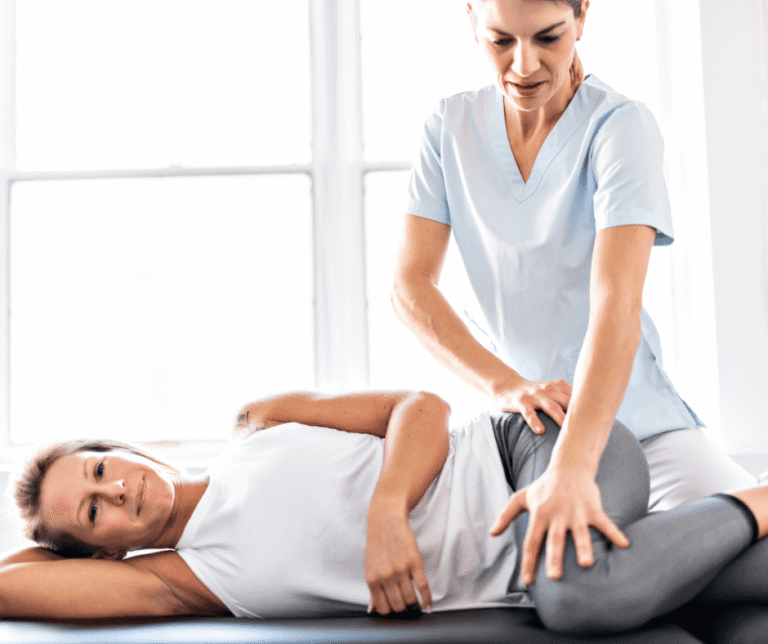
Hips and glutes provide the knee joint with a strong base and help prevent discomfort. Weakness in these areas may lead to poor alignment and recurring pain. Exercises like clamshells strengthen the outer hip and may relieve stress on the knee. Lie on your side, bend your knees, stack them, and lift your top knee while keeping your feet together. Side leg raises also target these stabilizing muscles.
Calf Strengthening for Knee Pain
Calf muscles help stabilize the knee and support recovery. It raises strengthen these muscles. Stand flat on the floor, lift onto your toes, hold, and then lower your heels. Use a chair or wall for balance if needed. Stronger calves provide additional support, making movement easier and reducing discomfort over time.
Balance and Stability Training
Improved balance helps you control your knee position and reduce instability-related problems. Practice single-leg stands to focus on stability and confidence in your movements. Hold a stable surface for support and stand on one leg for 30 seconds, staying alert for pain.
Letting go or closing your eyes to increase the challenge, but remain aware of how your knee feels. These movements train the nerves and muscles to work together, helping protect the knee from future injury and discomfort.
Book Your Rehabilitation Exercises Today
A structured exercise routine is a valuable part of knee rehabilitation and helps address knee pain by improving strength and joint function. Focusing on the quadriceps, hamstrings, hips, and calves helps reinforce knee support and lowers the chance of daily pain interfering with your activities.
Starting a new program for knee pain sometimes feels overwhelming, but working with a professional provides guidance and clarity. Reach out to an expert for professional advice on an exercise plan designed to support your recovery and manage knee pain effectively.