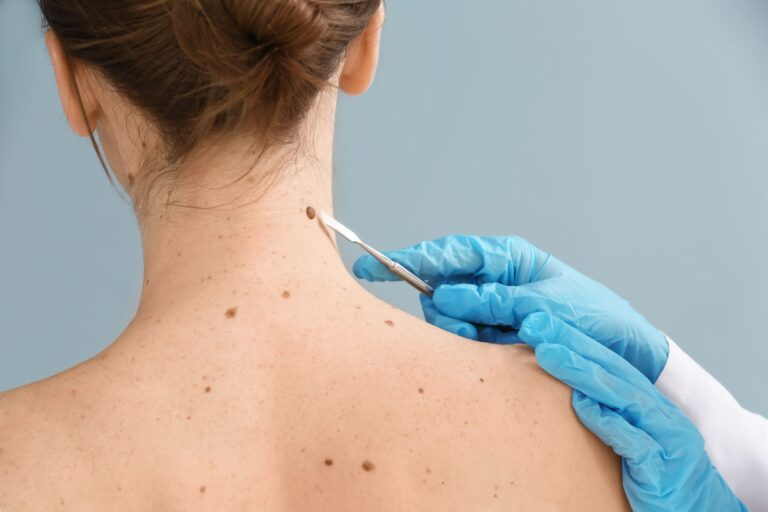

The Importance of Regular Dermatology Check-Ups for Skin Health
Your skin is your body’s largest organ, and changes in its appearance can sometimes be the earliest sign of irritation, infection, or serious concerns. Regular dermatology check-ups support long-term skin health by helping you monitor moles and spots, manage chronic conditions, and address concerns before they become harder to treat. Here’s more information on the need for regular dermatology check-ups:
Detecting Issues Early
A primary goal of a dermatology skin exam is to identify abnormal cell growth or other dermatological conditions. The following are specific conditions that doctors frequently identify during routine examinations:
- Skin Cancer: Early detection is key because skin cancer is often curable when treated before it spreads to other parts of the body.
- Precancerous Lesions: Doctors look for actinic keratosis, which are rough, scaly patches caused by years of sun exposure.
- Acne and Rosacea: Untreated acne can lead to permanent scarring, and rosacea can worsen over time without management.
- Eczema and Psoriasis: Chronic skin conditions like eczema and psoriasis require ongoing management to control flare-ups and maintain comfort.
- Mole Changes: A key part of the exam requires monitoring existing moles for asymmetry, border irregularity, color changes, or growth.
Identifying these issues early allows for less invasive treatment options.
Prioritizing Regular Visits
While everyone benefits from skin exams, certain individuals have a higher risk profile and should contemplate more frequent visits. People with fair skin that burns easily have a higher susceptibility to sun damage and skin cancer. Individuals with a history of excessive sun exposure or childhood blistering sunburns fall into a higher-risk category. Genetics also plays a role, and those with a family history of skin cancer should be consistent with scheduling appointments. The general recommendation for most adults is to undergo a full-body skin exam once a year. A dermatology specialist may suggest a different schedule based on your personal health history.
Understanding the Check-Up
The dermatology check-up is a visual inspection in which the doctor systematically examines the skin surface. Here are the typical steps involved in a standard dermatology examination:
- Medical History Review: The visit usually begins with a discussion about your medical history, sun exposure habits, and any specific concerns you have noticed.
- The Visual Exam: You will change into a medical gown, and the doctor will examine your skin from head to toe.
- Dermoscopy: The specialist may use a dermatoscope, a handheld device that magnifies the skin and uses light to provide a clearer view of lesions.
- Biopsy: If the doctor finds a suspicious lesion, they may remove a small skin sample for microscopic analysis during the visit.
The exam provides the doctor with the information needed to assess your skin health.
Maximizing Your Dermatology Check-Ups
Preparation is a helpful way to maximize the effectiveness of your time with the doctor. You should perform a self-exam at home prior to your visit to identify any specific areas of concern. Write down notes about when you first noticed a spot or if it has changed over time. This information assists the dermatology specialist in their assessment and diagnosis.
Make sure to remove all nail polish from your fingers and toes before arriving at the office. Skin cancer can develop in the nail beds, and polish obstructs the doctor’s view of this tissue. Avoid wearing makeup or heavy moisturizers to the appointment. The dermatology specialist needs a clear, unobstructed view of your skin to provide an accurate evaluation.
Schedule Your Dermatology Appointment Now
Your skin reflects your overall health, and protecting it requires professional oversight. Regular visits to a dermatology specialist are key to the early detection of skin cancer and the management of chronic conditions. Contact a qualified dermatologist in your area to schedule your check-up today.