Services a Surgeon Provides
A general surgeon is a trained specialist with a broad understanding of health conditions. Their expertise includes diagnosing illnesses and managing patient care before, during, and after surgery. General surgeons treat a variety of health conditions, and they often work as part of a larger medical team to provide comprehensive care. Their role is central to treating many common and complex health issues that require surgical intervention. Here’s information on general surgeons and what services they offer:
Diagnosing Health Conditions
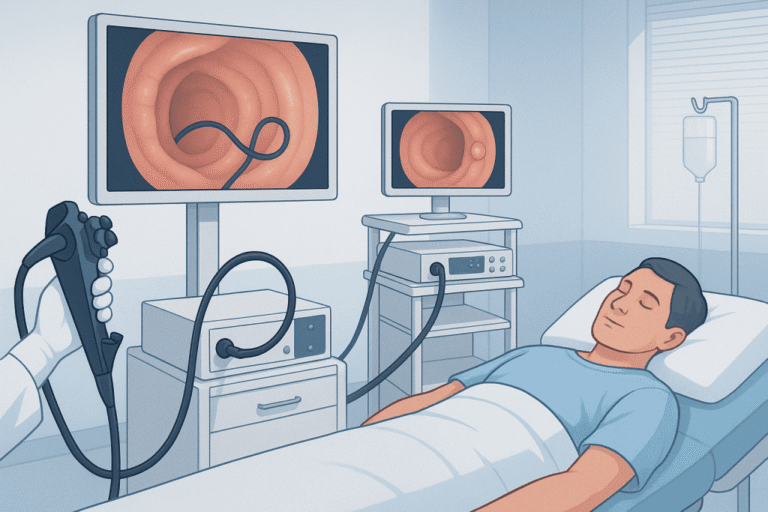
General surgeons rely on a combination of clinical expertise, diagnostic tools, and patient history to identify health conditions. They perform thorough physical examinations and utilize advanced imaging to assess the nature and severity of a condition. Laboratory tests, including bloodwork and tissue biopsies, may also be used to confirm diagnoses. By integrating this information, surgeons can formulate an accurate and individualized treatment plan for their patients. Surgery is not always recommended first, as more conservative treatments may improve health conditions with less invasive options.
Preoperative and Operative Care
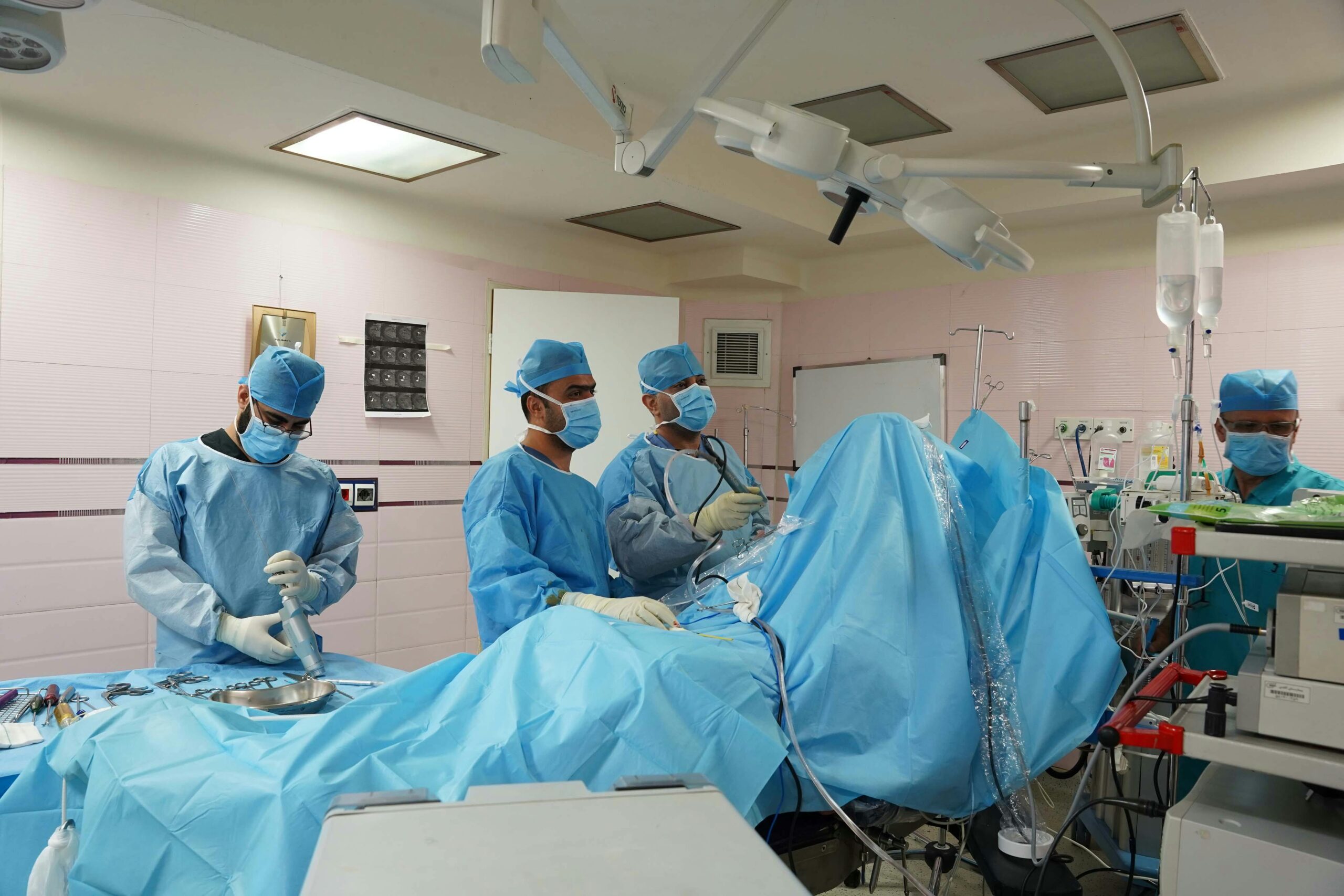
Before surgery, general surgeons verify that the patient is fully prepared for the procedure. This phase includes explaining the surgical process, addressing any risks or concerns, and obtaining informed consent from the patient. Surgeons collaborate with anesthesiologists and other specialists to develop a tailored anesthesia and perioperative management plan, minimizing potential complications. During surgery, surgeons use sterile techniques and advanced surgical equipment to minimize the risk of infection and perform the procedure effectively. They continuously monitor the patient’s vital signs during surgery, and when unexpected challenges occur, the surgeon can adjust as needed.
Postoperative Care
After surgery, the focus shifts to recovery and proper healing. General surgeons provide detailed instructions on wound care, pain management, and activity restrictions to facilitate a smooth recovery. They closely monitor patients for any signs of complications, like infection, through follow-up appointments and regular check-ins. Surgeons guide rehabilitation efforts and adjust treatment plans, as they provide attentive care to promote positive health outcomes.
Managing Upper Gastrointestinal Tract Conditions
The upper gastrointestinal (GI) tract includes the esophagus, stomach, and the initial portion of the small intestine. General surgeons address a number of conditions in this area. Gastroesophageal reflux disease (GERD) is a condition where stomach acid frequently flows back into the esophagus. Many cases are managed with lifestyle changes and medication, but surgery may be recommended for more complicated cases. One common surgical procedure is a Nissen fundoplication, which involves wrapping the top of the stomach around the lower esophagus to strengthen the valve between them.
General surgeons also perform procedures on the small intestine and colon to address a range of issues. Conditions such as bowel obstructions, diverticulitis, or tumors may require surgical removal of a portion of the intestine. The surgeon removes the affected section, and then the two healthy ends are reconnected to restore normal bowel function. These procedures can be performed using open surgery or minimally invasive laparoscopic techniques, depending on the situation.
Managing Biliary Tract Conditions
The biliary tract consists of the gallbladder and bile ducts, which are fundamental for digestion. A common issue affecting this system is gallstone formation. When gallstones cause symptoms like pain or inflammation, a surgeon may recommend a cholecystectomy to remove the gallbladder. Cholecystectomies are one of the most commonly performed surgeries. Most cholecystectomies are done laparoscopically, which involves small incisions and a camera to guide the surgery, but open surgery may be necessary in certain cases.
Learn More About General Surgeons Today
General surgeons possess a diverse skill set that allows them to treat medical conditions across multiple organ systems. From the digestive tract to the endocrine glands, their work is fundamental to patient health and well-being. To learn more about their services, schedule a consultation with a surgeon. Don’t wait for symptoms to develop before establishing a provider; schedule an appointment today.