
Customizing Hormone Replacement Therapy for Individual Needs
Customizing Hormone Replacement Therapy for Individual Needs
Hormone replacement therapy (HRT) offers medical support for individuals experiencing hormonal imbalances or deficiencies. Because individual bodies react differently to hormonal shifts, medical professionals emphasize the importance of customization in treatment plans. Understanding what therapy is, the options, and the results helps individuals make informed decisions.
Defining Hormone Replacement Therapy
Menopause brings significant physiological changes, and many women seek treatments to alleviate these specific symptoms. While the experience of menopause is universal for women, the severity and type of symptoms vary from person to person. Hormone replacement therapy is a medical treatment that replenishes hormones the body no longer produces in sufficient quantities. The ovaries gradually decrease their production of estrogen and progesterone during menopause, but HRT supplements these declining levels to maintain balance. This therapeutic approach utilizes either bioidentical hormones or synthetic hormones, and the choice depends on patient preference and medical advice.
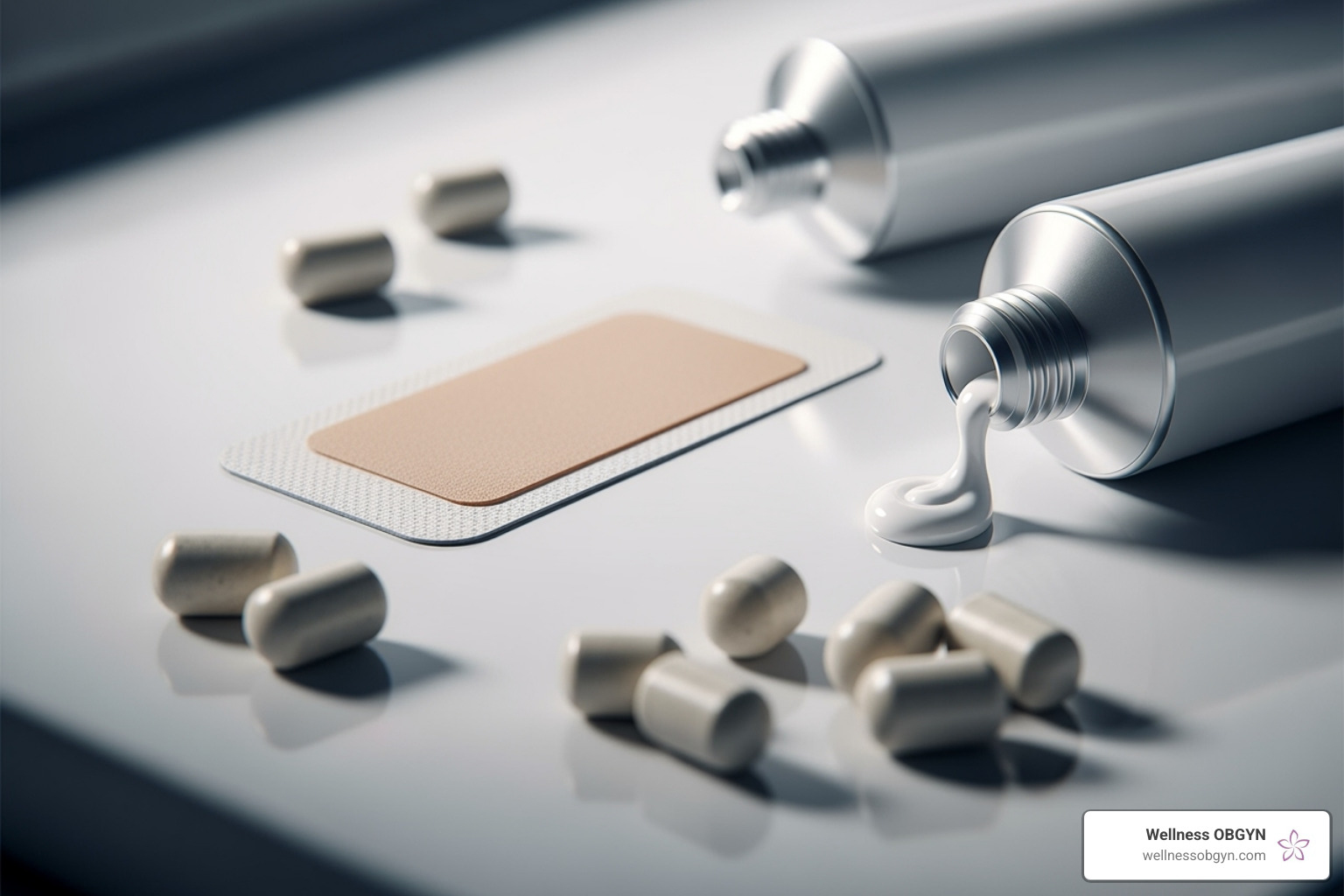
Bioidentical hormones share an identical molecular structure with human hormones, which some practitioners believe allows for better absorption and fewer side effects. Doctors prescribe these treatments in various forms, including pills, patches, creams, or pellets. Each method offers distinct advantages, and patients should discuss these options thoroughly with a healthcare provider. The primary goal remains the restoration of hormonal equilibrium to improve quality of life.
Considering Options
Patients often consider hormone replacement therapy when menopausal symptoms begin to interfere with their daily activities and overall well-being. Hot flashes and night sweats are common indications for treatment, but sleep disturbances and mood swings also prompt many to seek help. A healthcare provider will evaluate a patient’s medical history before recommending a specific course of action, as certain conditions may preclude the use of HRT. Women who experience vaginal dryness or discomfort during intercourse might find localized estrogen therapy particularly beneficial. Although lifestyle changes can mitigate mild symptoms, moderate to severe symptoms usually require medical intervention for effective relief. The decision involves weighing the potential benefits against the risks, and this calculation differs for every individual. Persistent fatigue or cognitive fog can also signal a need for hormonal evaluation.
Observing Results
Patients naturally wonder how quickly they will notice improvements after starting their prescribed regimen. Some individuals report relief from hot flashes and night sweats within a few weeks of initiating treatment, yet others may require more time for the hormones to take full effect. It is helpful to understand that the body needs time to adjust to the new hormonal levels. Full benefits regarding sleep patterns and mood stabilization might take up to three months to manifest completely. Doctors monitor progress through follow-up appointments, and they adjust dosages if the initial results are unsatisfactory. Consistency in administering the medication is helpful for success, so patients adhere strictly to the prescribed schedule.
Talking to a Specialist
Customizations help treatment align effectively with an individual’s specific health requirements. The therapy addresses the root cause of menopausal discomfort by restoring hormonal levels, and it offers a viable solution for those struggling with severe symptoms. Patients should maintain open communication with their healthcare providers to optimize their results over time. Although the timeline for relief varies, the strategic application of HRT can significantly enhance daily functioning and long-term health. By understanding the nature of the therapy and setting realistic expectations, individuals can navigate menopause with greater confidence and comfort.