
Healthy Dermatology Habits for Your Skin
Dermatology is the branch of medicine dealing with the skin, hair, and nails, and it focuses on the diagnosis and treatment of conditions affecting these areas. Understanding basic skin care principles helps you build consistent, healthy habits for your daily routine. Here are some practical steps you can take to support your skin’s health:
Cleanse Skin Regularly
Washing your face removes dirt, oil, and other unwanted debris. If you wear makeup, cleansing becomes even more necessary before you go to sleep. Use a gentle cleanser and lukewarm water for ideal results; this simple act prevents clogged pores and keeps your skin feeling fresh, along with these steps:
- Wash your face once in the morning and once before bed.
- Use a cleanser suitable for your skin type.
- Avoid harsh scrubbing to prevent irritation.
- Remove makeup thoroughly using a gentle makeup remover.
- Pat your skin dry with a clean towel after washing.
Use Sun Protection
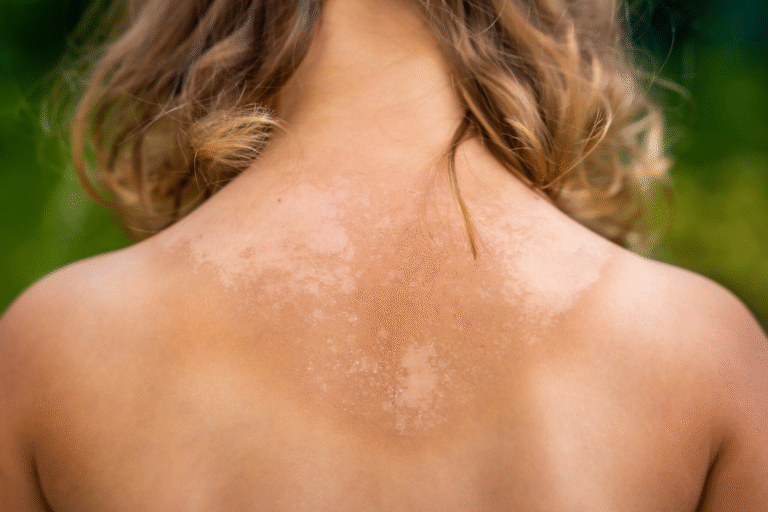
The sun emits ultraviolet (UV) radiation, which can affect your skin. You should apply a broad-spectrum sunscreen, and you can find products with adequate protection. Apply it generously to all exposed skin before going outdoors. Consistent use of sun protection is a fundamental habit in dermatology.
Reapplication is also part of a complete sun protection routine. You will need to reapply sunscreen at least every two hours, and repeat if you are swimming or sweating. This practice helps maintain a protective barrier against UV rays throughout the day.
Additional measures offer more protection from the sun’s rays, and you can wear protective clothing, such as long-sleeved shirts and wide-brimmed hats. Seeking shade during peak sun hours also may reduce your exposure. Combining these methods provides a comprehensive approach to sun safety. Wearing sunglasses with UV protection is another effective way to shield your eyes from harmful rays.
Quit Smoking
Smoking introduces various chemicals into the body. These substances can affect your skin’s structure and appearance over time. When you smoke, blood flow to the skin is reduced, which deprives it of oxygen. This habit is linked to numerous health concerns, and the skin is not exempt from its effects.
Utilize Topicals Moderately
Topical products are applied directly to the skin, but using too much can be counterproductive. Follow the product’s instructions for application frequency and amount. Applying more than recommended does not typically lead to better or faster outcomes. Some standard topical treatments include:
- Retinoids
- Moisturizers
- Acne creams
When introducing a new product, start slowly to see how your skin reacts. A patch test can be a useful way to check for sensitivity. You apply a small amount to a discreet area before using it more widely. This approach helps you safely integrate new topicals into your routine.
Find a Dermatology Clinic
A dermatologist is a medical doctor who specializes in skin conditions. They can diagnose specific issues and create a personalized management plan. Finding a clinic is a proactive step toward addressing any skin concerns you may have. If you have questions about your skin, schedule an appointment with a local dermatology clinic to get professional guidance.