
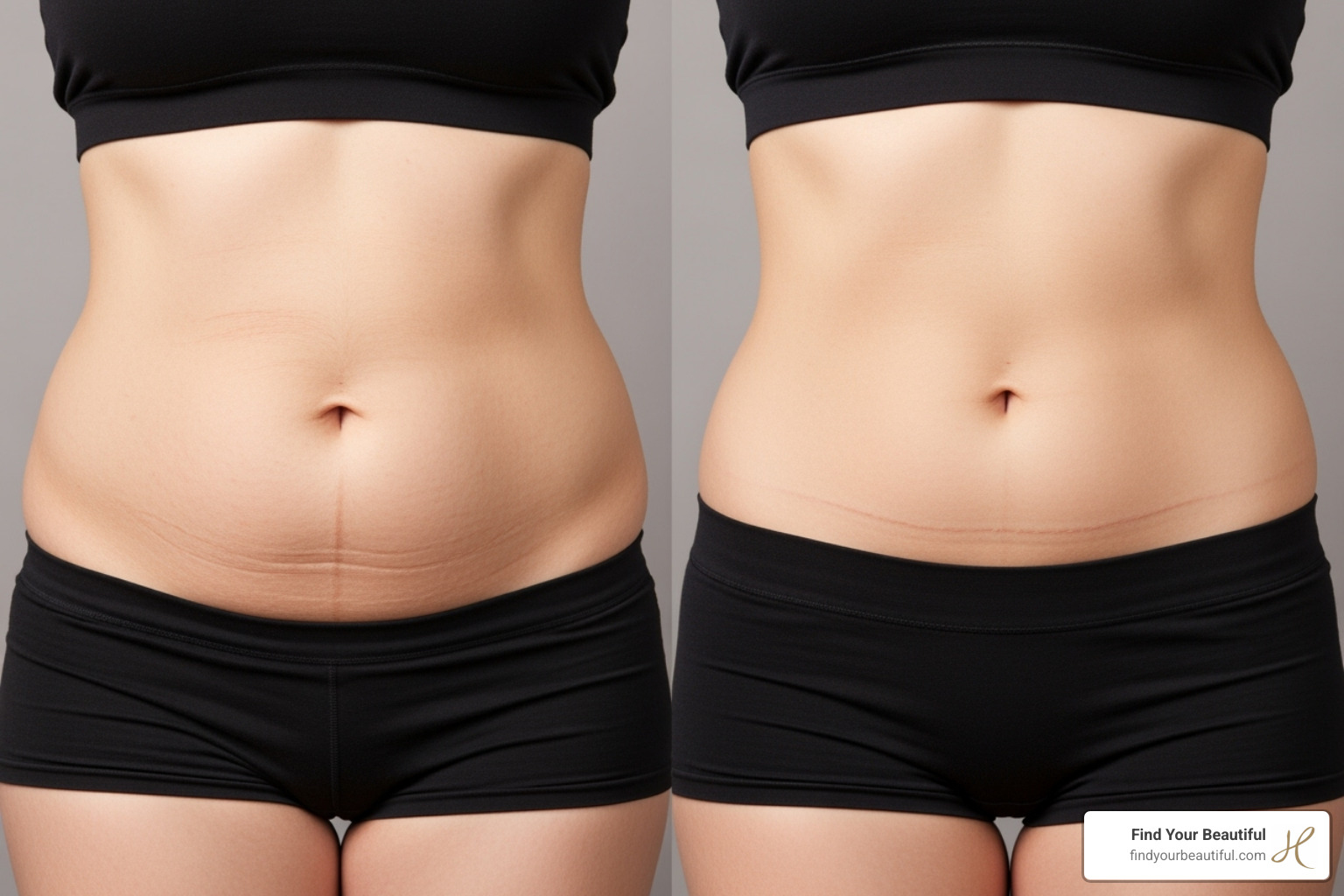
Exploring the Benefits of a Tummy Tuck
Abdominoplasty, also known as a tummy tuck, is a surgical procedure that reshapes the abdominal area. Diet and exercise help control weight, but they may fail to address loose skin or weakened abdominal muscles. This surgery is an option for individuals seeking to restore a firmer, smoother abdominal profile. Here is more information on this procedure and what the process involves:
What Is a Tummy Tuck?
A tummy tuck is a major surgical procedure that removes excess skin and fat from the abdomen. There are different variations of the procedure depending on the patient’s specific anatomical needs. A full abdominoplasty involves a large incision and manipulation of the navel, while a mini tummy tuck targets only the area below the navel. The chosen technique depends on the amount of excess skin and the condition of the underlying muscles.
How Does It Work?
Surgery typically begins with an incision placed between the pubic hairline and the navel. The length and shape of the incision are determined by the amount of excess skin to be removed. Once the incision is made, the surgeon lifts the skin, and they can access the vertical muscles beneath. The surgeon then repairs the weakened or separated abdominal muscles by suturing them together.
Why Is It Conducted?
Significant weight fluctuations are a primary reason patients elect to undergo this surgery. When an individual loses a substantial amount of weight, the skin often lacks the elasticity to snap back, and it creates loose folds. Surgery removes this excess tissue, allowing the body’s contours to match the patient’s weight-loss goals.
Pregnancy also causes significant changes to the abdominal structure that exercise cannot always reverse. The abdominal muscles can separate during pregnancy, and this results in a protruding belly. Abdominoplasty may repair this separation and restore the abdominal wall’s structural integrity.
What Does the Process Involve?
Preparation for the surgery involves a comprehensive medical evaluation and a review of medical history. Patients may need to adjust their current medications or stop smoking to promote proper healing. The surgeon provides specific instructions regarding diet and hydration prior to the operation. The procedure itself is performed under general anesthesia, so the patient remains unconscious throughout the operation.
It typically takes one to five hours to complete, depending on the extent of the work required. The medical team monitors the patient’s vital signs during surgery to maintain safety standards. Recovery requires a dedicated period of rest, and follow-up appointments allow the surgeon to monitor progress and determine when it is safe to resume normal activities.
What Are the Benefits?
A primary benefit is achieving a flatter, more toned abdominal area. Clothes may fit more comfortably, and patients may report improved self-image. Removing excess skin also helps eliminate the physical discomfort caused by chafing or rashes.
The procedure offers functional medical benefits for certain patients. Tightening the abdominal muscles helps build a stronger core, and this may improve posture. A stronger core provides better support for the spine, which may alleviate certain types of back pain.
Consult a Specialist Today
Abdominoplasty provides a surgical option for correcting abdominal issues that lifestyle changes cannot address. It offers both cosmetic improvements and potential functional benefits for the abdominal wall. Schedule a consultation with a plastic surgeon to discuss your options and verify if you are a suitable candidate.