Effective Strategies for Managing Lower Back Pain
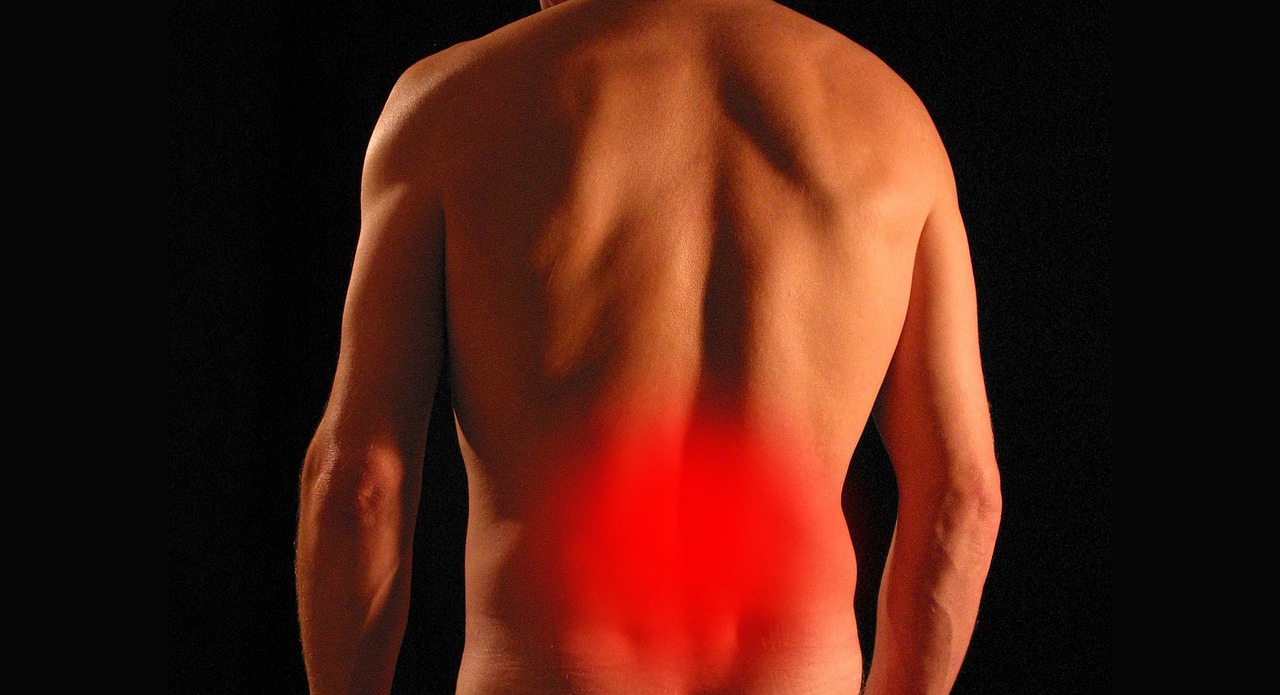
Lower back pain is a widespread condition affecting millions of people worldwide. It involves discomfort or pain in the lumbar region of the spine, which is the area between the ribs and the pelvis. Back pain ranges from a dull, constant ache to a sudden, sharp sensation that makes it difficult to move. This pain can result from various factors, including injury, activity, and certain medical conditions, and managing it effectively often requires a multifaceted approach. Here’s information on lower back pain and the strategies for managing it:
Pain Management
Lower back pain often develops from issues with the complex structure of muscles, ligaments, nerves, and bones in the back. Some common causes include muscle strains or sprains from improper lifting or sudden, awkward movements. Structural problems such as bulging or ruptured discs, sciatica, arthritis, and osteoporosis can also lead to back pain. Everyday habits, like poor posture or prolonged sitting, may contribute to or worsen a back condition over time.
Managing Your Condition
The initial step in addressing lower back pain involves identifying the cause and exploring your non-surgical management options. A healthcare provider can perform a thorough evaluation to understand the source of your discomfort, which is fundamental for developing an appropriate treatment plan. The goal of pain management is to reduce your symptoms and improve your functionality.
Managing Chronic Pain
When back pain persists for 12 weeks or longer, it is defined as chronic pain, and management strategies may become more comprehensive. Your back pain specialist will recommend a combination of treatments tailored to your specific situation, which may include:
- Medications: Over-the-counter or Prescription medications may be used to reduce pain and inflammation.
- Therapeutic Injections: Therapies like epidural steroid injections deliver medication directly to an affected area, usually to manage chronic pain.
- Lifestyle Adjustments: Hot and cold therapy, stretching, and rest are common ways to ease certain types of back pain at home.
Physical Therapy
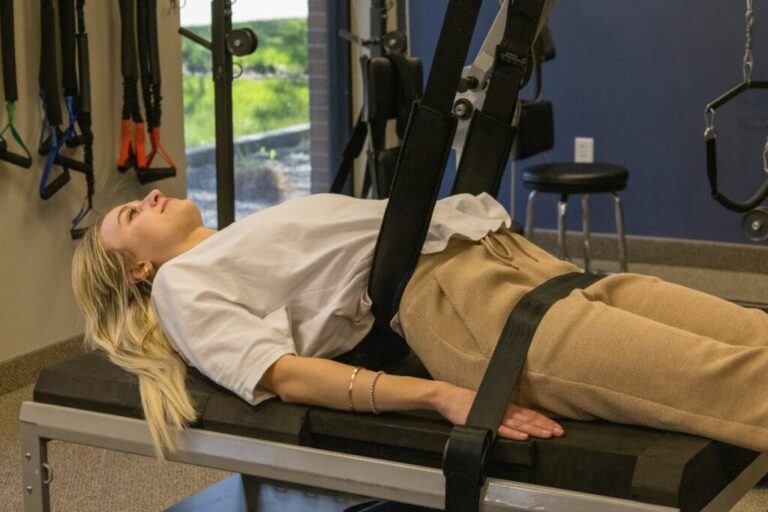
Physical therapy is a focal point of treatment for many lower back conditions, as it aims to restore function, improve mobility, and promote healing. A physical therapist designs a specific program of exercises to strengthen the core muscles that support your spine, which can help to alleviate pressure. These exercises also focus on improving your lower back’s flexibility and range of motion.
During a session, a physical therapist will evaluate your movement patterns and ask about what movements cause pain or stiffness. They will guide you through exercises and help you understand how these techniques work to improve your condition. Physical therapy exercises can often be performed at home, and your therapist will determine which ones are beneficial for you inbetween sessions.
Lumbar Surgeries
When conservative treatments do not provide sufficient relief and a specific structural cause has been identified, surgery may be recommended. The specific surgical type and technique depend on your back condition and current health. Most back surgeries are performed using minimally invasive techniques that involve small incisions and specialized instruments. This method reduces tissue damage, minimizes blood loss, and lowers the risk of infection compared to traditional open surgery. While minimally invasive techniques offer many advantages, they may not be suitable for all cases.
Spinal Decompression Surgeries
Spinal decompression surgery is performed to relieve pressure on the spinal cord or nerve roots. A common decompression procedure is a laminectomy, which involves removing a portion of the vertebral bone, called the lamina, to create more space in the spinal canal. There are three other spinal decompression surgeries:
- Discectomy: This option removes the portion of a herniated disc that is pressing on a nerve. These procedures can effectively reduce pain caused by nerve compression.
- Foraminotomy: This enlarges the space around the neural foramen, the opening through which nerve roots exit the spine. This procedure alleviates nerve compression caused by bone spurs, herniated discs, or other degenerative changes.
- Laminotomy: This involves removing a small portion of the lamina, which is the bony arch on the back of each vertebra. This procedure can also relieve pressure on nerves compressed by spinal structures.
Spinal Fusions
A spinal fusion is a surgical procedure used to permanently connect two or more vertebrae in the spine, eliminating motion between them. This is often recommended for conditions like degenerative disc disease or spondylolisthesis, where instability is a primary source of pain. During the procedure, the surgeon places bone graft material between the vertebrae, and the bones grow together into one unit. This fusion helps to stabilize the spine and reduce painful movements over time.
Schedule a Lower Back Pain Consultation
Navigating the complexities of lower back pain commonly requires professional guidance, as pain can impact other aspects of your health. If you are experiencing persistent discomfort, schedule a consultation with a pain specialist today. A thorough evaluation can determine the underlying cause of your pain and guide you toward effective treatment strategies.