
Choosing the Right Orthotics for Your Foot Structure
Orthotics are specialized shoe inserts designed to support the feet and improve body alignment. These devices are more than simple cushioned insoles. Manufacturers craft them to accommodate your specific foot shape, and they can help you manage discomfort by providing targeted support. Since different designs address different needs, understanding your unique foot structure is recommended for finding an orthotic that works.
Identify Foot Structure and Needs
Before you choose orthotics, you need a basic understanding of your feet. Key factors include your arch height and how your foot moves when you walk or run. Some feet are rigid and need cushioning, while others are flexible and require firm support to guide them into a more stable position. Get an idea of your arch type by looking at your wet footprint; a full print suggests a low arch, while a print showing only the heel and ball of the foot indicates a high arch. A neutral arch will show a distinct curve along the inside of your foot.
Selecting the right footwear is recommended for maintaining foot health and comfort during daily activities or exercise, and shoes should provide adequate arch support, cushioning, and stability tailored to your specific needs. For individuals with low arches or flat feet, motion control shoes that minimize overpronation are often recommended. Those with high arches may benefit from cushioned shoes that offer extra shock absorption. Take into account factors such as shoe width, as improper fit can lead to discomfort or even injuries. Measuring your feet regularly and trying on shoes later in the day, when feet are naturally more swollen, can help confirm an optimal fit.
Select Based on Activity and Footwear
The right orthotic for you also depends on your lifestyle and the shoes you wear most often. An insert designed for an athletic shoe may not fit properly in a dress shoe, and the materials needed for running are different from those required for standing all day. For high-impact activities, you might need an orthotic that offers both cushioning and firm control. For casual wear, a softer, more flexible insert may be sufficient. Select footwear that works well with the orthotic to confirm a proper and comfortable fit.
Seek Professional Advice on Orthotics
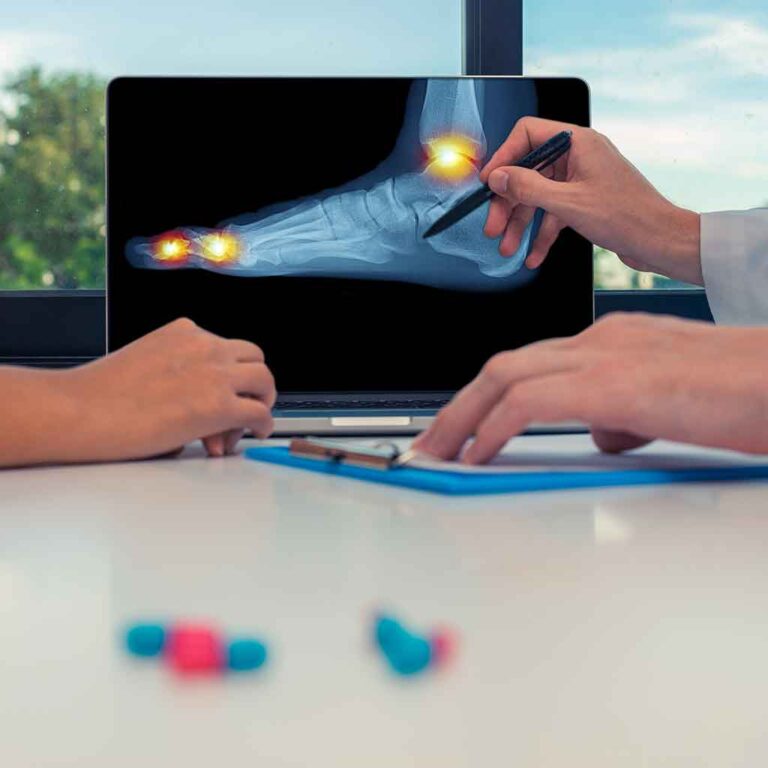
Over-the-counter orthotics can be helpful for general support, but they may not be suitable for everyone. If you have persistent foot discomfort or a specific biomechanical issue, seeking guidance from a professional is advisable. A specialist, such as a podiatrist, can perform a thorough evaluation of your feet, gait, and overall posture. They can determine if a pre-made insert is appropriate or if a custom-molded orthotic would provide more effective support for your unique needs.
Consult with a Podiatrist Today
Making an informed decision about orthotics may significantly impact your daily comfort and mobility. By identifying your foot type and accounting for your activity levels, you can narrow down your options. Consult with a podiatrist for guidance tailored to your needs, and they can address specific concerns. A professional can provide a comprehensive assessment and recommend a solution tailored to your foot structure, helping you move more easily.