Why Do I Need a Sports Medicine Doctor?
Injuries and physical strain can affect anyone, not just professional athletes. Sports medicine focuses on diagnosing, treating, and preventing movement-related problems. A sports injury doctor can identify the cause of pain, build a personalized rehabilitation plan, and reduce the risk of re-injury. Here’s why you may need a sports medicine doctor:
Getting the Right Diagnosis
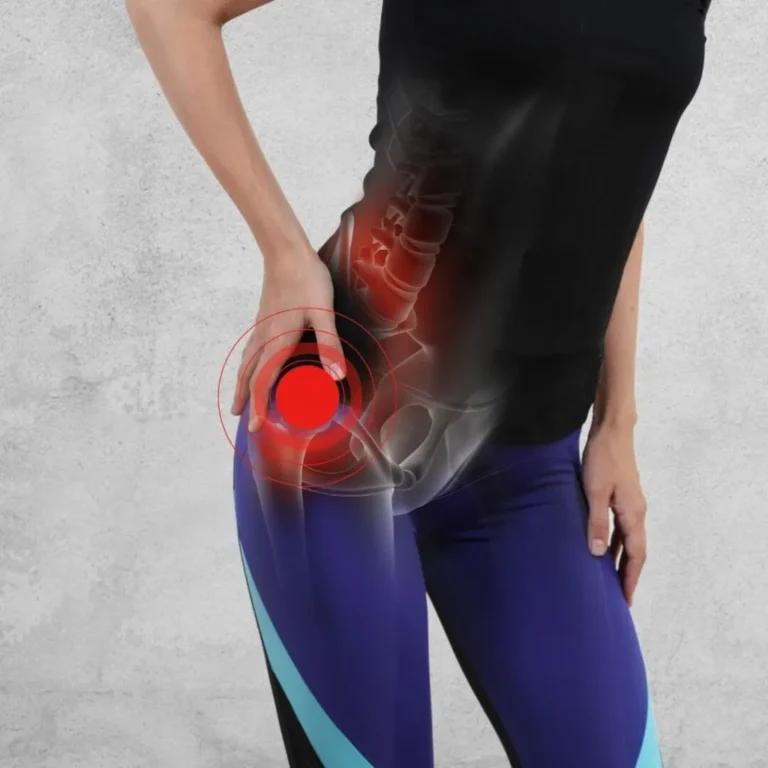
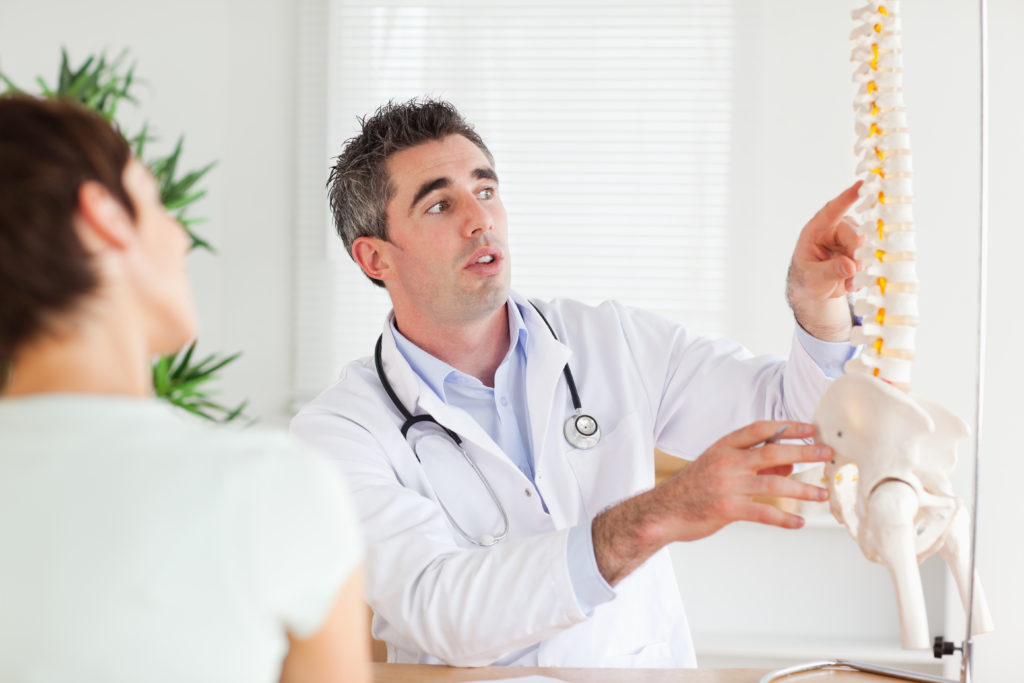
The first step in any recovery process is obtaining an accurate diagnosis of the underlying issue. General practitioners are skilled in many areas, but sports medicine specialists have specific training in the musculoskeletal system. They understand how bones, muscles, and tendons work together during movement, and this allows them to pinpoint the root cause of pain or dysfunction. These physicians also distinguish between acute injuries and overuse injuries. Acute injuries occur suddenly, such as a sprained ankle, while overuse injuries develop over time due to repetitive stress.
Restoring Mobility
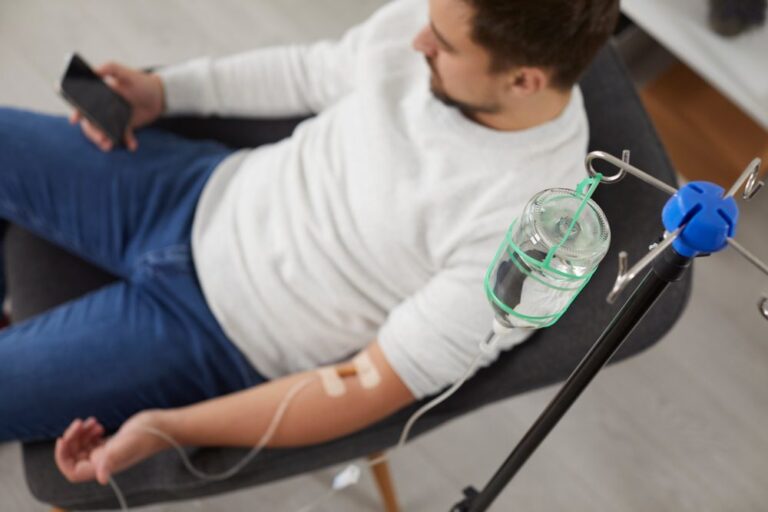
Surgery is not always the first or only option for treating sports-related injuries. A sports medicine doctor focuses on conservative management strategies to help the body heal naturally while restoring strength and flexibility. Here are some of the non-invasive techniques they use to promote recovery and reduce pain:
- Physical Therapy: Physicians often prescribe specific physical therapy protocols to strengthen the muscles surrounding an injury.
- Injections: Corticosteroid or hyaluronic acid injections are sometimes used to reduce joint inflammation and pain.
- Bracing and Casting: The doctor determines the appropriate brace or cast to protect the injury while allowing for as much mobility as possible.
- Medication Management: Anti-inflammatory medications are frequently prescribed to manage pain and swelling.
These treatments aim to restore full function without the recovery time and risks associated with surgery.
Preventing Repeat Injuries
Sports medicine physicians examine the whole patient to identify risk factors that may lead to new or recurring problems. Here’s how they prevent repeat injuries:
- Biomechanics Analysis: The doctor observes how a patient walks, runs, or throws to identify inefficient movement patterns.
- Training Program Modifications: Physicians provide guidance on proper conditioning, rest intervals, and safely increasing training intensity.
- Nutritional Guidance: Some specialists offer advice on nutrition and hydration to support training and recovery goals.
- Equipment Recommendations: A specialist can recommend the right equipment to support your specific anatomy and activity.
Addressing these factors with the physician’s guidance helps you adjust your lifestyle to improve your health.
Guiding Return-To-Play
Deciding when it is safe to return to sports or work after an injury is a significant medical decision. Returning too soon increases the risk of re-injury or permanent damage, but waiting too long can lead to deconditioning. A sports medicine doctor uses established protocols and functional testing to determine when a patient is physically ready to resume activity. These doctors also manage chronic conditions that affect physical activity, such as asthma or diabetes. They work with patients to manage these conditions so they do not hinder participation in exercise and provide ongoing care for degenerative conditions like osteoarthritis.
Schedule Your Sports Medicine Appointment
A sports medicine doctor offers specialized care that extends far beyond the treatment of acute injuries. They provide accurate diagnoses, effective non-surgical treatments, and injury-prevention strategies. Their expertise in biomechanics and return-to-play protocols makes sure that you can pursue your physical activities safely. If you are dealing with a new injury, chronic pain, or want to improve your physical performance, contact a sports injury doctor near you to schedule your evaluation appointment today.