
How to Choose the Right Urgent Care Facility for You
Navigating the healthcare system can present challenges, especially when immediate medical needs arise that do not warrant a visit to an emergency room. Urgent care centers serve as a bridge between primary care physicians and emergency services; they offer accessible medical attention for a wide array of non-life-threatening conditions. Selecting a facility that aligns with your specific health needs is a key step in managing unexpected medical situations effectively.
What Is Urgent Care?
Urgent care is a category of walk-in clinics focused on providing ambulatory care. It is typically offered in a dedicated medical facility outside of a traditional emergency room. These centers are equipped to handle illnesses and injuries that require immediate attention but are not severe enough to be classified as medical emergencies. Unlike a primary care provider’s office, which often requires a scheduled appointment, these care facilities typically accept walk-ins. They offer a convenient option for patients who cannot see their regular doctor or who develop a medical issue after regular office hours.
What Conditions Does It Treat?
Urgent care centers are prepared to manage a broad spectrum of medical problems. These facilities are operated by physicians and medical staff who are trained to diagnose and treat many common ailments. Patients often seek treatment for minor conditions, like colds and flu.
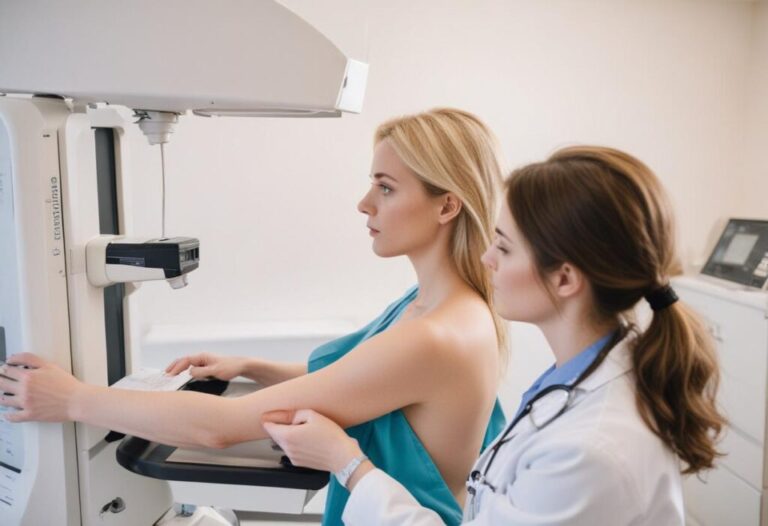
Many care facilities of this nature also provide care addressing women’s health concerns. Services may include routine gynecology care, such as an evaluation of pelvic pain, identification of breast lumps, and STD testing. Other frequent reasons for visiting this type of care clinic include yeast and urinary tract infections. The scope of urgent care is designed to address health issues that, while not life-threatening, can cause discomfort and disrupt daily life if not treated in a timely manner. They provide a setting for patients to receive care without long wait times, which can be associated with emergency departments.
What Services Fall Under It?
Beyond treating specific illnesses and injuries, urgent care facilities offer a variety of medical services. Many provide diagnostic capabilities, including on-site ultrasounds and laboratory services. This allows for the swift diagnosis of conditions like certain infections. The ability to perform tests in-house expedites the treatment process, as patients do not need to travel to a separate location for imaging or lab work.
Many centers also offer preventative care services, which can include physical examinations. Vaccinations, such as flu shots and tetanus boosters, are commonly available. Some facilities may also provide occupational medicine services for work-related injuries. By offering these services, these care centers serve as a versatile resource within the community, providing both immediate and routine medical support.
Choose the Right Facility for You
Choose a facility that aligns with your specific health needs when seeking urgent care services. If you need care for minor illnesses, confirming that the facility treats those specific conditions can support a smoother experience. Assessing the range of services offered allows you to receive care that meets your immediate and future needs, whether that means prompt treatment, preventative care, or specialized testing.