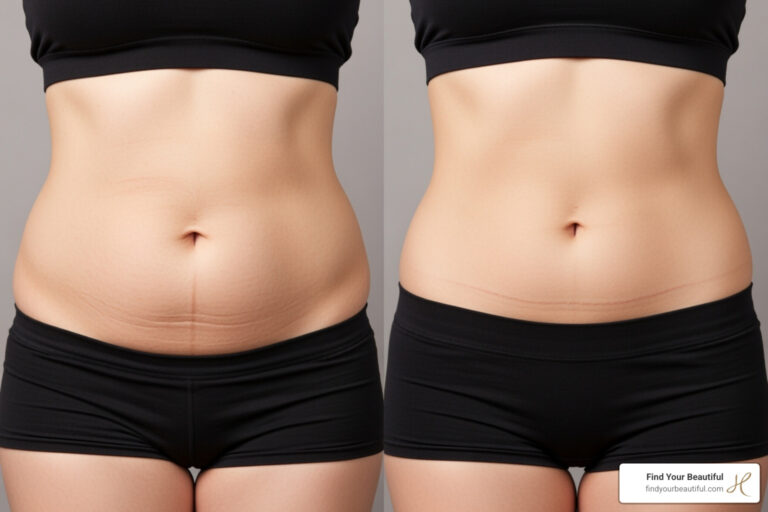

Liposuction Versus Diet and Exercise
Body contouring may be achieved through lifestyle changes or cosmetic procedures. Liposuction and the combination of diet and exercise both affect body shape, yet these approaches operate differently and lead to distinct outcomes. Recognizing the characteristics of each method can support well-informed decisions about body composition management, establishing realistic expectations.
What Is Liposuction?
Liposuction is a surgical method that removes pockets of fat from targeted areas such as the abdomen, hips, thighs, arms, or buttocks. The procedure eliminates fat cells from the treated region, which alters the shape and contour of that area. Liposuction is intended for those who are at or close to a stable weight and who have localized fat that is unresponsive to lifestyle efforts, meaning it is not a weight loss treatment.
Diet and exercise use a different biological pathway to reduce fat. Restricting caloric intake and increasing physical activity creates a deficit, leading the body to use stored fat for energy. This results in a general reduction in fat cell size across the body. Fat loss through lifestyle changes cannot be region-specific. Some people may have persistent fat in certain areas, even after overall weight reduction. Diet and exercise often lead to weight loss and improvements in metabolic health, but stubborn areas of fat can remain despite consistent efforts.
What Are the Types of Procedures?
There are several forms of liposuction, each with unique techniques aimed at safely and effectively removing fat. A consultation with a qualified plastic surgeon allows for appropriate technique selection and a clear understanding of what to expect from the procedure. Prominent methods include:
- Tumescent Liposuction: This common method uses a large amount of sterile solution containing saline and epinephrine. The fat is then suctioned out with a cannula attached to a vacuum.
- Ultrasound-assisted Liposuction (UAL): UAL employs ultrasonic energy to break down fat cells before removal. This technique may be applied to dense tissue areas where traditional suction may be more challenging.
- Laser-assisted Liposuction (LAL): This approach utilizes laser energy to liquefy the fat before removal. The resulting emulsified fat is extracted using a cannula.
The technique for each patient is determined by individual anatomy, treatment goals, and the volume of fat to be removed.
What Should You Expect?
Liposuction involves several stages and begins with evaluation and planning. During an initial appointment, a surgeon takes a medical history and assesses the areas to be treated. The patient’s overall health status, skin quality, and distribution of fat are carefully examined to determine candidacy.
Most liposuction procedures are completed as outpatient surgeries, so patients typically return home the same day. The process involves small incisions through which a cannula is inserted. Fat is loosened and then extracted, usually while the patient is under general anesthesia.
Recovery includes swelling, soreness, and occasional bruising, most notably in the treated areas. Surgeons may recommend prescription pain medication and advise patients to wear compression garments for several weeks. Most individuals return to regular activities within a few days. Physically demanding work or exercise may be resumed after several weeks.
Consult a Plastic Surgeon
Liposuction and changes in diet or exercise are distinct approaches for altering body contour. Liposuction does not replicate the broader health benefits of ongoing lifestyle modification. Consulting with a plastic surgeon provides an opportunity to review anatomy and goals, understand procedure details, and receive guidance tailored to individual needs. This consultation can support a safe and realistic approach to body contouring.