The Connection Between Warts and Foot Health
Foot warts, medically known as plantar warts, are common skin growths that appear on the soles of the feet. These growths may cause discomfort or pain when walking or standing, as the pressure forces them to grow inward beneath a thick layer of skin. While generally not a serious health concern, their presence can be bothersome and impact your daily activities. Here’s more information on the nature of these warts, how they spread, and the preventive measures you can take:
How Plantar Warts Spread
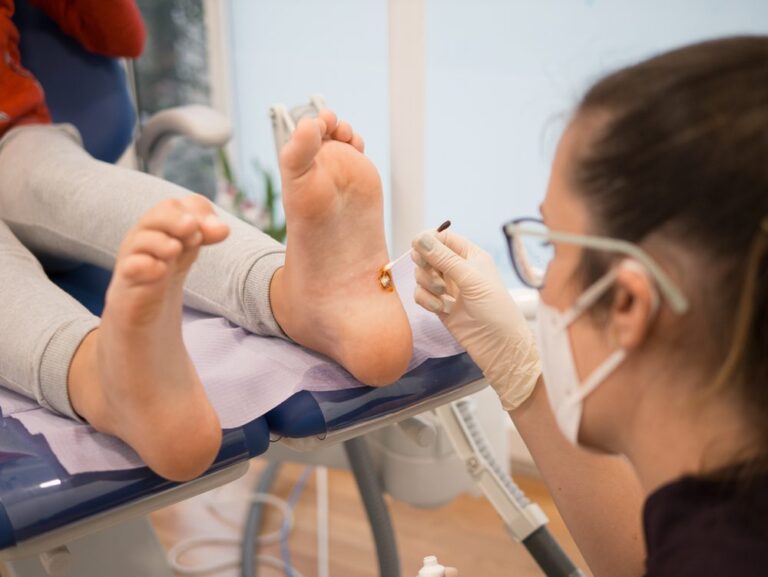
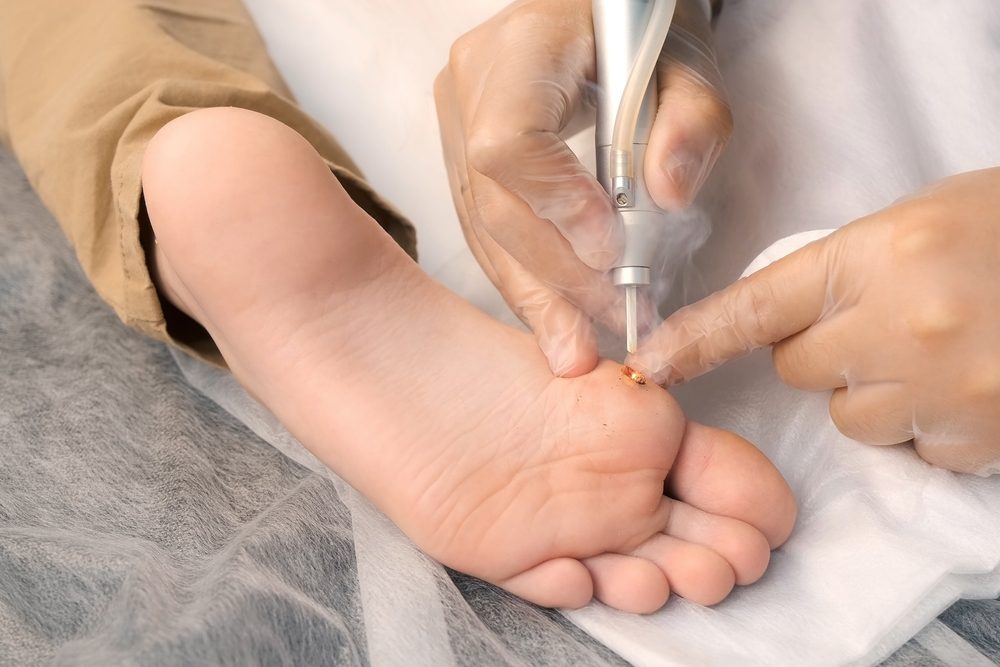
Plantar warts are noncancerous growths that form on the heels or other weight-bearing areas of your feet. They may appear as small, fleshy, rough growths, sometimes with tiny black dots in the center, which are small, clotted blood vessels. Unlike other types, plantar warts often grow into the foot from walking and standing, which can feel like a stone in your shoe. A single wart may appear, or they can form in clusters, which are known as mosaic warts. These growths are not simple skin irritation; they are the result of a specific viral infection affecting the outer layer of the feet.
The transmission of plantar warts is linked to direct and indirect contact with the virus that causes them, which is the human papillomavirus (HPV). This virus is quite common and has many different strains, but only a few cause warts on the feet. HPV thrives in warm, moist environments, and it can enter the body through tiny cuts, breaks, or other weak spots on the bottom of your feet. Not everyone who comes into contact with HPV will develop warts, as each person’s immune system responds differently.
What Makes Them Contagious
The HPV strain responsible for plantar warts spreads through direct contact with an infected surface or person. You can contract the virus by walking barefoot in public areas where the virus might be present, such as:
- Locker Rooms
- Public Showers
- Swimming Pool Areas
If you have a plantar wart, you can also spread the virus to other parts of your own foot or to other people who share the same surfaces as you. The virus is resilient, so it may survive for some time outside the body.
How To Avoid Them
Practicing good foot hygiene reduces your risk of developing plantar warts, so always wear shoes in public communal areas. Since HPV enters through the skin, keeping feet clean, dry, and free of cuts is an invaluable preventive step. You should avoid touching or scratching existing bumps, as this can spread the virus to other areas of your skin. It’s also fundamental to change your shoes and socks daily. If you have a compromised immune system or a history of plantar warts, being extra cautious with your foot hygiene can help minimize your risk of recurrence.
Schedule a Warts Consultation
Plantar warts can be a persistent and uncomfortable issue, but this type responds well to early treatment. While many resolve without intervention, others may require medical attention, especially if they cause pain or spread. If you are concerned about a growth on your foot, contact a podiatrist for a consultation appointment. A consultation allows your provider to properly examine your condition before recommending a treatment option.