
Understanding Causes, Symptoms, and Treatment Options for Plantar Warts
Some people experience growths on the bottom of their feet at some point in their lives. These lesions, known as plantar warts, can cause discomfort and sometimes pain, particularly when walking or standing. They are a common dermatological issue that affects the soles of the feet.
What Are Plantar Warts?
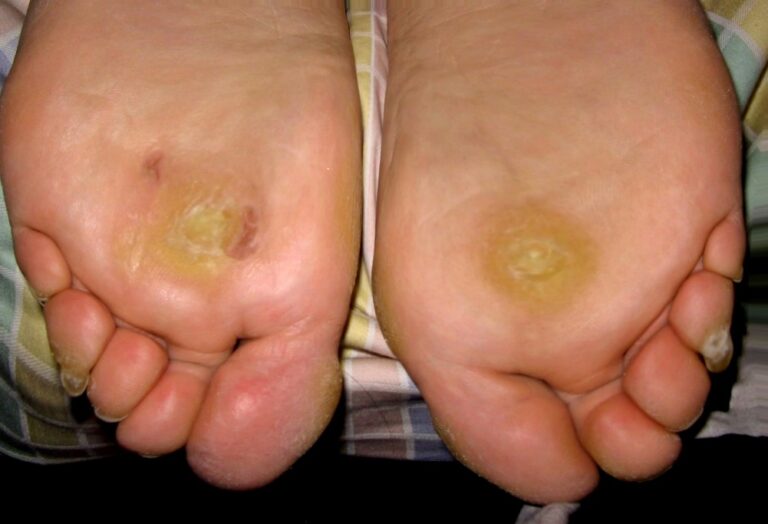
Plantar warts are noncancerous skin growths that appear on the sole of the foot. They can develop anywhere on the bottom of the foot, but they frequently appear on weight-bearing areas like the heels or the balls of the feet. This constant pressure may cause a plantar wart to grow inward beneath a tough layer of skin, known as a callus.
These growths vary in appearance. A single plantar wart may appear as a small, rough lesion. They can grow in clusters, which are referred to as mosaic warts. A key characteristic is the presence of tiny black dots in the center of the wart. These are often called “wart seeds,” but they are actually small, clotted blood vessels. While they are typically harmless, the pressure from walking can make them tender or painful.
What Causes Them?
Plantar warts are caused by the human papillomavirus (HPV). This virus is quite common and has many different strains, but only a few cause warts on the feet. The virus infects the outer layer of skin on the soles of the feet, entering the body through tiny cuts, scrapes, or other weak spots in the skin.
HPV thrives in warm, moist environments, and the virus is often contracted in public places where people walk barefoot. Common exposure sites include swimming pools, locker rooms, and communal showers. Walking barefoot on these contaminated surfaces creates an opportunity for the virus to make contact with the skin. Not everyone who comes into contact with the virus will develop warts. A person’s immune system response plays a significant role in whether an infection takes hold, making people with weakened immune systems more susceptible to infection.
The virus can also spread from one part of the body to another. If you touch or scratch a wart, you may transfer the virus to another area of your skin. It is also possible for the virus to spread from person to person through direct contact, although this is less common for plantar warts than for warts on other parts of the body.
How Are They Treated?
Many plantar warts resolve on their own without any intervention, as the body’s immune system may eventually recognize and fight off the virus. This process can take a few months. When warts cause pain, spread, or persist, several treatment methods are available to help manage them.
A podiatrist can offer professional treatment. One common in-office procedure is cryotherapy, which involves applying liquid nitrogen to the wart. This application freezes the wart tissue, causing a blister to form around it. The dead tissue then sloughs off within about a week. Multiple treatments may be necessary. In more resistant cases, minor surgery to cut away the wart or laser treatment to burn and destroy the wart tissue may be performed.
Meet With a Podiatrist
While plantar warts are generally not a serious health concern, they can cause significant discomfort and interfere with daily activities. A podiatrist is a medical specialist who diagnoses and treats conditions of the feet, ankles, and related structures of the leg. During a consultation, a podiatrist may confirm the diagnosis, often through a simple physical examination. A podiatrist can explain the benefits and risks of each option and help you make an informed choice to resolve this condition.