Innovative Sclerotherapy Techniques That Deliver Results
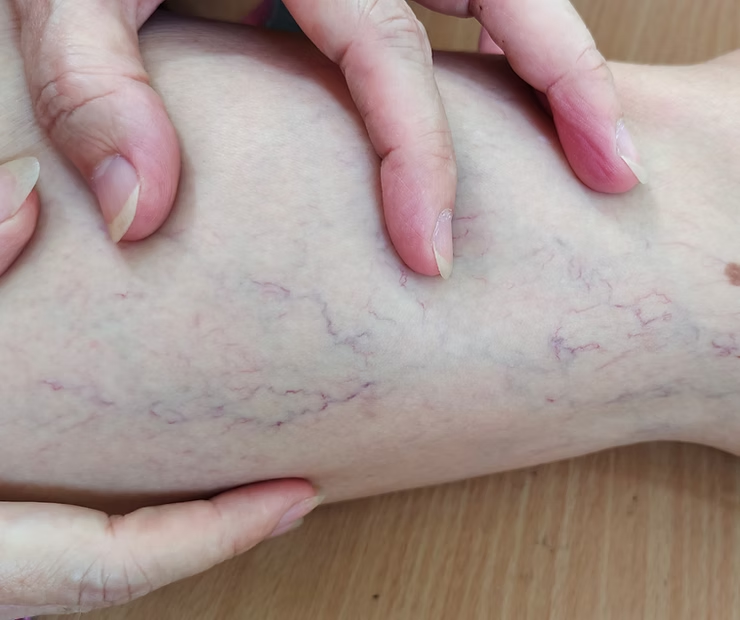
Varicose veins appear as swollen, twisted blood vessels beneath the skin, while spider veins manifest as smaller, web-like lines. These conditions can cause aching discomfort, and patients seek removal for both relief and aesthetic improvement. Sclerotherapy treats these issues by injecting a specialized solution directly into the vein, causing it to collapse and fade away. Here is more information about sclerotherapy and how it works:
Understanding Varicose Vein Causes
Many factors contribute to vascular health. Weak or damaged valves in the legs typically create varicose veins. When valves fail, blood pools within the vessel, causing the vein to stretch or twist visibly. Sclerotherapy treats the result, but genetics or pregnancy typically initiate the structural failure, and lifestyle factors can exacerbate the issue.
Although anyone can suffer from vein problems, certain risk factors increase the likelihood of developing vascular issues. Some of these factors include:
- Age
- Family history
- Obesity
- Standing for long periods
Because aging causes wear on the valves, older adults face higher risks. Women are more likely to develop the condition due to hormonal changes, and pregnancy increases blood volume in the body. Having a family history of varicose veins can increase your own risk of getting them in your lifetime.
Explaining Sclerotherapy Treatment Process
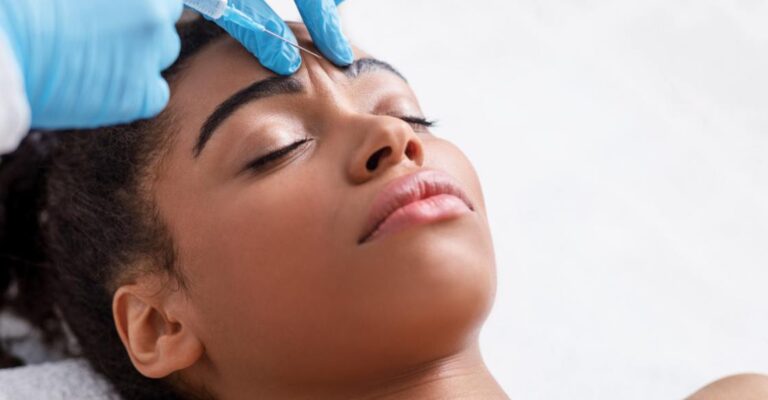
Because the goal involves vessel collapse, this procedure targets the affected vein directly. A doctor cleans the area, and they inject a solution into the vessel using a fine needle. The solution irritates the lining of the blood vessel, causing it to swell and stick together. Over time, the vessel turns into scar tissue that fades from view.
Since the procedure is minimally invasive, patients usually resume normal activities immediately. Compression stockings aid the healing process, and walking helps prevent blood clots. The procedure does not require general anesthesia.
Mild bruising or redness can occur at the injection site. These side effects typically resolve within a few days, but brown lines may persist longer. Your provider may tell you to abstain from taking nonsteroidal anti-inflammatory drugs, or NSAIDs, as well as hot baths for 48 hours after the procedure.
Exploring Varicose Vein Treatments
Medical advancements have introduced variations that enhance the traditional method, and these options cater to diverse anatomical needs.
- Varithena: A foam solution used for larger veins.
- VenaSeal: A glue-like adhesive.
Because standard sclerotherapy chemicals work best on small veins, doctors use foam for larger vessels. The foam fills the space completely, and it treats the vein wall more effectively. This technique allows treatment of the great saphenous vein system.
VenaSeal presents another innovative option. A specialist inserts a catheter into the diseased vein, and they deliver a small amount of medical glue to seal it shut. Although other venous treatments may require heat or tumescent anesthesia, this method avoids both.
Learn More About Sclerotherapy
Sclerotherapy is one method for eliminating unsightly veins, but new techniques like foam and glue provide additional choices. Patients can discuss their specific condition with a qualified provider to determine the approach for treatment. If you want to learn more about sclerotherapy, consult a vascular specialist near you.