
Recognizing Symptoms That Require a Visit to the Gynecologist
Knowing when to schedule an appointment with a gynecologist is a fundamental part of protecting long-term reproductive and overall health. While many changes are normal, certain symptoms may indicate infections, hormonal imbalances, or other conditions that require timely evaluation and treatment. Here’s more information on symptoms that require a visit to the gynecologist:
Noticing Period Changes
Most women have a general idea of what their menstrual cycle looks like, even if it varies slightly month to month. Significant changes in your period can indicate hormonal imbalances, structural issues, or other medical conditions. If your cycle suddenly becomes much shorter or longer than usual, it is advisable to consult a gynecologist to rule out complications.
Heavy bleeding, known as menorrhagia, is a concern that requires medical attention. If you find yourself soaking through pads or tampons every hour for several hours in a row, this is not normal. Passing large blood clots during your period is another sign that you should seek professional advice. These symptoms may point to conditions such as uterine fibroids, polyps, or endometriosis, which a gynecologist can diagnose and treat.
Tracking Pain And Pressure
Pelvic pain is a broad symptom that can stem from various causes, ranging from mild to severe. While some cramping during menstruation is common, pain that disrupts your daily life or occurs outside of your period requires investigation. Here are key changes to pay attention to:
- Severe Menstrual Cramps: Cramps that do not improve with over-the-counter medication may indicate endometriosis or adenomyosis.
- Pain During Intercourse: Discomfort or pain during sex can result from infections, fibroids, or hormonal changes.
- Pelvic Pressure: A sensation of fullness or pressure in the lower abdomen may signal the presence of a mass, such as an ovarian cyst or fibroid.
- Lower Back Pain: Persistent lower back pain unrelated to muscle strain may be associated with gynecological conditions.
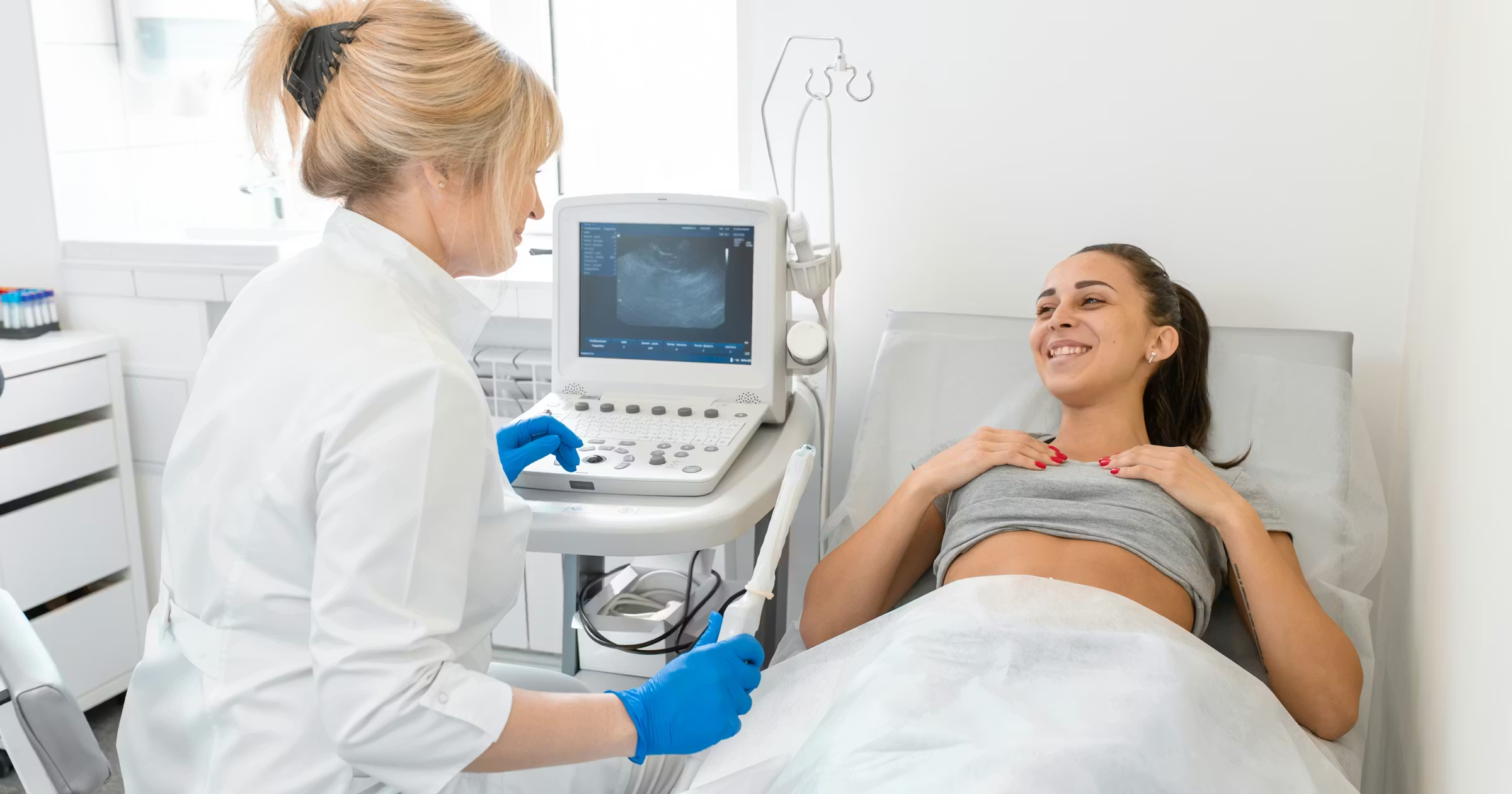
If you experience sudden, sharp pelvic pain, seeking immediate medical attention is fundamental. A gynecologist can use ultrasound imaging or other diagnostic tools to assess your pelvic organs.
Monitoring Vaginal Symptoms
Vaginal health is maintained by a delicate balance of bacteria, and disruptions to this balance can lead to uncomfortable symptoms. Paying attention to these changes is a helpful way to detect infections. Here are vaginal changes that require a visit to the gynecologist:
- Unusual Color or Consistency: Discharge that appears green, gray, or yellow, or has a chunky texture, is often a sign of infection.
- Strong Odor: A persistent, strong, or fishy odor is a common symptom of bacterial vaginosis or other infections.
- Itching or Burning: These sensations can occur internally or externally and often signal yeast infections or STDs.
- Bumps or Sores: Any new bumps, blisters, or sores in the genital area should be examined by a gynecologist immediately.
Bleeding or spotting between periods or after intercourse is also a vaginal change that needs evaluation.
Recognizing Hormone-Related Symptoms
Hormonal changes during different life stages, such as perimenopause and menopause, also bring symptoms that may require management. Hot flashes, night sweats, and mood swings are common, but they can significantly impact your quality of life. If these symptoms become unmanageable, a gynecologist can discuss hormone replacement therapy or other management strategies. They can also provide guidance on maintaining bone density and heart health as estrogen levels decline.
Consult a Gynecologist Today
Recognizing the symptoms discussed here is the first step toward advocating for your own health. Dealing with irregular periods, pelvic pain, or unusual discharge requires seeking professional advice. A gynecologist diagnoses these issues accurately and creates a tailored treatment plan. Contact a qualified gynecologist near you to book your consultation today.