
The Role of Foot Specialists in Managing Sports Injuries
Because athletic activities place immense stress on the feet, injuries occur among dedicated sports participants. Podiatrists have specialized medical training to treat lower-extremity musculoskeletal problems effectively and safely. People may dismiss minor aches as normal, but neglecting this pain causes severe, permanent, long-term damage. Here is more information about the role of foot specialists:
Diagnosing Conditions
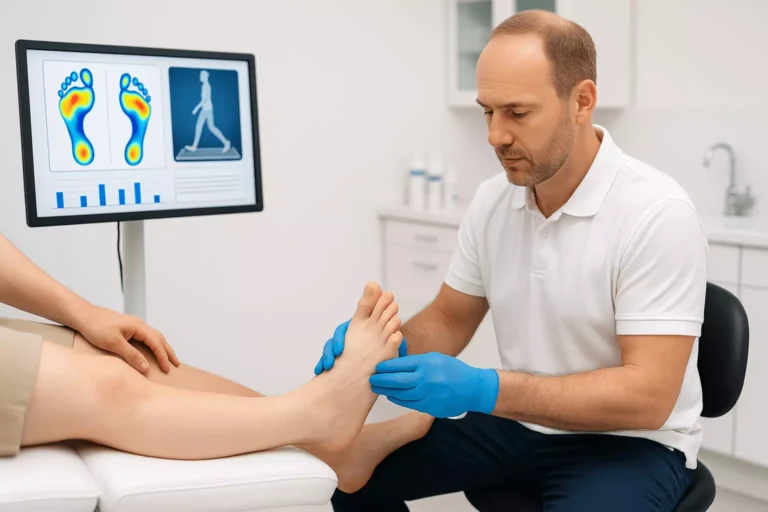
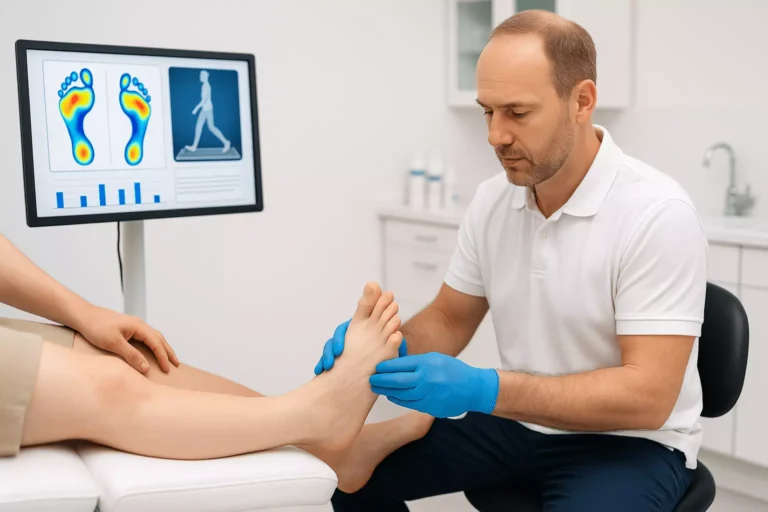
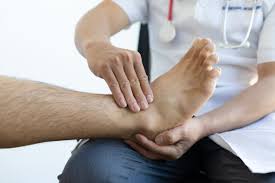
The doctor examines the injured foot physically, and they assess current pain levels during passive movement. Since internal swelling obscures the damage, advanced imaging tests provide a clear view of internal structures. X-rays reveal tiny stress fractures located deep within the complex bone structure very quickly. While X-rays show bone issues clearly, MRIs detect soft tissue tears in ligaments and tendons.
Accurate identification of the specific injury guides the subsequent medical treatment plan for the patient. Gait analysis identifies subtle biomechanical faults, and it highlights structural imbalances affecting the athlete’s stride. If the initial medical diagnosis is incorrect, the recovery process takes significantly longer than necessary. Specialists utilize these various advanced diagnostic tools to obtain precise, actionable clinical results effectively.
Controlling Pain
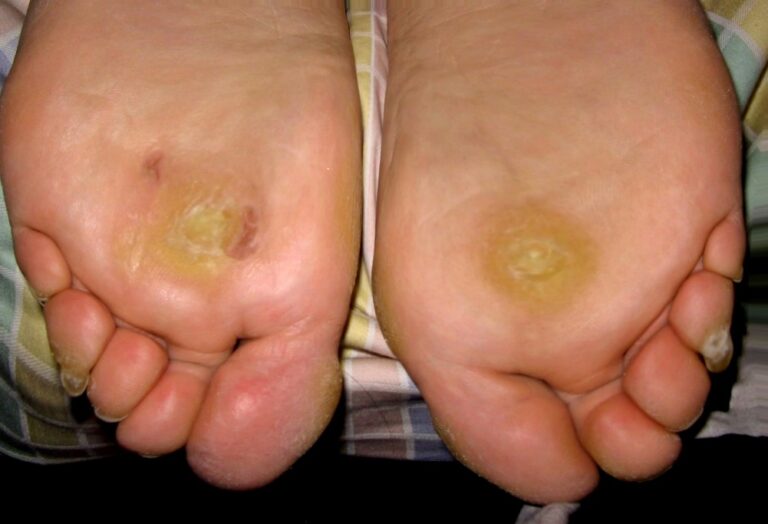
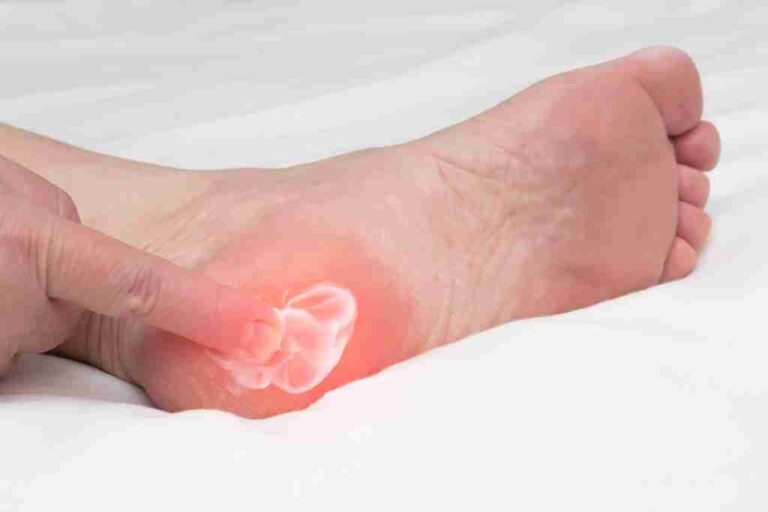
Because intense pain inhibits natural movement, managing physical discomfort is the primary medical goal. Specialists utilize multiple non-invasive methods for providing immediate, effective symptom relief for injured athletes. Corticosteroid injections reduce localized inflammation, and protective padding offloads sensitive areas during daily walking activities. Custom orthotic devices correct abnormal foot mechanics to reduce strain on injured soft tissues, including these methods:
- Insoles redistribute pressure across the foot.
- Tape techniques stabilize the injured joints.
- Braces limit painful motion during activity.
- Cold therapy decreases acute swelling effectively.
Restoring Mobility
Joint stiffness typically follows injury, but physical therapy restores the normal functional range of motion effectively. Because immobilization weakens the leg muscles, active rehabilitation begins as soon as is safely possible. Targeted stretching exercises lengthen tight tendons surrounding the injured area to improve overall flexibility. When the range of motion improves sufficiently, the athlete starts progressive strengthening drills for added support.
Strengthening the lower leg muscles protects the ankle joint from future painful sprains and strains. If the ankle remains unstable after healing, re-injury risks increase significantly for the active athlete. The specialist monitors progress closely, and they adjust the exercise routine on a weekly basis.
While the injury heals properly, the athlete maintains cardiovascular fitness levels through alternative training methods. Low-impact activities like swimming keep the heart rate up without stressing the injured foot. Running is typically prohibited for safety, but walking programs start gradually as acute pain subsides. This phased approach prevents setbacks during the delicate recovery phase of the medical treatment.
Performing Surgery
Some complex injuries require invasive surgical intervention to fully correct the physical problem. When conservative treatments fail completely, surgery addresses the underlying structural damage within the foot. Surgeons repair torn ligaments effectively, or they realign fractured bone fragments with metal hardware. Post-surgical rehabilitation facilitates a full return to previous high athletic performance levels safely.
Visit a Foot Specialist Today
Since foot health directly impacts performance, seeking professional care is a practical necessity for longevity. You protect your future mobility, and you prevent chronic limitations from developing later in life. Because prompt treatment works best, book your appointment to address your sports injury now.