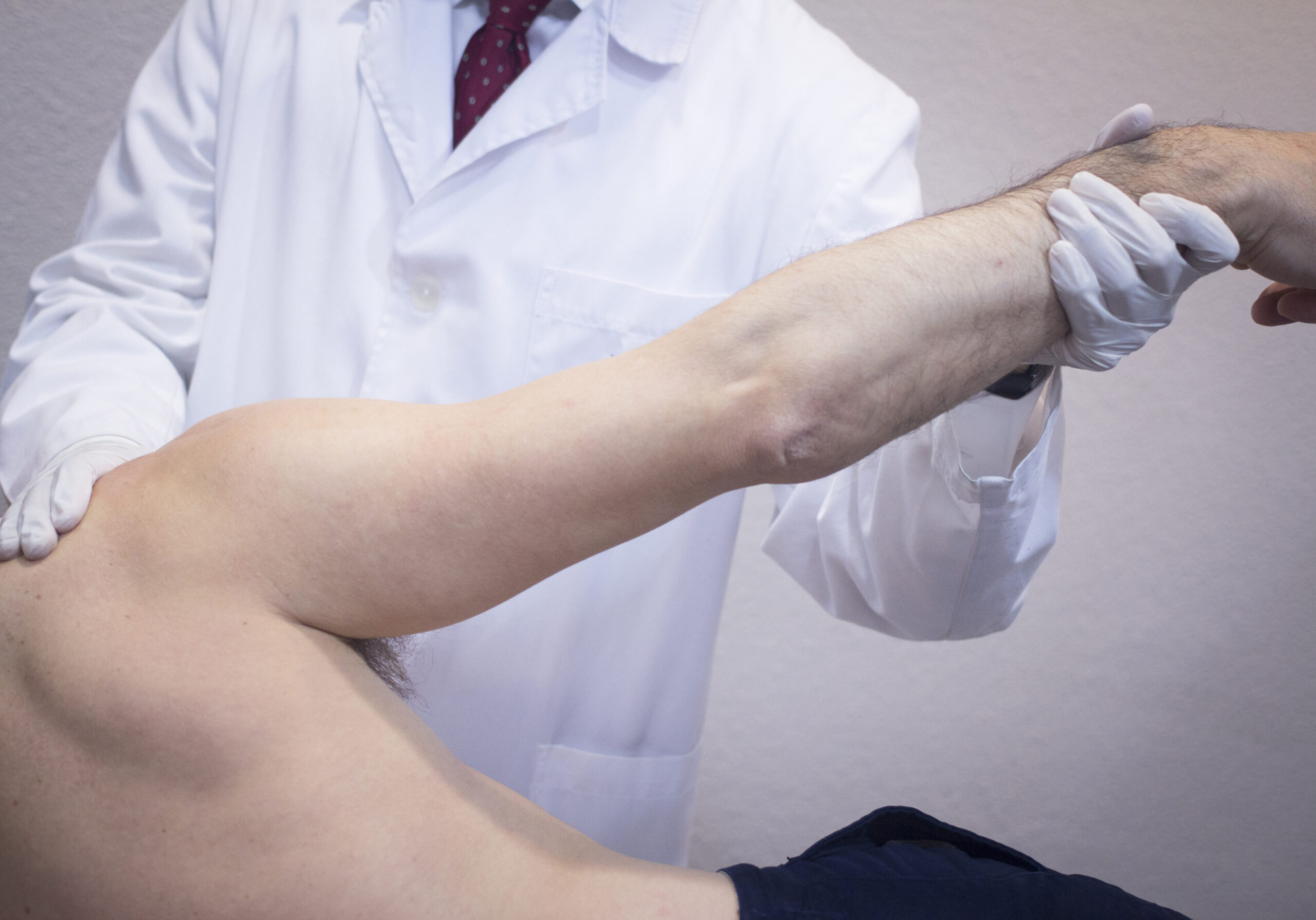
Understanding the Role of an Orthopedic Surgeon in Sports Injuries
An orthopedic surgeon specializes in the care of the musculoskeletal system. This complex system comprises bones, joints, ligaments, tendons, and muscles. Sports injuries disrupt these structures, and they range from minor sprains to severe fractures. Here is more information about how these specialists diagnose the injury and implement a plan to restore function:
Defining Orthopedic Surgeons
An orthopedic surgeon is a medical doctor who manages issues affecting the bones, and they treat injuries involving soft tissues. While some conditions require surgery, others improve with non-surgical care. Orthopedic surgeons manage degenerative diseases like arthritis, but they also treat acute trauma.
Although many people associate them with surgery, these providers also offer non-surgical interventions. Medication or rehabilitation can resolve many problems. Patients discuss their symptoms of sports injury with the surgeon, and the surgeon can evaluate the severity.
Understanding Sports Injuries
Sports injuries occur during exercise or athletic events. Acute injuries happen suddenly, but chronic injuries develop over time. A football player might tear a ligament during a tackle. When a tennis player swings a racket repeatedly, inflammation may affect the elbow.
Common injuries fall into several categories:
- Fractures: Trauma or overuse creates a break or crack in the bone.
- Dislocations: The ends of bones are forced out of position.
- Sprains: An unexpected or awkward movement causes a stretch or tear of ligaments.
- Strains: Sudden movement or overuse creates a stretch or tear of muscles or tendons.
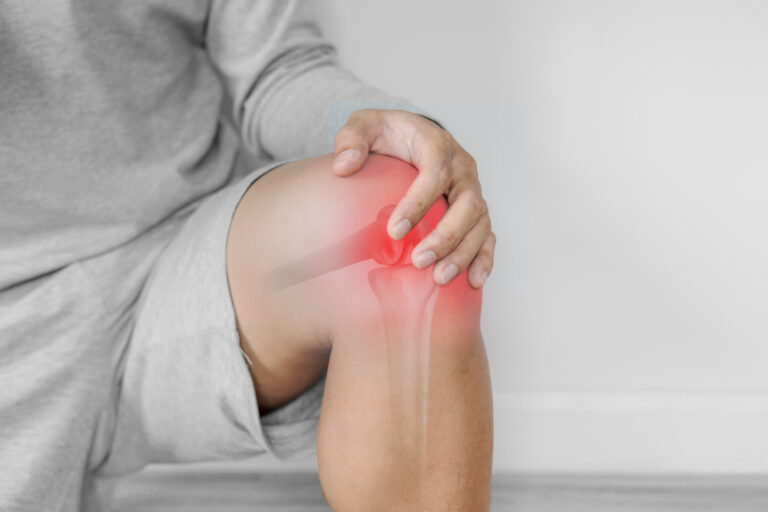
Overuse injuries present a different challenge. These conditions result from repetitive stress on a specific part of the body. Runner’s knee is a common example, and it affects many joggers. Rest usually alleviates the symptoms, but the pain may return with activity. If the underlying mechanical issue remains unaddressed, it may increase your risk of further or future injury.
Treating Athletic Injuries
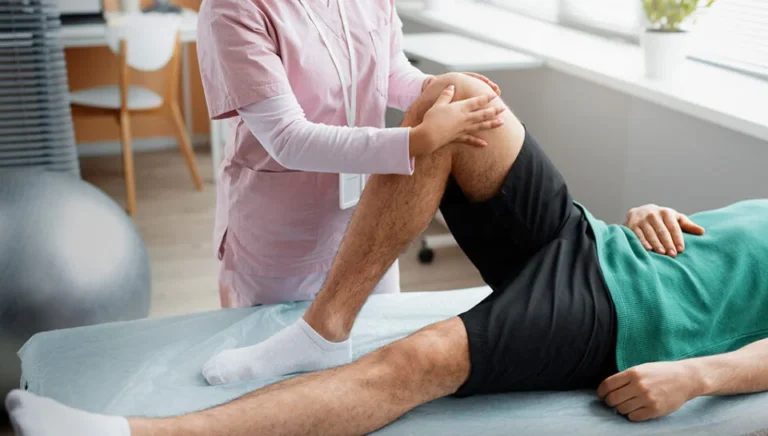
Orthopedic surgeons employ various strategies to treat injuries. They prescribe medication for pain relief, and they suggest rehabilitation exercises. Since inflammation causes pain, reducing swelling is a priority. The RICE method may help with pain and inflammation in many patients. This stands for rest, ice, compression, and elevation.
Prevention also plays a role. Surgeons educate athletes on proper techniques, and they recommend appropriate equipment. If an athlete wears worn-out shoes, they risk stress fractures. Strengthening exercises support the joints. Flexibility training increases the range of motion, so it reduces the risk of strains.
Surgery corrects structural damage in severe cases. Arthroscopy uses small incisions, and it allows for faster recovery. When a tendon tears completely, surgical repair restores its function. Recovery times vary based on the procedure. A surgeon repairs the tissue, and a physical therapist guides the rehabilitation. This collaboration helps achieve the best outcome.
Recognizing Warning Signs
Certain symptoms may indicate the need for professional care. See a doctor if pain prevents you from sleeping, or if the injury does not improve with rest. Visible deformity suggests a fracture, or it could indicate dislocation.
Other warning signs include:
- Inability to move the joint
- Severe swelling
- Numbness or tingling
- Limping or inability to bear weight
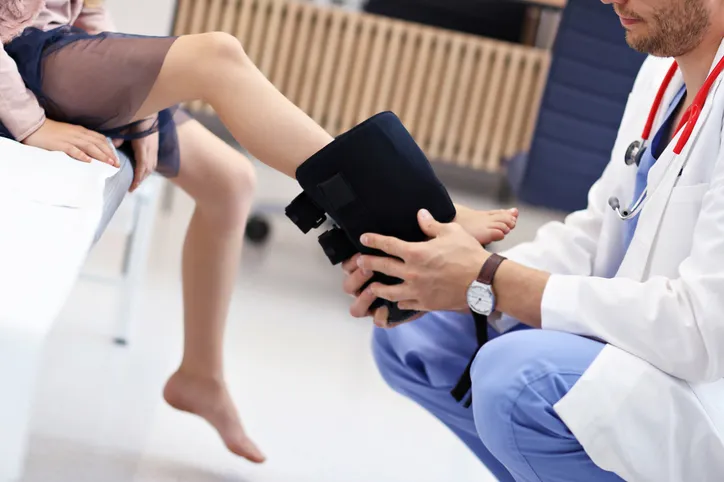
Instability feels like the joint might give way. If you hear a popping noise, a ligament may have torn. A doctor will perform a physical exam, and they will assess the range of motion. They may order imaging tests like X-rays or MRIs. These tools provide a clear view of the internal structures. Once they confirm the diagnosis, treatment begins.
Consult an Orthopedist
Orthopedic surgeons provide expert care for sports injuries. They identify the problem, and they guide patients through recovery. Whether the injury requires surgery or conservative management, these specialists aim to restore mobility. If you want to learn more about how an orthopedic surgery can help with sports injuries, consult an orthopedic surgeon near you.