
Exploring the Future of Orthopedics in Injury Management
Orthopedics focuses on the musculoskeletal system, and it addresses injuries to bones, joints, ligaments, tendons, and nerves. Doctors diagnose various physical issues to create effective, personalized treatment plans for each patient. Because medical technology advances, the field constantly evolves to offer better patient outcomes through innovative methods and care strategies. Here is more information about the future of orthopedics in injury management:
Arthroscopic Surgery
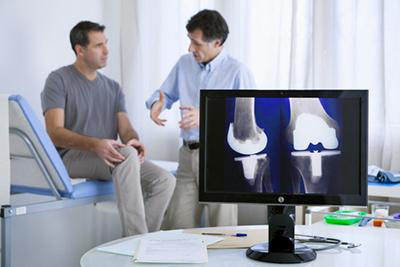
Because large incisions create significant tissue trauma, surgeons may prefer smaller, precise openings for many diagnostic and surgical procedures. Arthroscopy involves inserting a small camera directly into the joint space to visualize the interior structures. The camera displays images on a monitor, and the surgeon uses miniature instruments to operate with great precision and control.
This targeted approach aims to reduce recovery time for many patients compared to traditional open surgery methods. Less tissue damage occurs during the procedure, so post-operative pain typically decreases during the rehabilitation phase. While traditional open surgery remains necessary for complex reconstruction, arthroscopy works for many standard joint injuries.
Orthobiologic Treatments
When the human body suffers a traumatic injury, natural healing processes repair the damage at the cellular level. Orthobiologics harness these highly potent natural substances to aid recovery in difficult cases where standard healing might stall. Doctors use these biological materials extensively, and they apply them to conditions to enhance the body’s restorative capacity.
Stem cell therapy utilizes the body’s own cells to promote tissue regeneration within injured structures. These highly adaptable cells change into various necessary tissue types, so they repair damaged areas more effectively than some traditional methods. While these methods are still being explored, many practitioners utilize these therapies for joint preservation and cartilage repair in eligible candidates.
Biologics support new cell growth within the injury site, and specific growth factors stimulate the underlying repair process to move faster. Since cartilage does not regenerate easily on its own, orthobiologics provide a necessary biological boost for tissue restoration. New developments occur in this specific area of regenerative medicine to expand potential applications.
Less Invasive Techniques
Medical providers in orthopedics use specialized tools for these procedures, and they access the injury site through tiny incisions to minimize physical impact. Because these advanced techniques may disrupt less muscle tissue, patients typically experience faster rehabilitation timelines and regain mobility sooner. Potential advantages of this approach include:
- Reduced scarring
- Lower risk of site infection
- Shorter hospital stays
These distinct benefits appeal to active individuals seeking quick returns to their daily activities or sports following a procedure.
Platelet-rich Plasma
Platelet-rich plasma therapy concentrates potent platelets derived directly from a patient’s own blood sample to create a healing solution. When providers inject this concentrated solution into an injured tendon or ligament, it releases growth factors to speed up natural healing. The collection process takes a short time in the office, and the injection typically occurs in a standard outpatient setting without the need for sedation.
Get Treatment From Orthopedics
If you experience persistent joint pain or sustain an acute injury, consult a qualified orthopedic specialist immediately for an evaluation. Proper diagnosis leads to the most effective treatment plan, and early interventionmay help prevent long-term complications from developing in the future. Schedule an appointment with our team today to discuss your options for recovery and pain relief.