Who Should Visit an Optometrist?
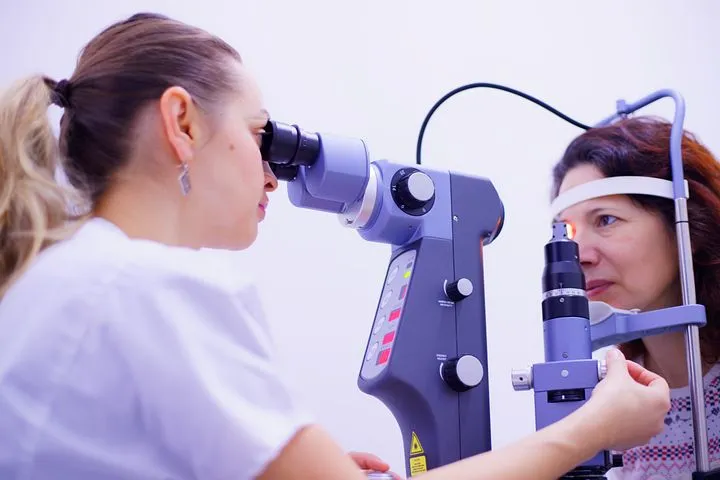
An optometrist is a primary eye care provider who evaluates vision, diagnoses common eye conditions, and helps patients protect long-term eye health. An optometrist supports the early detection of issues that may not present with obvious symptoms, such as dry eye. Here’s more information on who should visit an optometrist:
People With Vision Changes
Individuals often schedule an appointment when they notice specific alterations in their sight or physical sensations in their eyes. Recognizing these signs early allows an optometrist to intervene before the condition worsens or causes permanent damage. You should think about booking an examination if you experience any of the following symptoms:
- Blurry vision when looking at distant objects or reading close text.
- Frequent headaches that occur after visual tasks like reading or computer work.
- Difficulty seeing at night or increased sensitivity to bright lights.
- Floaters, flashes of light, or sudden spots in your field of view.
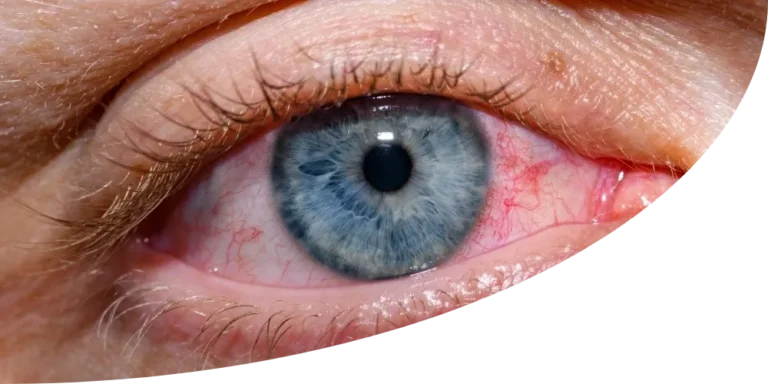
- Redness, itching, burning, or pain in or around the eyes.
- Double vision or difficulty maintaining focus on a single object.
Addressing these symptoms promptly with a qualified optometrist is the best way to preserve clear vision and comfort.
Kids, Teens, and Students
Young people engage in activities that place significant stress on their visual systems. Students spend hours reading textbooks, using tablets, and focusing on whiteboards in classrooms. This often leads to digital eye strain or reveals underlying refractive errors, such as myopia. An optometrist can diagnose these issues, which may otherwise hinder academic performance or athletic ability.
Children and teenagers undergo rapid physical changes that can drastically alter their visual acuity over a short period. Detecting these issues early prevents long-term struggles with reading and learning. Untreated vision problems in children sometimes present as behavioral issues or learning difficulties. Parents should make sure their children receive regular screenings to monitor development and update prescriptions.
Adults With Higher Risks
Certain medical conditions and daily habits increase the likelihood of developing ocular diseases or vision problems. Adults falling into these high-risk categories require frequent monitoring to manage potential complications effectively. An optometrist will review your medical history and lifestyle factors to determine if you belong to any of these groups:
- Individuals diagnosed with diabetes or high blood pressure.
- People with a family history of glaucoma or macular degeneration.
- Workers who use computers for long periods or work in hazardous environments.
- Contact lens wearers who need regular evaluations of corneal health.
- Smokers or individuals taking medications with ocular side effects.
- Adults who are prone to cataracts and other age-related conditions.
Discussing these risk factors with an optometrist makes sure that you receive a personalized care plan tailored to your health profile.
Individuals Who Need Routine Care
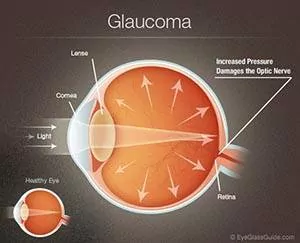
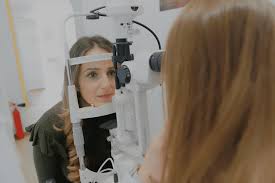
Many serious eye diseases develop without immediate pain or noticeable changes in vision during their early stages. Conditions such as glaucoma are often asymptomatic until significant vision loss has already occurred. A comprehensive exam allows an optometrist to inspect the internal structures of the eye for early signs of disease. This preventive approach is fundamental to the long-term preservation of vision in patients of all ages.
Routine care also involves updating prescriptions for glasses or contact lenses to reduce strain. Wearing an outdated prescription causes the eyes to work harder than necessary, which often leads to fatigue and headaches. An optometrist also checks for age-related changes such as presbyopia.
Visit an Optometrist Today
Optimal eye health requires proactive care and attention to vision changes. An optometrist provides fundamental medical and optical services, addressing specific symptoms, assessing high-risk factors, and performing routine checks to promote optimal eye health. Contact a qualified optometrist near you to schedule your appointment today.