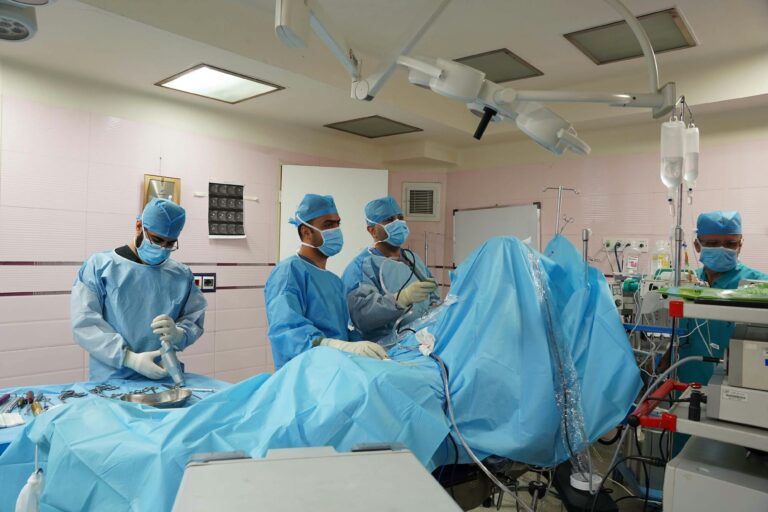

When Surgery May Be Necessary for Abdominal Pain
Abdominal pain is a symptom that has many potential causes. While some cases resolve with conservative treatment, other situations require surgical intervention. Understanding when surgery becomes necessary can help you make informed decisions about your health and recognize when medical attention is needed.
What Is Abdominal Pain?
Abdominal pain refers to discomfort in the region between the chest and the pelvis. The pain ranges from mild to severe and may present as sharp, dull, cramping, or constant. Pain location often provides information about the underlying cause, as different organs occupy specific areas of the abdomen.
The abdomen contains numerous organs, including the stomach, intestines, liver, gallbladder, pancreas, and appendix. Pain can originate from any of these structures, and the character of the pain often differs based on which organ is affected. Abdominal pain may be acute, developing suddenly and lasting a short time, or chronic, persisting for weeks or months.
What Causes It?
This type of pain has many potential causes, ranging from minor digestive issues to serious medical conditions. Common causes include indigestion, gas, constipation, food poisoning, and gastroenteritis. These conditions may resolve on their own or with minimal treatment, and they typically don’t require surgical intervention.
Inflammatory bowel diseases like Crohn’s disease and ulcerative colitis can lead to complications requiring surgery. These chronic conditions cause inflammation of the digestive tract, and they sometimes result in strictures, perforations, or abscesses. The severity and location of inflammation determine whether surgical intervention becomes necessary.
How Is Daily Life Affected?
Abdominal pain has the potential to affect daily activities and quality of life. Chronic or severe pain may interfere with work, sleep, eating habits, and social interactions. Physical limitations may accompany persistent pain, and this makes it difficult to exercise, lift objects, or perform routine tasks. Seeking appropriate treatment, including surgery when indicated, helps restore normal function and improve quality of life.
When Is Surgery Necessary?
Surgery becomes necessary when conservative treatments fail to resolve pain or when complications develop. Acute conditions like appendicitis, perforated bowel, or intestinal obstruction typically require emergency surgery, and delaying treatment in these cases can lead to complications. Chronic conditions also warrant surgical intervention when they impair quality of life. For inflammatory bowel disease patients, surgery may be needed to remove the diseased portion of the bowels when medication cannot control symptoms or when strictures, fistulas, or abscesses develop.
How Is Surgery Beneficial?
Surgery can provide definitive treatment for conditions causing abdominal pain when other approaches have failed. Removing diseased organs or tissue often eliminates the source of pain, and it helps prevent future complications. For some conditions, surgery is curative and prevents complications.
Surgical intervention for inflammatory bowel disease can improve quality of life by removing severely damaged bowel segments. This allows the remaining healthy tissue to function properly, and it helps reduce or eliminate the need for certain medications. Patients may experience significant symptom relief and return to normal activities following recovery.
Learn More About Surgery Today
Recognizing when abdominal pain requires surgical intervention is a key part of managing your health. While some cases resolve with conservative treatment, certain conditions necessitate surgery. If you experience severe, persistent, or worsening abdominal pain, consult a medical professional for proper evaluation and treatment recommendations. Early diagnosis and appropriate intervention can prevent complications and help you return to normal activities more quickly.