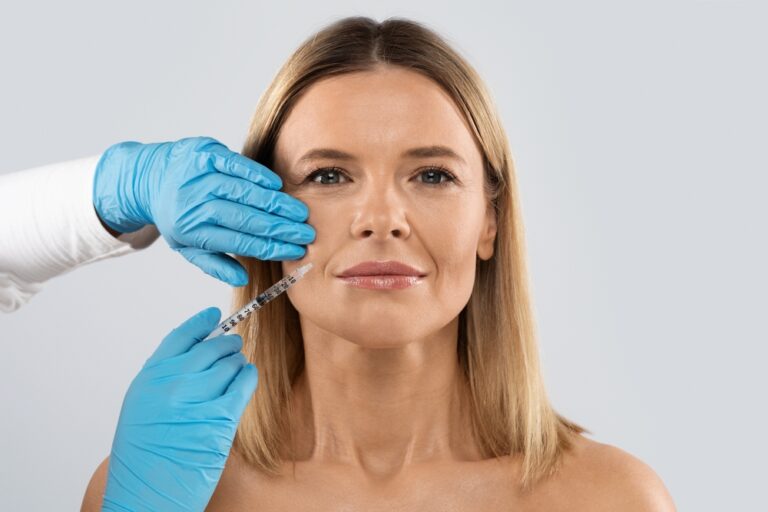

What You Should Know About Seeing a Skin Doctor
Visiting a dermatologist, or skin doctor, is a proactive step for your health. These specialists diagnose and treat conditions related to skin, hair, and nails. A dermatologist can treat skin conditions, and they provide early intervention for concerns you may have noticed. Even if you don’t have a specific complaint, routine visits help catch issues.
Reasons for a Visit
Many people see a skin doctor for common skin conditions. Your dermatologist helps manage chronic issues like acne or rosacea. You might also visit for eczema, psoriasis, unusual rashes, fungal infections, or unexplained hair loss. These conditions can affect your comfort and quality of life. You might be struggling with acne that has not responded to over-the-counter products, and a dermatologist guides you through options such as prescription medications, topical treatments, or professional procedures like chemical peels. Early diagnosis of skin problems enables more effective treatment, and it helps prevent complications. Since they provide preventive care, do not wait until symptoms start.
Treatments for Conditions
For concerns like sun damage or acne scars, laser therapy is an option. Dermatologists offer many treatments for skin problems. Light therapy can be used for conditions like vitiligo or psoriasis. Some treatments are surgical, and Mohs surgery is a precise technique used for skin cancer. This procedure removes cancerous cells layer by layer. Other options include cryotherapy (freezing abnormal growths), corticosteroid injections for stubborn inflammation, and prescription creams for eczema or dermatitis. Chemical peels and microdermabrasion help improve skin texture and tone, while oral medications address deeper issues like severe acne or autoimmune skin disorders. Your doctor will discuss the best treatment for your specific needs and explain the process, keeping you fully informed before you proceed.
Following recommended aftercare instructions helps the effectiveness of your treatment and aids healing. This may include using gentle skincare products. It may also require avoiding direct sun exposure or applying prescribed ointments as directed. Maintaining a healthy lifestyle, including regular hydration, also supports overall skin health. Results may take time to become visible, so patience and consistency are key. If you experience any unusual side effects or have concerns during your treatment, contact your healthcare provider for guidance and support.
Screenings for Skin Cancer
Regular skin cancer screenings are recommended for your long-term health. A dermatologist checks your skin for signs of potential issues, so care can begin immediately. Your provider may recommend using sunscreen and limiting your time in tanning beds. They may look for basal cell carcinoma (BCC) and squamous cell carcinoma (SCC). The doctor also screens for melanoma, which is a different skin cancer. A visual exam is a common preventative measure. Early detection is key, and your doctor offers guidance on sun protection while creating a screening schedule that works for you.
Schedule Your Skin Doctor Appointment
Taking care of your skin is a part of your overall well-being, and it shouldn’t be delayed. A skin doctor provides expert care for a variety of conditions. Before they become worse, ask questions about daily skincare or prevention. Issues may include unusual moles, persistent rashes, or changes in your skin’s texture. Schedule a consultation to discuss your skin health concerns today.