What You Should Know About Colonoscopy Recovery
A colonoscopy is a medical procedure used to examine the lining of the large intestine. Doctors perform this procedure to look for abnormalities, such as polyps or signs of inflammation. As you prepare for the procedure, understanding the examination helps you know what to expect from your body during recovery. The process involves a few key components that work together to provide a clear view of your colon.
Examines the Large Intestine
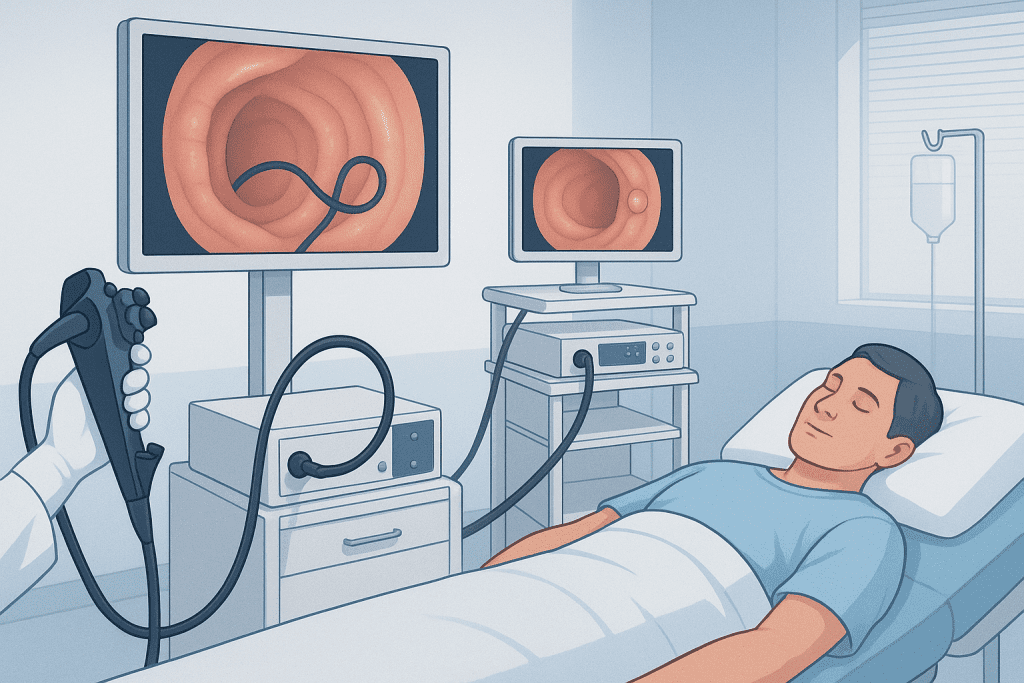
The primary function of a colonoscopy is to provide a direct look at the large intestine, also called the colon, and the rectum. To get more information, this examination allows a physician to see the entire length of the colon. The physician methodically checks the intestinal wall for any irregularities, and this close inspection provides detailed information not always visible in other imaging tests.
Polyps, which are small growths on the lining of the colon, can be detected and removed during a colonoscopy. This procedure is diagnostic, and it is also preventive, as removing polyps may reduce the risk of colon cancer. Because the colonoscope provides real-time visuals, it allows the physician to carefully examine and address issues during the same session, providing a comprehensive evaluation.
Uses a Flexible Instrument
To perform the examination, a doctor uses a colonoscope. This instrument is a long, thin, flexible tube, and it has a light and a small camera on its tip. The colonoscope’s flexibility allows it to navigate the natural curves of your colon, providing a complete view of the intestinal lining.
Identifies Abnormal Tissues
During the procedure, the main goal is to find any abnormal tissues. If the doctor finds polyps, which are small growths on the colon’s lining, they can often remove them during the same procedure. The doctor can also take small tissue samples, called biopsies, from any areas that appear unusual. These samples are typically sent to a laboratory for analysis.
This ability to both identify and address potential issues in a single session is a key aspect of the procedure. Doctors can remove most polyps without discomfort to you. After removal, analysis of the tissue will determine if it is benign or requires further attention.
The process involves more than just looking; it includes active intervention when necessary. Your doctor may use tiny tools passed through the colonoscope to perform these actions. Because you are sedated during the procedure, you will not feel this process as it happens.
Diagnoses Issues Early
A colonoscopy is a diagnostic tool for various gastrointestinal conditions, and early detection of problems typically leads to more effective management. The procedure helps diagnose conditions such as:
- Inflammatory bowel disease
- Ulcerative colitis
This procedure can find the cause of unexplained changes in bowel habits, and it can also investigate symptoms like abdominal pain, rectal bleeding, or weight loss. When a diagnosis is made, a clear path for management can begin.
Schedule a Colonoscopy Today
Recovery after a colonoscopy is typically straightforward, though you will need to arrange for someone to drive you home since the effects of sedation take time to wear off. You may feel bloated or have gas for a few hours after the exam, but this usually passes quickly. Take the first step toward managing your digestive health. Contact a gastroenterology and hepatology clinic today to schedule a consultation with one of our specialists.