What You Need To Know About Face Lift Surgery Techniques
Plastic surgery focuses on the reconstruction of facial and body defects due to birth disorders, trauma, burns, and disease. It also involves aesthetic or cosmetic surgery to improve a person’s appearance. A face lift, or rhytidectomy, is a cosmetic surgical procedure that gives the face a more youthful appearance. This surgery addresses sagging skin, deep creases below the lower eyelids, and other signs of aging. Here’s more information about face lifts and what to expect:
Who May Benefit From a Face Lift?
Individuals undergo face lift surgery for various personal reasons, often related to visible signs of aging. Getting surgery requires individuals to be in good overall health. The body undergoes physical stress during surgical procedures, and individuals in good health are better equipped to handle this stress and recover efficiently. Pre-existing conditions such as uncontrolled diabetes, heart disease, or hypertension can increase the risk of complications during and after surgery. A consultation with a qualified plastic surgeon can determine if a face lift is a suitable option for your specific goals and physical condition.
Adding Definition
As people age, the skin loses elasticity, and fat deposits may shift or decrease in volume. This process can lead to a loss of defined contours along the jawline and neck. A lift procedure tightens the underlying tissues and removes excess skin, helping restore a more defined, sculpted jawline. This procedure addresses jowl formation and diminishes the appearance of loose skin.
Rejuvenating Your Appearance
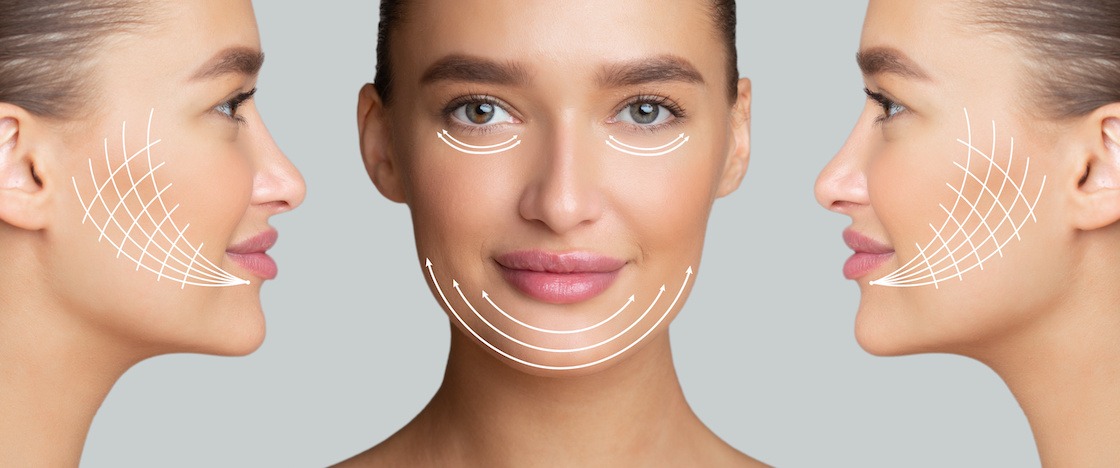
A face lift primarily targets the lower two-thirds of the face and neck to address common concerns like deep wrinkles and sagging skin. By lifting and repositioning the facial tissues, this procedure smooths out nasolabial folds near the mouth and marionette lines around the chin. This surgical approach creates a more refreshed appearance, but it does not stop the aging process.
What Are the Different Types?
Surgeons use several lift techniques, and the best approach depends on an individual’s facial structure, the extent of aging signs, and desired results. Two of the most common types are the traditional face lift and the mini face lift. A traditional lift is a more extensive procedure that addresses moderate to advanced signs of aging around the midface and neck. The incisions are typically made within the hairline at the temples, continuing around the ear and ending in the lower scalp. Through these incisions, a surgeon can reposition deeper facial tissues, and excess skin is removed before the incisions are closed.
A mini lift is a less invasive option with shorter incisions, so it is often suitable for individuals with mild to moderate skin laxity. These incisions are usually made along the hairline and around the ear. Recovery from a mini lift is generally shorter, but the results may be less dramatic than traditional methods. Some other specialized lift techniques include:
- Deep Plane Lift: This technique repositions the muscle layer and skin for more precise results, addressing many facial areas.
- MidFace Lift: This procedure focuses on the cheek area by lifting sagging skin to correct puffiness under the eyes and nasolabial folds.
- Cutaneous Lift: Also known as a skin-only lift, this approach involves removing excess skin without altering the underlying muscle structure. Cutaneous lifts focus on the neck and lower face area.
What Is a Procedure Like?
A face lift procedure is performed by a plastic surgeon with general anesthesia or intravenous sedation. The surgeon makes the planned incisions, carefully lifts the skin, and then sculpts or repositions the underlying tissue. Excess skin is removed, and the remaining skin is draped over the newly repositioned facial contours. Once positioned, the surgeon closes the incisions with sutures or skin adhesives. The surgery can last around four hours, depending on the complexity of the technique used, and your surgeon will inform you about how to prepare for recovery.
Contact a Plastic Surgeon Today
Cosmetic surgery can effectively address signs of aging for many individuals. To learn more about lift procedures, schedule a consultation with a board-certified plastic surgeon. During this visit, you can discuss your aesthetic goals, receive an evaluation, and explore your treatment options. Contact a specialist today, and they can provide personalized recommendations for your needs.