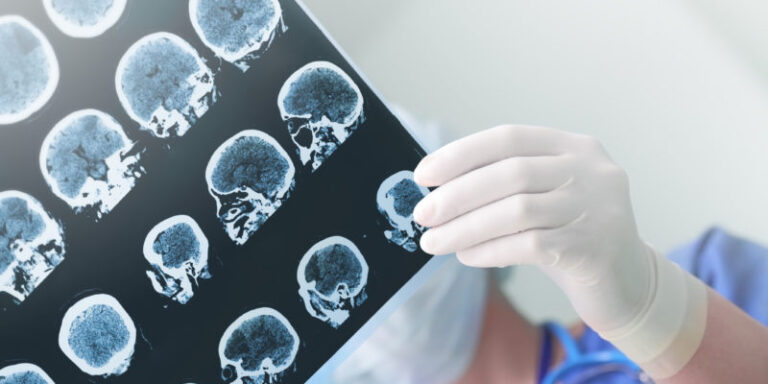

What To Expect From Comprehensive Care in General Neurology
General neurology focuses on the evaluation, diagnosis, and non-surgical management of conditions affecting the brain, spinal cord, nerves, and muscles. Comprehensive care typically includes a detailed medical history review, focused neurologic exams, and a personalized treatment plan. Here’s what to expect from comprehensive care in general neurology:
Connecting the Dots
The initial consultation is a key step in establishing a therapeutic relationship and gathering key information. Your neurologist will begin by asking specific questions about your medical history, family history, and the timeline of your current symptoms. Following the interview, the provider will conduct a neurological examination to assess nervous system function. This physical exam evaluates your mental status, cranial nerves, motor strength, coordination, sensation, and reflexes.
The goal of your first general neurology visit is to formulate a clinical picture that guides future steps. The doctor connects the dots between your subjective report and their objective findings. They will explain their initial impressions and discuss which further investigations are necessary to confirm a diagnosis.
Testing for a Diagnosis
A physical exam provides a strong starting point, but advanced diagnostic tools are often necessary to see inside the nervous system. Common diagnostic procedures used in comprehensive general neurology include:
- Magnetic Resonance Imaging (MRI): This imaging technique uses powerful magnets and radio waves to create detailed images of the brain and spinal cord.
- Computed Tomography (CT) Scan: A CT scan is often used for quick evaluations of head trauma or bleeding.
- Electroencephalogram (EEG): This test records the electrical activity of the brain using small sensors attached to the scalp.
- Electromyography (EMG) and Nerve Conduction Studies: These tests measure the electrical activity of muscles and the speed of nerve signals.
- Lumbar Puncture (Spinal Tap): This procedure involves collecting a small amount of cerebrospinal fluid from the lower back to test for infections, bleeding, or conditions like multiple sclerosis.
These diagnostic tools provide the objective evidence needed to finalize a diagnosis.
Building Your Treatment Plan
Effective management of neurological conditions often requires a multi-faceted treatment approach. While pharmaceutical intervention is a common component, comprehensive care looks at the whole person rather than just the disease. Your neurologist will design a plan that may include medication to manage symptoms or slow disease progression.
Lifestyle modifications are a fundamental component of general neurology treatments. The care team educates patients on how daily habits influence their neurological health. Physical and occupational therapy are also frequently integrated into the treatment strategy. These therapies help patients maintain independence and improve function when they experience mobility issues or muscle weakness.
Monitoring for Long-Term Support
Comprehensive care involves regular follow-up appointments to monitor the condition’s stability and the treatment’s effectiveness. The ongoing care process typically involves the following elements:
- Regular Clinical Evaluations: Routine check-ups allow the provider to track symptom progression, perform repeat neurological exams, and make sure that new issues have not developed.
- Medication Management: The doctor reviews prescriptions regularly to adjust dosages, minimize side effects, and determine if new therapies may be more effective.
- Coordination with Other Specialists: General neurology often intersects with other fields, so your doctor may coordinate with cardiologists, psychiatrists, or pain management specialists to provide holistic care.
- Patient Education and Support: Continuing education empowers patients to recognize warning signs and manage their condition, while support resources help them cope with the emotional aspects of chronic illness.
Consistent monitoring helps prevent complications and allows for timely interventions.
Schedule Your General Neurology Consultation
Navigating a neurological condition requires a knowledgeable team and a structured approach to care. Comprehensive general neurology provides the resources necessary to protect your nervous system health. Contact a qualified neurologist near you to schedule your consultation today.