
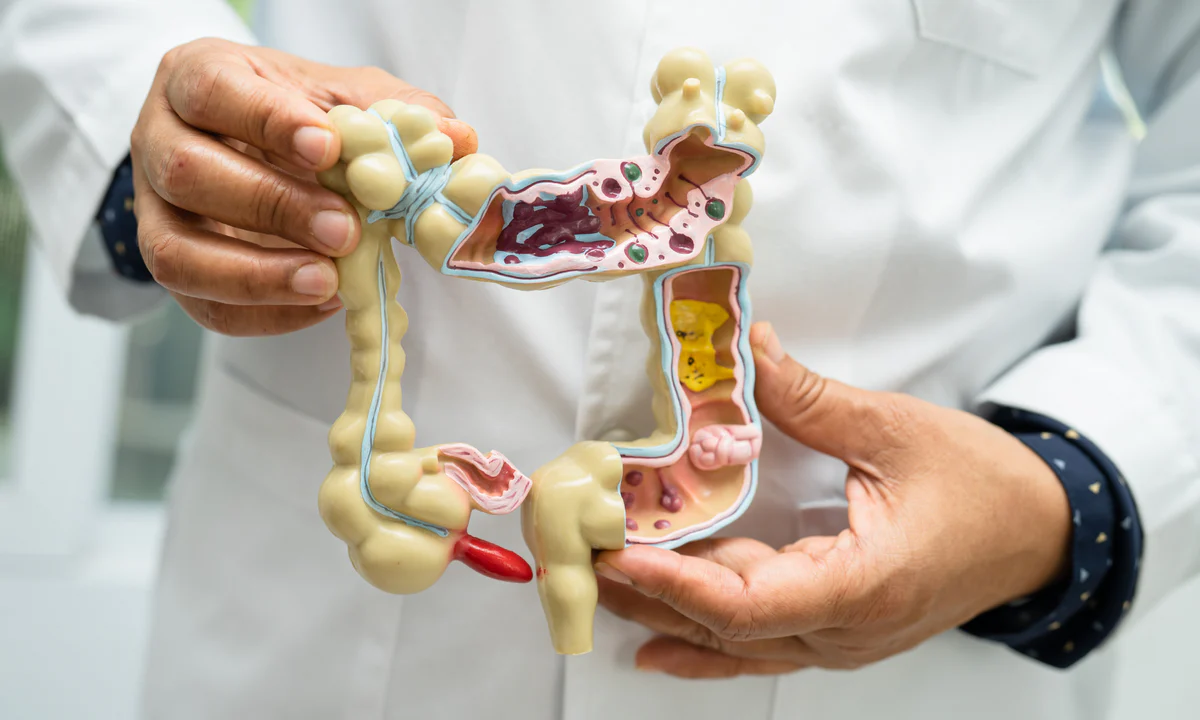
Understanding Your Digestive System and Common Disorders
Your digestive system processes food daily, and it extracts nutrients for your physical survival. Because the tract is complex, problems occur in different sections quite unexpectedly. Many busy individuals dismiss these early indicators of dysfunction within their bodies. You may face complications if you ignore persistent abdominal pain or discomfort repeatedly. Here is more information about typical digestive issues:
Abdominal Cramps
Muscle contractions can cause sharp pain, or you may feel a dull ache in your stomach area. This discomfort typically signals indigestion from a heavy meal. If the pain intensifies quickly, it might indicate a severe blockage or appendicitis. You must monitor the duration, as persistent cramps require professional medical evaluation.
Gastrointestinal Disorders
Gastroesophageal reflux disease creates burning pain because acid moves up into the esophagus. When the lower esophageal sphincter weakens, stomach acid escapes into your throat. This acidic backwash irritates the delicate lining of your throat and chest area. Chronic heartburn damages tissue over time, so you need proper medical management immediately.
Stomach acid damages the digestive tract, so painful sores develop on the stomach lining. Bacteria can cause these gastric ulcers found in many patients. While spicy foods aggravate symptoms, they do not cause digestive issues directly. You feel a burning stomach pain, but medication heals the sores effectively.
Hardened deposits form in the gallbladder, and they block the release of digestive fluids. If a stone blocks a duct, you experience severe abdominal pain. These stones cause sudden pain. Surgery removes the gallbladder, yet digestion continues normally without this organ.
Diarrhea or Vomiting
Viral infections trigger these symptoms, or bacteria contaminate the food you consume. Because fluids leave your system rapidly, electrolyte levels drop to dangerous levels quickly. The body expels harmful toxins. You must replenish fluids immediately, as dehydration significantly complicates the recovery process.
Severe dehydration affects organ function, so you must drink water or electrolyte solutions. If you cannot keep liquids down, intravenous fluids become a necessary medical intervention. Dry mouth may indicate significant fluid loss. Persistent vomiting requires a doctor, and bloody stool signals a serious emergency.
Irritable Bowel Syndrome
Since the exact cause is unclear, treatment focuses on relieving the specific symptoms. This chronic condition affects the large intestine, and it requires long-term management strategies. Triggers include stress and certain foods. Many patients control IBS with diet, yet some require medication for relief.
Symptoms typically include:
- Cramping or abdominal pain
- Excess gas and bloating
- Diarrhea or constipation
- Mucus in the stool
Lifestyle changes may significantly improve the quality of life for individuals with IBS. Simple strategies like eating smaller meals and avoiding trigger foods may help reduce symptoms. While managing IBS can be challenging, combining dietary adjustments with stress management techniques often leads to better outcomes over time.
Get Treated for Digestive Issues
If your symptoms disrupt daily life, our specialists provide the care you need. There are options available if you are living with chronic discomfort, and a proper diagnosis leads to effective recovery. Contact us to schedule an appointment at a medical clinic and start the process today.