
Understanding What an Intensive Outpatient Program for Mental Health Is
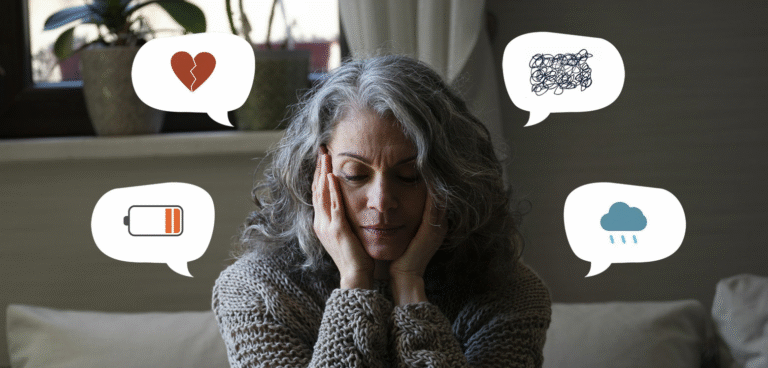
Mental health challenges typically impact daily functioning and quality of life significantly for many individuals. When standard weekly therapy feels insufficient for your needs, an intensive outpatient program offers more support. These programs provide robust clinical support daily, and patients return to their homes each evening. Here is more information about what an intensive outpatient program is, and what it can provide to help:
Structured Therapy
Because a reliable routine fosters mental stability, structured therapy acts as a foundation for the program. Clinical groups typically meet at specific times weekly. Participants attend sessions regularly, and this consistency helps establish healthy, predictable daily habits. Structured plans aim to reduce uncertainty during treatment.
Potential components of structured therapy may include:
- Cognitive behavioral therapy (CBT) sessions to address negative thought patterns.
- Group-focused therapy about shared experiences and peer support.
- Skills-building workshops, such as stress management or emotional regulation.
- Mindfulness-focused exercises to promote mental well-being.
- Individual one-on-one counseling tailored to personal challenges.
Individualized Counseling
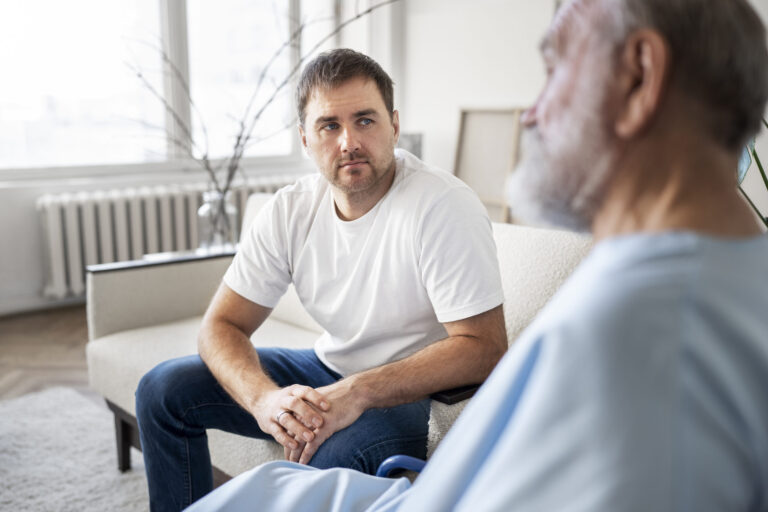
Every person faces unique struggles, so treatment plans must accurately reflect that specific individual’s diversity. Counselors assess your personal recovery goals. While group work is standard, one-on-one sessions address private matters in a secure setting, and individual attention tailors the approach.
Trust develops between therapist and client. As this professional relationship grows, patients typically uncover deep-seated, complex behavioral patterns effectively. This discovery process takes time, but the insights foster lasting and meaningful behavioral change. A team of medical providers can help guide you through this.
If past trauma impacts current behavior, specific therapeutic modalities target those underlying events directly. Therapists guide these difficult conversations professionally. Healing requires facing these issues, and counselors provide a safe environment for that specific work. Progress happens step by step.
Skills-based Psychotherapy
Practical skills are designed to help manage high stress levels. Patients can learn specific coping mechanisms, and they apply them immediately in various real-world scenarios. Since triggers occur in daily life, these tools prevent potential emotional setbacks or relapses. Application of these skills at an intensive outpatient program reinforces the lesson.
While emotions fluctuate naturally, skills such as mindfulness create necessary mental balance and perspective. Emotional regulation typically requires consistent practice daily. You identify negative thought patterns, and then you replace them with logical, positive alternatives. This aims to build resilience over time.
Psychiatric Medication Management
Medication aids many recovery journeys, but it requires careful and ongoing professional monitoring for safety. Doctors evaluate your current prescriptions. Because body chemistry varies, regular adjustments may help optimize the treatment’s overall effectiveness for the patient.
Standard management tasks include:
- Dosage adjustments
- Side effect monitoring
- Medication refills
- Drug interaction reviews
It is helpful to remember that medication alone may not address all aspects of mental health recovery. Regular communication with your healthcare provider ensures that any concerns are addressed promptly, fostering a collaborative approach to treatment. While medications can be highly effective, combining them with therapy or lifestyle changes typically yields more effective results.
Schedule an Intensive Outpatient Program
Sustainable recovery requires the right support system. If you need structured care without inpatient hospitalization, an IOP offers a viable solution. Contact our team today for details, and start your path toward improved wellness immediately. A team of medical professionals can help you get started with an initial consultation to help you learn more about your options.