Understanding the Types of Treatments at a Vein Clinic
Vein clinics are specialized medical facilities, and their teams focus on diagnosing and treating vein-related conditions. These clinics offer a range of procedures performed by healthcare professionals who are experts in venous health. By exploring the treatments available based on your needs, you can help you prepare for a conversation with a specialist. Here is more information about the types of treatments available:
Radiofrequency Ablation Approaches
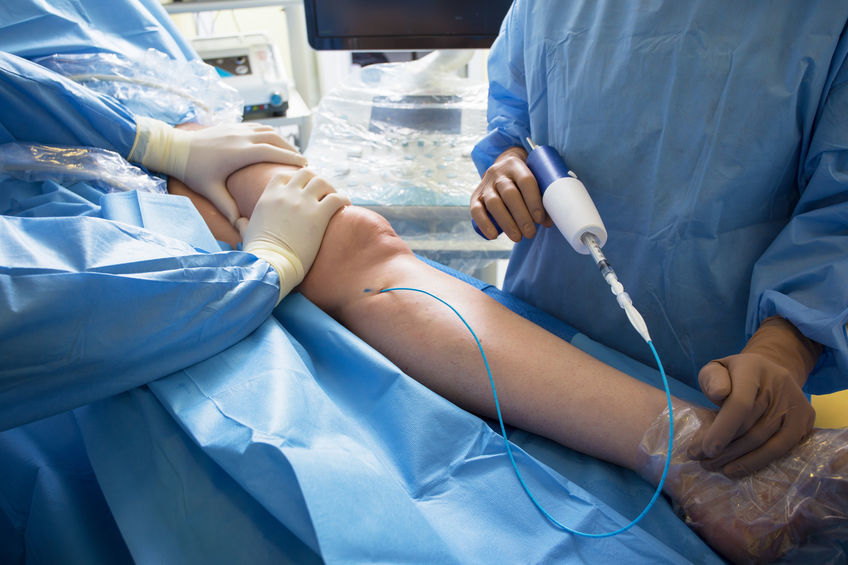
Radiofrequency ablation (RFA) is one method used to close diseased veins, and this technique uses energy to heat the vein wall. A small catheter is inserted into the vein, typically through a tiny incision near the knee. When the catheter delivers energy, the vein collapses and seals shut.
To do this, the procedure is typically guided by ultrasound imaging. This allows the specialist to accurately position the catheter within the targeted vein. The process is precise, and it redirects blood flow to healthier veins nearby. RFA is typically a straightforward, in-office procedure.
Laser Therapies
Laser therapies are a standard approach for addressing concerns at a vein clinic. Endovenous laser therapy (EVLT) is one type of procedure that uses targeted laser energy. A specialist inserts a thin fiber into the vein, and the heat from the laser closes it off. Because the procedure is minimally invasive, it is typically performed in an outpatient setting.
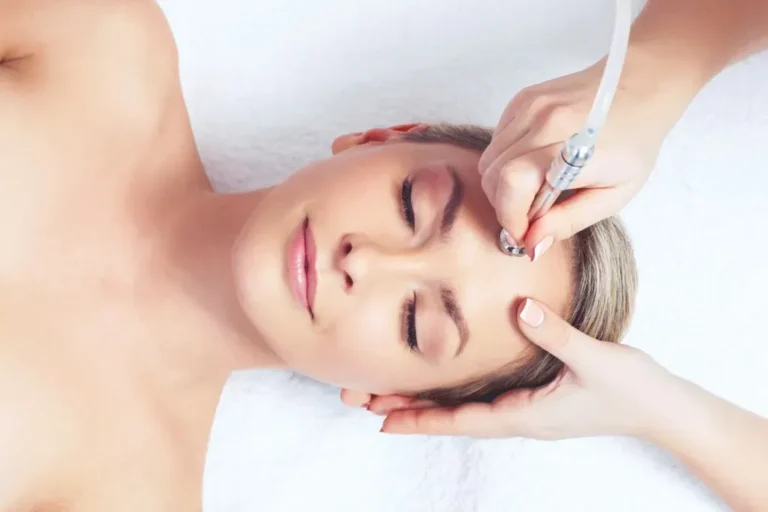
Another form of laser treatment works on the skin’s surface; these treatments are used for smaller spider veins and broken capillaries. A focused beam of light heats the targeted vein from outside the skin. The body then naturally absorbs the treated vein over time, while causing it to fade. This method avoids incisions and is suitable for cosmetic concerns on the legs and face.
The type of laser therapy recommended will depend on the size and location of your veins. Before the procedure, a specialist will map your veins using an ultrasound to determine the ideal course of action. This preparation allows for a precise and targeted treatment plan, and your provider may walk you through what to expect during and after the session.
Sclerotherapy Treatments
Sclerotherapy is a procedure designed to treat spider veins and smaller varicose veins. During the treatment, a specialist injects a solution directly into the vein. This solution irritates the lining of the blood vessel, causing it to swell, stick together, and eventually close. Blood reroutes through healthier veins nearby.
Different types of solutions are available, including:
- Liquid sclerosants
- Foam sclerosants
- Proprietary solutions
Vein Adhesive Treatments
Vein adhesive treatments are a newer option for closing unhealthy veins. This method uses a medical-grade adhesive to seal the main superficial vein that is causing the varicose veins. A specialist introduces a small amount of the adhesive into the vein through a tiny catheter. The vein is then sealed shut, and blood is rerouted to other healthy veins in the leg. This approach is minimally invasive and requires only a small entry point in the skin.
Visit a Vein Clinic Today
Learning about these treatments can help you be more prepared for your first appointment. Each procedure offers a different way to address vein issues, and a specialist can help determine which one is right for you. While this information gives you a starting point, a professional evaluation is an effective way to develop a personalized plan. Schedule a consultation with a vein specialist to discuss your concerns and explore your treatment options.