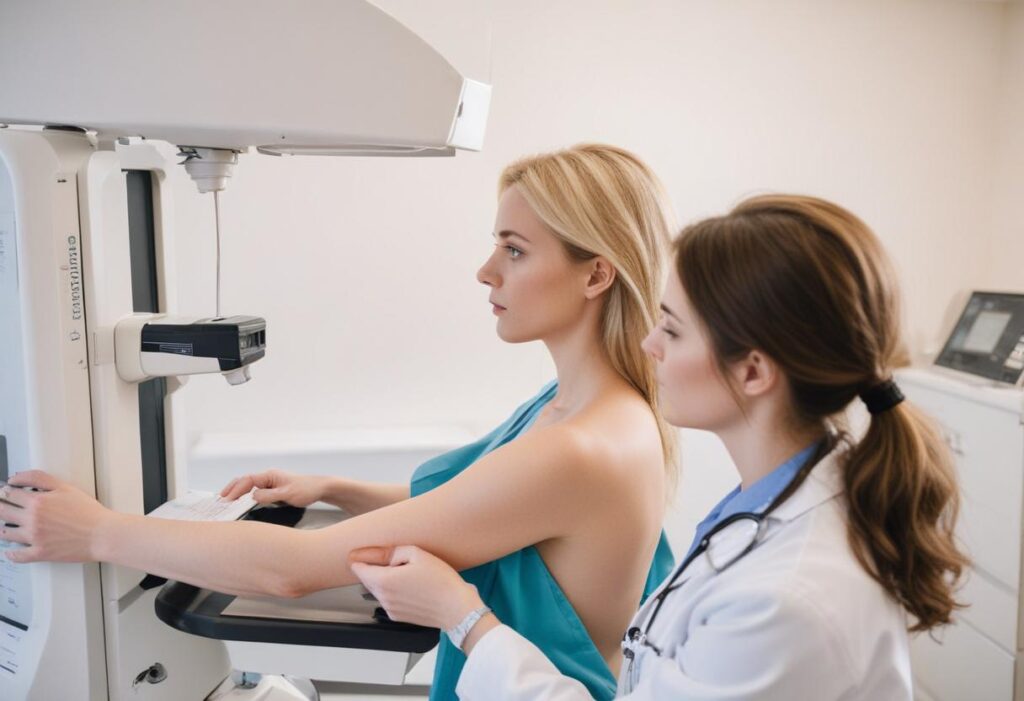
Understanding the Role of Mammograms in Breast Health
A mammogram is a specialized X-ray image of the breast used by doctors to look for early signs of breast cancer. Breast health involves being aware of how your breasts look and feel and understanding your risk factors. Regular screenings, like mammograms, are a part of maintaining breast health, as they can detect lumps or abnormalities long before they can be felt. Many medical organizations recommend that women begin getting mammograms at age 40, though those with a higher risk may need to start earlier.
Prioritizing Breast Health
Breast cancer is one of the most common cancers affecting women worldwide, but early detection significantly improves survival rates. Prioritizing breast health means, in part, staying vigilant about changes in your body and adhering to screening guidelines. A mammogram is a powerful tool in this process because it allows healthcare providers to see inside the breast tissue. When breast cancer is found early, it is easier to treat and has less time to spread.
Preventing Breast Cancer
While a mammogram cannot prevent breast cancer from developing, it is the gold standard for early detection. Finding cancer early often means less aggressive treatment is needed, which can lead to better outcomes. These screenings can identify microcalcifications, which are tiny calcium deposits that sometimes indicate the presence of breast cancer. They also detect masses or distortions in the breast structure that might be too small to feel during a physical exam.
Regular screenings create a history of images that doctors compare over time. This comparison helps radiologists spot subtle changes that could indicate a developing problem. Early detection through regular mammography reduces the risk of dying from breast cancer.
Screening for Breast Cancer
Guidelines for when to start getting mammograms can vary, but most experts agree on general recommendations. Women at average risk of breast cancer should typically begin annual screenings at age 40. Women with a higher risk may need to start earlier or have additional tests.
Factors that increase risk include:
- A personal history of breast cancer.
- A strong family history of breast cancer.
- Certain genetic mutations, such as BRCA1 or BRCA2.
- Having dense breast tissue.
- Previous radiation therapy to the chest.
Discussing your specific risk factors with a doctor helps determine the best screening schedule for you. Some women may benefit from supplemental screening methods, like breast MRI or ultrasound, in addition to mammography.
Protecting Long-term Health
Maintaining breast health involves more than just screenings; lifestyle choices may also play a role. Regular physical activity is a preventative measure for breast cancer. Aim for at least 150 minutes of moderate-intensity exercise each week. Limiting alcohol intake is another protective measure, as alcohol consumption may be linked to an increased risk of breast cancer.
Maintaining a healthy weight is beneficial, especially after menopause. Being overweight or obese after menopause may increase the risk of breast cancer. Breastfeeding may also offer some protection. If you have a baby, breastfeeding them, if possible, can slightly lower your risk.
You should also become familiar with how your breasts normally look and feel. This practice, known as breast self-awareness, helps you notice any changes quickly. Report any changes, such as a new lump, skin dimpling, or nipple discharge, to a healthcare provider immediately.
Learn More About Mammograms
Mammograms are a primary tool for detecting breast cancer early when it is most treatable. Prioritizing breast health through regular screenings and healthy lifestyle choices can save lives. Guidelines suggest most women start screening at age 40, but individual risk factors may change this timeline. If you want to learn more about mammograms and breast health, consult a women’s healthcare provider near you.