Understanding the Role of a Cataract Surgeon in Restoring Vision
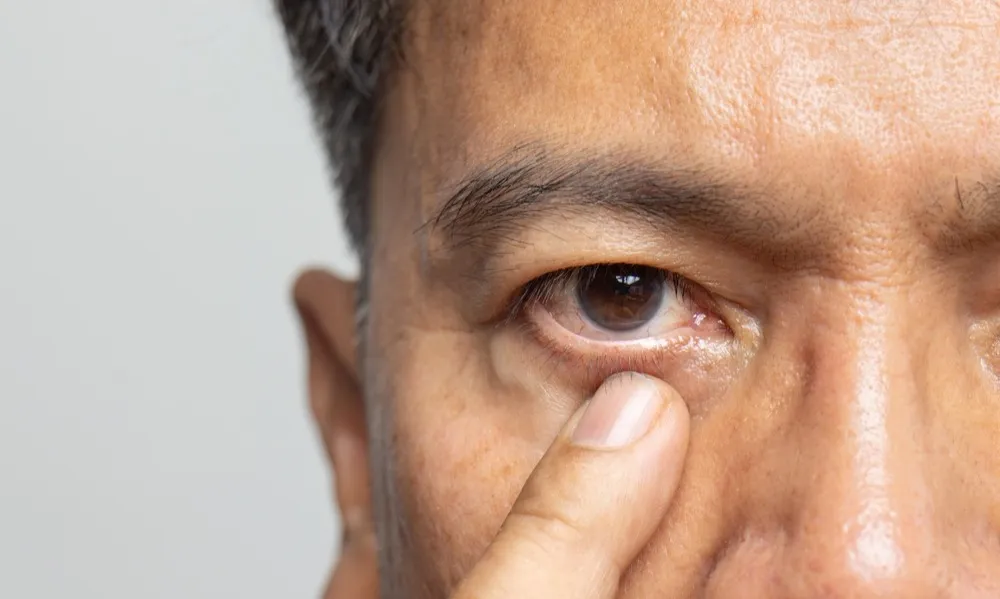
Cloudy vision often develops slowly, which makes it difficult to notice changes in sight until daily tasks become challenging. For many individuals, this gradual blurring is the first sign of a cataract, a condition where the eye’s natural lens becomes opaque. While glasses or contact lenses may help in the early stages, surgery is the only way to remove a cataract once it significantly impacts vision. This is where a cataract surgeon steps in.
What Is Cataract Surgery?
Cataract surgery is a procedure performed to remove the lens of your eye and replace it with an artificial lens. The lens of the eye is normally clear. A cataract causes the lens to become cloudy, which eventually affects vision. An ophthalmologist performs this surgery on an outpatient basis, meaning you do not have to stay in the hospital after the surgery.
The primary goal involves removing the opacified lens that obstructs light from entering the eye properly. Once the surgeon removes the natural lens, they typically implant an intraocular lens. This artificial lens becomes a permanent part of your eye. It requires no care, and you cannot feel it or see it.
What Does a Cataract Surgeon Do?
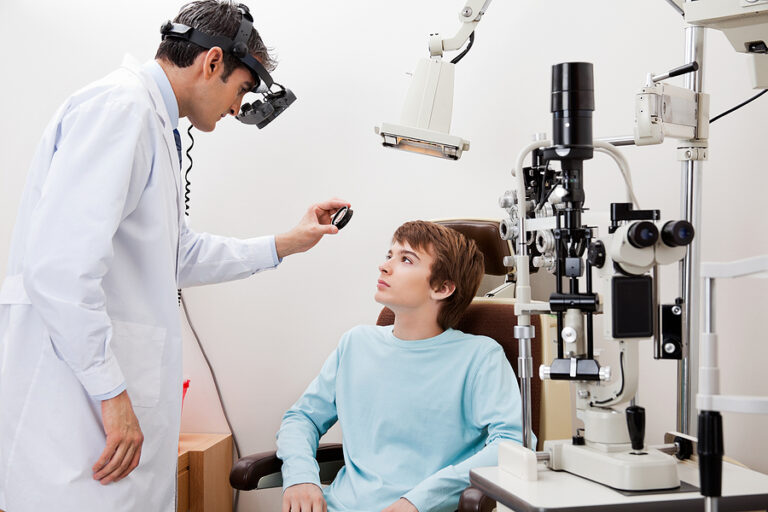
Before any procedure takes place, a comprehensive consultation occurs. This meeting allows the cataract surgeon to evaluate the health of your eyes and determine if surgery is the appropriate next step. The surgeon will review your medical history and perform a thorough eye examination. This exam goes beyond a standard vision check.
Your surgeon will also assess if both eyes require surgery. If you have cataracts in both eyes, doctors may schedule two separate surgeries. This spacing allows the first eye to heal before operating on the second one. The consultation serves as a planning phase, and aligns the surgical approach with your specific anatomical needs and lifestyle preferences.
What Does Surgery Involve?
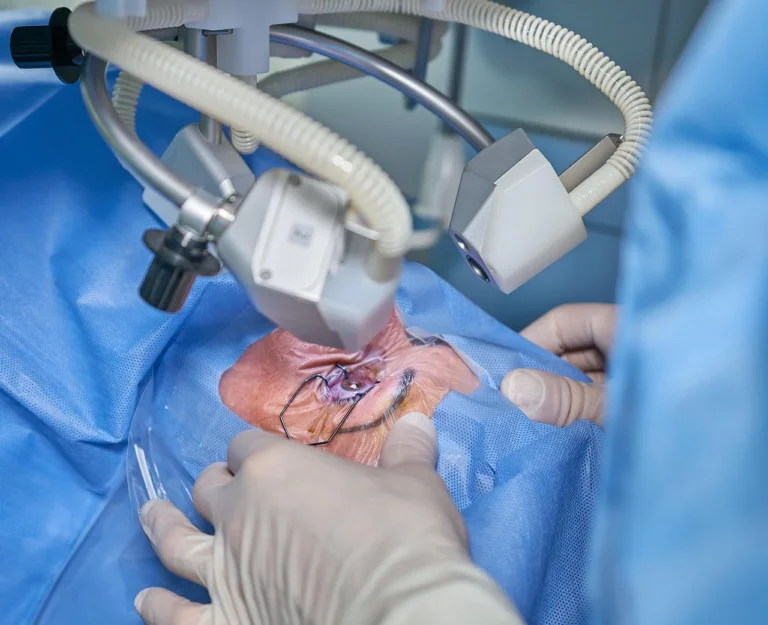
On the day of surgery, the medical team prepares you for the procedure. You will likely receive a local anesthetic to numb the area, and some patients also receive a sedative to help them relax. The surgery itself is generally brief, often taking less than an hour. The surgeon makes a tiny incision in the front of the eye. Through this small opening, they insert a small tool to break up the cloudy lens into pieces and gently suction them out. After removing the natural lens, the surgeon inserts the new artificial lens through the same incision.
Recovery can involve using prescribed eye drops, preventing infection, and controlling inflammation. Most people notice an improvement in vision within a few days, though complete healing can take up to eight weeks. Follow-up appointments allow the surgeon to monitor progress and verify that the eye is healing correctly.
Speak Further With a Surgeon
Taking the step to address vision changes requires gathering accurate information and finding a qualified professional. A direct conversation allows for a personalized assessment of your eye health. They can explain specific risk factors related to your medical history and clarify realistic expectations for visual outcomes. If you notice symptoms like clouded vision, sensitivity to light, or difficulty seeing at night, scheduling an appointment is the recommended path forward.