Understanding Key Life Stages in Women’s Health
Women’s health evolves through a series of distinct stages, and each stage brings unique physical and hormonal changes. Understanding these phases allows for better preparation and management of your well-being over time. From adolescence to post-menopause, your body’s needs shift, and recognizing these transitions helps you navigate your health with awareness. Here is more information about key life stages in womens health:
Adolescent Stage
Adolescence marks the beginning of significant physical development, and it introduces changes that will continue for years. This period starts with puberty, which brings about the onset of menstruation. When you understand the menstrual cycle, you can better manage symptoms and recognize what is typical for your body.
Reproductive Years
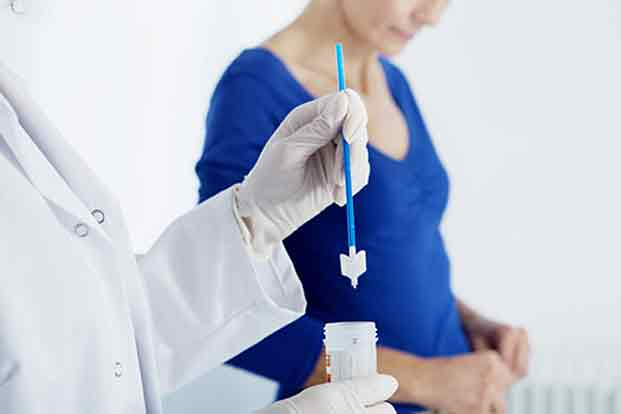
This stage typically spans from adulthood into the early 40s. During these years, many women focus on family planning, pregnancy, and childbirth. Managing health involves regular gynecological exams, and this allows patients to make informed choices about contraception and reproductive goals.
While fertility is a central aspect of this stage, general health remains a priority. Bone density reaches its peak, so maintaining a balanced lifestyle supports long-term womens health. You establish habits during this time, and these habits may influence your well-being in later life stages. Your body experiences many changes throughout these years.
Maintaining consistent health screenings is beneficial, as it helps monitor for any developing conditions. Regular check-ups allow you to discuss your health with a provider, and this enables them to address any concerns. This proactive approach supports your overall health throughout the reproductive period.
Perimenopause
Perimenopause is the transitional period leading up to menopause, and it can start in your 30s or 40s. Hormone levels may begin to fluctuate and decline, leading to various physical and emotional symptoms. You might notice changes in your menstrual cycle. For many, these changes signal your body’s shift toward the next phase.
Experiences during perimenopause include:
- Irregular periods
- Hot flashes
- Ongoing sleep disturbances
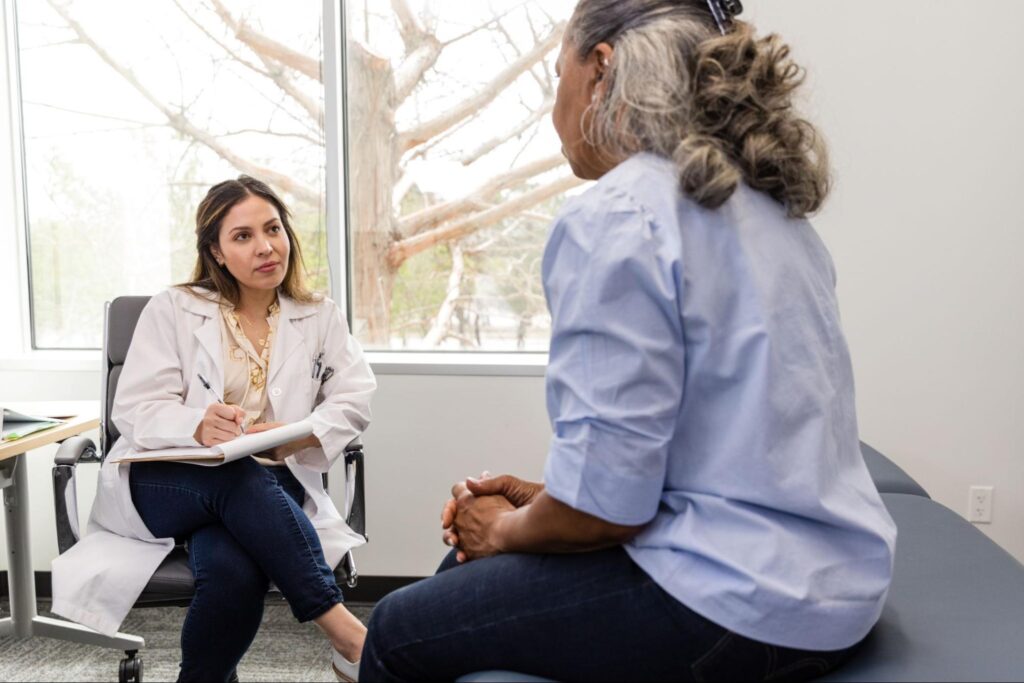
Tracking your symptoms helps you have productive conversations with your healthcare provider. While each person’s experience with perimenopause is unique, understanding the patterns of your symptoms and maintaining a healthy lifestyle, including regular exercise and a balanced diet, can significantly ease the transition and improve overall well-being.
Menopause
Menopause is officially diagnosed after you have gone 12 consecutive months without a menstrual period. This phase marks the end of your reproductive years, and your ovaries have stopped releasing eggs. Most women reach menopause between the ages of 45 and 55.
After menopause, your body produces much less estrogen, which can affect bone health and cardiovascular wellness. Your health focus shifts toward managing postmenopausal symptoms and maintaining long-term wellness. A healthcare provider can offer guidance on navigating this stage, which involves adapting to your body’s new normal.
Find Womens Health Services
Navigating the different stages of life requires awareness and support. Your health needs will change over time, so staying informed is a practical step toward managing your well-being, and a healthcare provider is your partner. If you are looking for guidance tailored to your specific life stage, explore available women’s health services and schedule a consultation at a clinic today.