Tips for Treating Acne
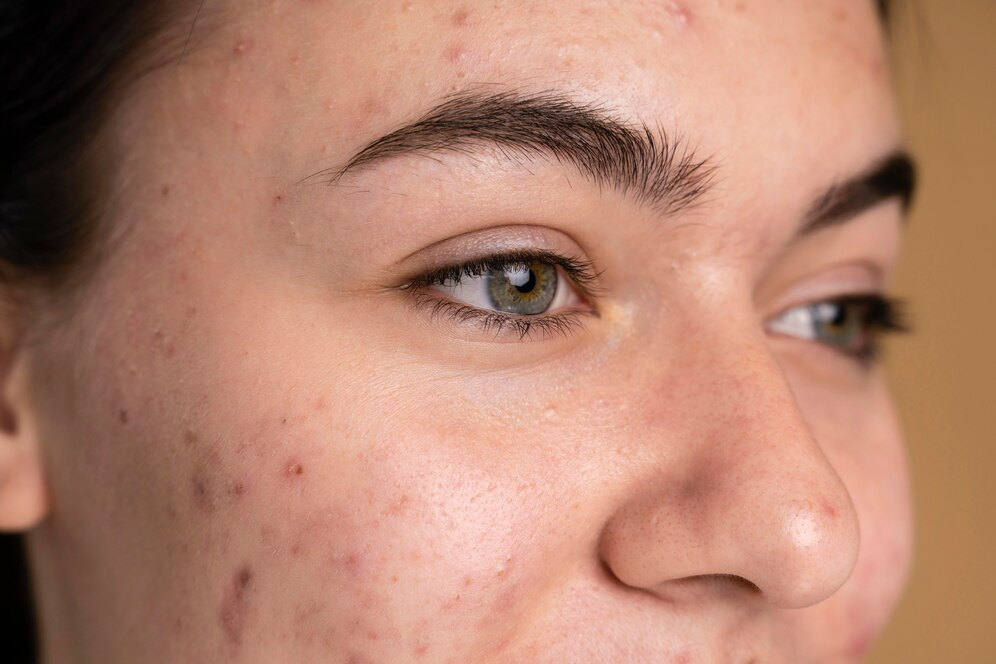
Acne is one of the most common dermatological conditions, affecting individuals across various age groups and skin types. Acne, characterized by clogged pores, inflammation, and breakouts, can affect both physical comfort and self-confidence. Effective management requires a clear understanding of contributing factors, including hormonal changes, skincare habits, and environmental triggers.
Daily Skincare Routine Optimization
A consistent skincare routine is the foundation of effective acne treatment. Using the right products and techniques helps control oil, unclog pores, and reduce inflammation. Cleanse your face twice daily with a mild, non-abrasive cleanser. Avoid harsh scrubbing, as it irritates the skin and worsens breakouts. Instead, use lukewarm water and gentle circular motions. Pat your skin dry with a clean towel.
Always choose non-comedogenic or oil-free products for moisturizers, sunscreens, and makeup. These products won’t clog your pores. Moisturizer is key to maintaining your skin’s protective barrier, even for oily skin.
Prescription Treatments for Acne
When over-the-counter options aren’t enough, prescription medications do deliver stronger results. Your dermatologist will recommend treatments based on your specific acne type and severity.
- Topical retinoids unclog pores: Prescription-strength tretinoin increases cell turnover. This helps prevent clogged pores and is great for blackheads and whiteheads.
- Antibiotics control bacteria and inflammation: Antibiotics help reduce the bacteria that cause inflammatory acne. They may be prescribed for moderate to severe breakouts.
- Hormonal therapies address underlying causes: Hormonal acne in women can be treated with birth control pills. These medications help regulate hormones and reduce breakouts on the jawline.
- Isotretinoin treats severe cases: Isotretinoin is a powerful medication for severe, cystic acne. It requires careful monitoring by a dermatologist due to potential side effects.
Lifestyle & Dietary Considerations
Skincare products and medications are necessary for treating acne, but lifestyle habits also affect your skin’s health. Pay attention to your diet, as certain foods, such as high-glycemic options or dairy, may trigger breakouts for some people. Keeping a food diary helps you identify triggers, and a healthcare provider or nutritionist will guide you in making effective changes. Managing stress is also key, as stress worsens breakouts by causing hormonal shifts.
Regularly clean items that come into contact with your face, like pillowcases, towels, and makeup brushes. Wipe your phone screen daily and avoid pressing it directly against your face during calls. Staying hydrated and getting 7-9 hours of sleep each night are also necessary for healthy skin. Sleep allows your body to repair and regenerate skin cells, while drinking plenty of water supports overall skin hydration.
Scarring & Skin Damage Prevention
Treating active acne is only part of the equation. Taking steps to prevent scarring and maintain healthy skin in the long term will give you the best results.
- Treat breakouts early: Start treating acne as soon as possible to prevent scarring. Early treatment reduces the risk of permanent skin damage.
- Avoid picking and squeezing: Picking at acne increases the risk of scarring. Laser therapy and microneedling reduce scarring and boost collagen production, so avoid them. Let a dermatologist handle cysts or nodules safely.
- Protect your skin from sun damage: Sun exposure darkens acne scars, making them more noticeable. Use sunscreen consistently to prevent hyperpigmentation and protect your skin.
Book an Acne Appointment Today
Managing acne requires a comprehensive approach that combines proper skincare, appropriate treatments, and healthy lifestyle habits. If you’re struggling with acne that won’t improve with home care, or if you’re concerned about scarring, reach out to a board-certified dermatologist. They will assess your skin condition, identify the type of acne you’re experiencing, and create a personalized treatment plan tailored to your needs.