
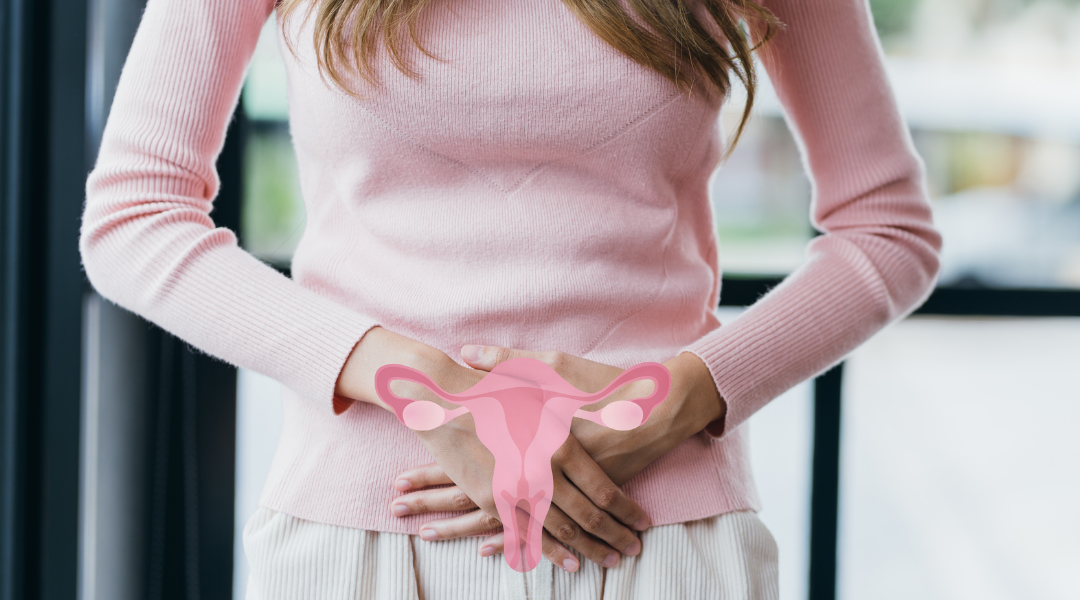
Tips for Managing PCOS Symptoms Effectively
Polycystic Ovary Syndrome (PCOS) is a hormonal condition that affects women during their reproductive years, presenting a range of symptoms. Managing these symptoms benefits from an approach adapted to individual needs. It can be helpful to explore strategies you can incorporate into your routine to address the effects of PCOS.
Balance Your Hormones
Hormonal imbalances are a part of PCOS, but lifestyle changes can support your body’s natural regulatory systems. Working together with a healthcare provider to understand your hormonal profile is a first step. This personalized approach can help identify effective ways to manage the condition.
Dietary choices and steady sleep patterns play a role in how your body regulates hormones. Establishing a structured daily routine helps manage PCOS symptoms. Small, sustainable changes may lead to long-term progress in overall health.
Nourish Your Body
The food you consume can influence how your body responds to PCOS. A balanced diet focused on whole foods, including lean proteins, healthy fats, and complex carbohydrates, can support blood sugar levels. Including a variety of nutrient-dense foods helps provide the vitamins and minerals your body needs to function correctly. You could concentrate on items such as:
- Leafy greens and colorful vegetables
- Whole grains like oats and quinoa
- Lean protein sources like chicken, fish, and legumes
Planning meals in advance simplifies sustaining a supportive diet. This preparation helps you make consistent choices throughout the week.
Move With Purpose
Regular physical exercise is a beneficial component of managing PCOS symptoms. Exercise works to improve the body’s insulin sensitivity and support a healthy weight, both of which are relevant to this condition. Activities like brisk walking, swimming, or cycling are effective options, and you can choose something you enjoy to promote consistency. Strength training is also valuable because building muscle mass helps improve your metabolic rate.
Manage Daily Stress
Chronic stress may worsen hormonal imbalances, making stress management a useful tool. Techniques that help calm the nervous system, such as deep breathing exercises or mindfulness practices, can be integrated into your daily routine. You might find that spending a few minutes each day on a relaxing activity helps reduce overall tension. Finding a sustainable stress-reduction practice is a personal process, but its effects can be quite positive.
Track Your Symptoms
Tracking your symptoms provides you and your healthcare provider with valuable information that can help you and your healthcare provider recognize patterns or triggers. This allows for more informed adjustments to your management plan. Document the following:
- Your menstrual cycle
- Energy levels
- Mood changes
- Other physical symptoms
Try using a simple notebook or a dedicated app to maintain consistent records.
Take Charge of PCOS Today
Managing PCOS is an ongoing process that involves a commitment to consistent, positive lifestyle habits. By focusing on diet, exercise, stress reduction, and careful symptom tracking, you can actively participate in your own well-being. These strategies provide a system for addressing the various aspects of this condition. To develop a management plan that is right for you, talk to a healthcare professional.