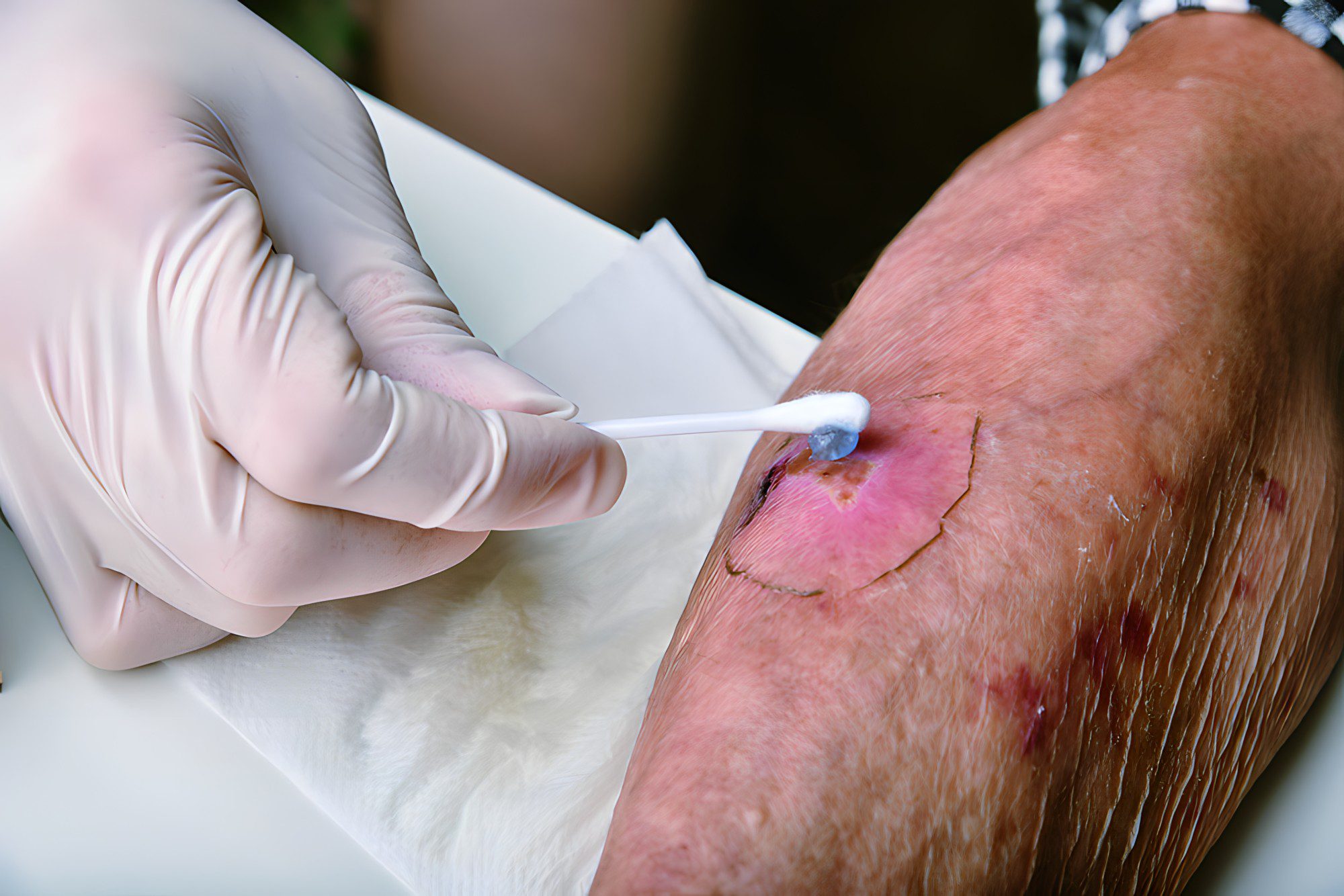
The Role of Proper Wound Care in Preventing Infections
The skin acts as the body’s primary barrier against pathogens, and any break in this protective layer introduces the risk of infection. When a wound fails to heal within a predictable timeframe, it becomes a chronic condition that requires specialized medical attention. Understanding the mechanisms of wound healing and the principles of proper care helps patients manage their recovery effectively. Here is more information on chronic wounds and proper wound care:
What Are Chronic Wounds?
Chronic wounds are defined as injuries that do not progress through the normal stages of healing in an orderly and timely manner. A typical cut or scrape heals within weeks, while chronic wounds may persist for months or even years without showing signs of improvement. This stagnation often occurs because the wound remains stuck in the inflammatory phase of healing.
Wound care for chronic cases differs from standard first aid because it requires addressing the underlying physiological issues that prevent closure. These wounds sometimes produce excessive fluid, which can damage the surrounding healthy skin and create a breeding ground for bacteria. Successful treatment requires a comprehensive approach that takes into account both the local wound environment and the patient’s overall health.
What Causes Them?
Vein disease, or venous insufficiency, stands as a primary cause of chronic wounds on the lower legs. When the veins struggle to return blood to the heart, pressure builds up in the legs, and this causes fluid to leak into the surrounding tissue. This swelling impairs the delivery of oxygen and nutrients to the skin, making it fragile and prone to breakdown.
Artery disease, specifically peripheral artery disease (PAD), also leads to chronic non-healing wounds. In this condition, narrowed arteries restrict oxygen-rich blood flow to the extremities; this deprives tissues of the oxygen they need for repair. Without adequate blood supply, even minor injuries can rapidly deteriorate into serious ulcers that are resistant to standard treatments.
What Is Proper Wound Care?
Proper wound care involves a systematic approach to cleaning, dressing, and monitoring an injury to facilitate healing. It goes beyond simple bandage application to include managing tissue health, moisture balance, and infection control. Medical professionals tailor these care plans based on the specific type of wound, its location, and the underlying cause. The primary goal is to convert a chronic, stalled wound into an acute healing wound; this transformation often requires removing dead or infected tissue that physically obstructs new cell growth.
What Does It Involve?
Debridement is a standard procedure used to remove necrotic or infected tissue from the wound bed. This process helps expose healthy tissue, which signals the body to restart the healing cycle. Following debridement, specialized dressings are applied to absorb excess fluid while maintaining the necessary moisture for cell migration. Compression therapy applies controlled pressure to the legs, and compression stockings or wraps help reduce swelling and improve blood return to the heart.
What Are the Benefits?
A valuable benefit of adhering to a strict wound care regimen is the reduction of infection risk. By keeping the wound clean and covered, patients prevent external bacteria from entering the bloodstream and causing sepsis. Consistent care also promotes faster closure rates, and this helps reduce pain and improve the patient’s overall quality of life. As the wound heals, mobility may improve, allowing individuals to return to their daily activities without chronic pain.
Prevent Infection Now
Prioritizing wound hygiene and following a specialist’s instructions are effective ways to avoid complications. If you notice signs of infection, such as increased redness, warmth, or drainage, contact a vascular specialist immediately for evaluation. They will assess your condition and provide treatment.