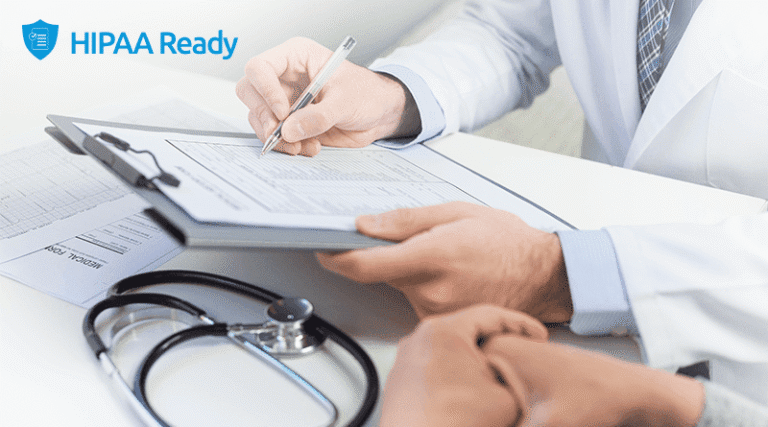

The Role of Primary Care Physicians in Preventive Health
Primary care physicians serve as the first point of contact in the healthcare system for most patients, and they treat a wide variety of medical conditions. While they treat acute illnesses such as infections, their work also focuses heavily on preventing diseases before they start. A doctor assesses a patient’s risk factors during regular check-ups, which helps them create a personalized plan for long-term wellness. Here is more information about the role of primary care physicians:
Performing Vaccinations
Vaccines protect individuals from serious infectious diseases throughout their lives. Your primary care physician maintains a record of your immunization history, and they administer boosters when necessary. When needed, the following vaccines may be available:
- Influenza
- Tetanus and diphtheria
- Pneumococcal
- Shingles
Staying up to date on these shots helps to prevent outbreaks in the community. You protect vulnerable populations when you receive your vaccinations on time. While some people believe vaccines are only for children, adults need protection from preventable diseases too.
Providing Screenings
Medical screenings detect health issues early when treatment may be more effective. Your doctor will typically review your age, gender, and family history to determine which tests you need. High blood pressure may have no symptoms, so regular checks are the only way to find it. Many conditions remain silent for years, but routine screenings uncover them before they cause significant damage.
Cancer screenings represent a major part of preventive care. Physicians order mammograms, colonoscopies, or pap smears based on established medical guidelines. If a test result comes back abnormal, the primary care physician explains the findings and discusses the next steps immediately. Early detection typically leads to simpler treatments, and it might improve the likelihood of a positive outcome.
Blood tests check for cholesterol levels and diabetes markers. High cholesterol clogs arteries over time, yet simple lifestyle changes might lower it effectively. Your doctor interprets these numbers in the context of your overall health profile. When patients understand their numbers, they make better decisions about their daily habits and diet.
Providing Referrals
Sometimes a health issue requires specialized knowledge or equipment. Physicians identify when a condition falls outside their general scope of practice. They write referrals to specialists such as cardiologists, dermatologists, or orthopedic surgeons who have advanced training in specific areas. This coordination streamlines care, and it prevents patients from seeing unnecessary providers.
Monitoring Chronic Disease
Managing long-term conditions requires consistent medical oversight. A physician tracks the progress of diseases like diabetes, heart disease, and asthma. If a patient’s condition changes, the doctor adjusts medications or suggests new therapies. Uncontrolled chronic diseases lead to severe complications, but regular monitoring keeps these risks manageable.
Doctors educate patients on how to handle their conditions at home. You learn how to check your blood sugar or use an inhaler correctly during these visits. Because self-management plays a huge role in outcomes, this education empowers patients to take control of their daily health.
Visit a Primary Care Physician
Establishing a relationship with a doctor creates a foundation for lifelong health. Regular visits allow your physician to track changes in your body over time. When you have a trusted medical partner, navigating the healthcare system becomes much less stressful. Schedule an appointment with a primary care provider today to discuss your preventive health needs.