
The Role of Physical Therapy in Alleviating Herniated Disc Symptoms
A herniated disc occurs when the soft, jelly-like center of a spinal disc pushes through a tear in the tougher exterior casing. This condition frequently irritates nearby spinal nerves, and it results in sharp pain, numbness, or weakness in an arm or leg. While many individuals find significant relief through non-surgical physical therapy methods, the process focuses on symptom reduction. Here is more information about the role of physical therapy for a herniated disc:
Reducing Pain
Managing discomfort allows patients to participate fully and actively in their prescribed rehabilitation program. Therapists can apply ice or heat packs, and these are designed to reduce inflammation or relax tight muscles effectively. Since electrical stimulation also disrupts pain signals, it may enable therapeutic movement.
Teaching Exercises
Physical therapists can design specific, customized workout plans that target the deep muscles surrounding the spine and abdomen. A strong core supports the back by stabilizing the spinal column, so these muscles must engage properly to reduce strain on the injured disc. You may learn specific movements to safely stabilize the lower back, as these exercises build a foundation for long-term spinal health.
Gentle stretching techniques aim to alleviate the chronic tension that accumulates in the back muscles as a reaction to pain. Tight hamstring muscles pull relentlessly on the pelvis, and this creates extra stress on the lower lumbar spine. Because muscle tightness leads to nerve compression, consistency produces long-term flexibility improvements that aim to protect the spine from future injury.
Proper posture remains a fundamental component of recovery for spinal health. Slouching compresses the discs unevenly, but correct alignment distributes weight effectively across the entire spine. When you maintain neutral spine alignment during daily activities, you may minimize the risk of aggravating the herniation significantly.
Performing Therapeutic Massage
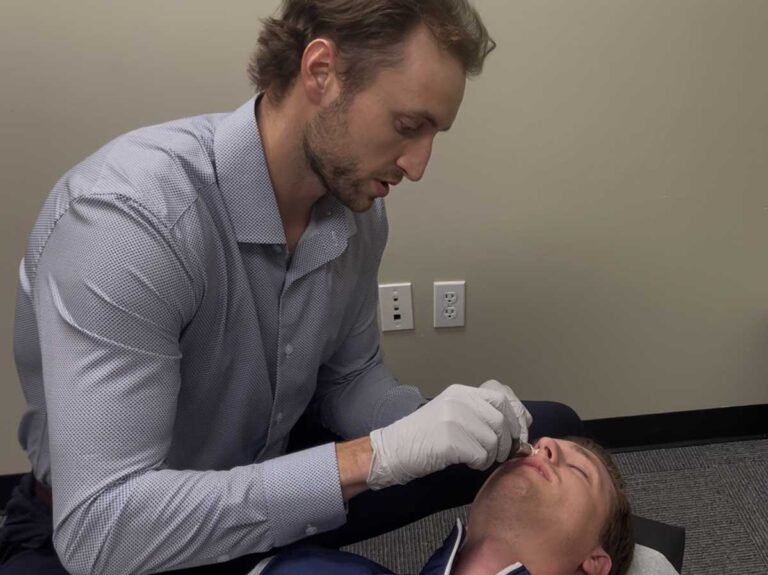
Deep tissue massage relaxes muscles that spasm involuntarily due to the intense pain of a herniated disc. This manual therapy increases blood flow to the affected area, and it promotes healing by delivering oxygen and nutrients to damaged tissues. Therapists target specific trigger points carefully. They apply pressure to release tension spots.
- Deep tissue manipulation
- Myofascial release techniques
- Trigger point therapy
Easing Nerve Pressure
Nerve compression causes the sharp, shooting pain associated with this condition, which radiates painfully down the limbs. Therapists might utilize manual traction techniques during sessions, and they gently stretch the spine to create space between compressed vertebrae. This process aims to relieve immediate pressure on the nerve root, while space allows the disc to retract naturally.
Nerve gliding exercises mobilize the nerves safely. These specific movements allow the nerve to move freely through the surrounding tissues, but they do not strain the injured disc tissue. Because scar tissue sometimes traps nerves after an injury, these specific glides prevent adhesions that restrict natural movement. The exercises reduce sensitivity in the affected limb.
Treat a Herniated Disc
Recovery requires dedication to the prescribed physical therapy regimen, although results vary by individual circumstances. You possess the ability to improve your quality of life. Contact a pain specialist today to schedule an evaluation, and they can create a personalized plan for your recovery.