The Role of Foot Care for Individuals With Plantar Fasciitis
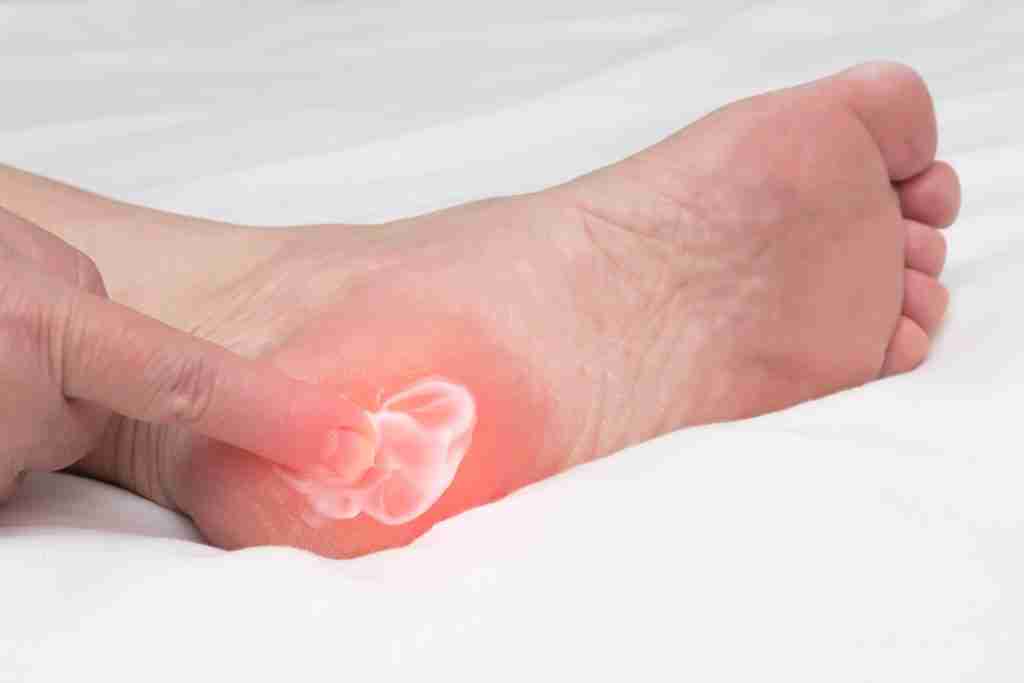
Plantar fasciitis involves inflammation of the thick band of tissue connecting your heel bone to your toes. You may feel stabbing pain near your heel, and it often hurts most when you first get up in the morning. While rest sometimes eases symptoms at first, discomfort tends to return until you address the issue with dedicated foot care. Here is more information about the role of foot care for people with this condition:
Preventing Chronic Pain
Symptoms may start as a mild ache but can steadily worsen and become chronic if you ignore them. Early and focused care may help to reduce the risk of ongoing discomfort, and daily attention to your feet supports mobility for years to come. In many cases, feet absorb a significant amount of physical stress.
Following these actions goes a long way to relieve symptoms:
- Resting frequently
- Applying ice packs
- Elevating the feet
Teaching Stretches and Exercises
Tight calf muscles pull significantly on the plantar fascia, which is the sensitive band of tissue under your foot. Stretching relieves this tension effectively, and it releases the pressure you feel near your sore heels. Perform gentle stretches when you wake up before taking your first steps.
Because weak arches contribute to heel pain, strengthening exercises may add needed stability to your stride. Try “towel scrunches” with your toes or pick up marbles using your feet. These small actions help build muscle resilience, and you can make them part of your daily routine.
Commitment is needed for these routines to be helpful. If you practice the stretches and exercises consistently, progress becomes more likely, and you lower your risk for flare-ups. Stop if pain becomes sharp since pushing through severe discomfort might trigger further injury.
Providing Orthotics
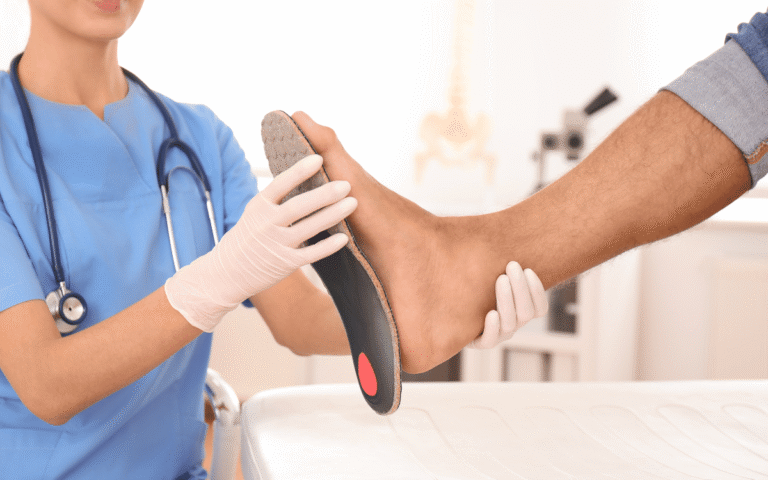
Many standard shoes do not offer enough arch support for someone living with plantar fasciitis. Custom orthotic inserts are designed to fit your unique foot shape, and they create better weight distribution across the soles. These differences in support can protect you from further irritation during daily activities.
While generic shoe inserts work for some, custom-made orthotics typically bring better results if pain is severe or persistent. Specialists such as podiatrists design these devices according to the structure of your foot. They also tend to last longer than store-bought options, and this may foster a greater sense of stability for those who walk often.
Recommending Injections or Medications
Oral medications are used to reduce inflammation for some people with plantar fasciitis, but not every situation responds the same way. If your pain continues despite other steps, a healthcare provider may recommend corticosteroid injections or prescribe stronger anti-inflammatory medication. These treatments involve medical expertise, so speak with a professional to receive guidance tailored to your health.
Get Treated for Plantar Fasciitis
Since foot health affects many aspects of daily life, do not ignore persistent heel pain. Effective treatment plans address both pain and function, and seeking help may support your mobility and help prevent future injuries. Contact a foot and ankle clinic today for a thorough evaluation and start the process.