The Role of Family History in Glaucoma Risk Assessment
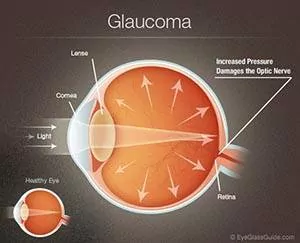
Glaucoma represents a group of eye diseases that can lead to significant vision loss. Many people develop the condition without any initial warning signs, and damage occurs silently over time. The optic nerve transmits visual information from the eye to the brain, and glaucoma damages this connection. Regular appointments with the eye doctor help with preventative measures.
Understanding Glaucoma Symptoms
Glaucoma is a condition that damages the optic nerve, which is helpful for good vision. This damage is often caused by abnormally high pressure in your eye. It is one of the leading causes of blindness for people over the age of 60. Blindness from glaucoma can often be prevented with early treatment. The most common form has no warning signs. You might not notice a change in vision until the condition is at an advanced stage. Different types of glaucoma present different symptoms. Open-angle glaucoma, the most common form, develops slowly and initially affects peripheral vision. Acute angle-closure glaucoma presents sudden symptoms like severe headaches, eye pain, and blurred vision. If you experience sudden visual disturbances, you should seek immediate medical attention, as this could indicate a medical emergency.
Diagnosing The Condition
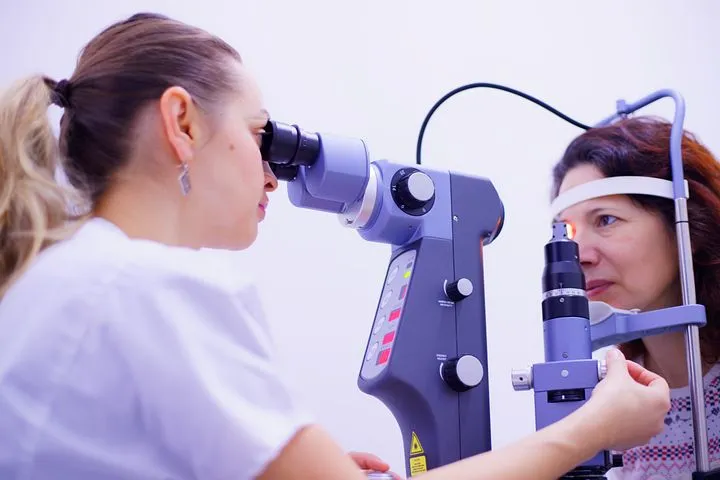
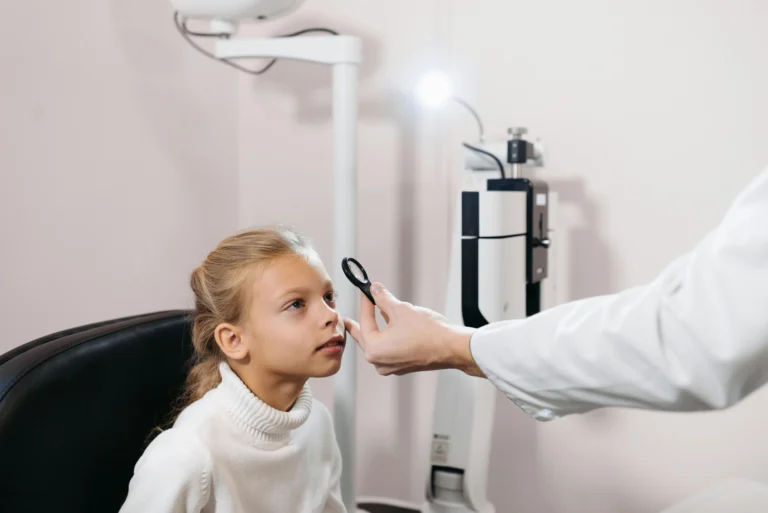
Eye care professionals use several tests to diagnose glaucoma accurately. A comprehensive eye exam is the primary method for detection. During this exam, the doctor measures your intraocular pressure using tonometry. This test is quick and generally painless. Doctors also examine the eye’s drainage angle, and they assess the optic nerve for damage. Visual field testing checks for peripheral vision loss, which is often the first sign of glaucoma.
Early diagnosis allows for more effective management of the disease. Regular screenings help if you have a family history of the condition. Doctors may also measure the thickness of your cornea, as thin corneas are a risk factor. These diagnostic tools provide a complete picture of your eye health. When these tests are combined, they allow the doctor to create an appropriate treatment plan.
Treating Glaucoma Effectively
The damage caused by glaucoma cannot be reversed. However, treatment and regular checkups can help slow or prevent vision loss, especially if you catch the disease in its early stages. The goal of treatment is to lower eye pressure. Depending on your situation, your options may include prescription eyedrops, oral medications, laser treatment, surgery, or a combination of these.
Eyedrops are often the first step in treatment. They work by either improving how fluid drains from your eye or by decreasing the amount of fluid your eye makes. If eyedrops alone do not bring your eye pressure down to the desired level, your doctor may prescribe an oral medication. Laser therapy and various surgical procedures can improve drainage within the eye. While these treatments are effective, ongoing monitoring helps; attend all follow-up appointments.
Find a Clinic
Understanding the risk factors associated with glaucoma helps preserve vision. Family history plays a significant role in assessing an individual’s likelihood of developing the disease. Although the damage is irreversible, early intervention can prevent further deterioration. Regular comprehensive eye exams remain the best defense against this silent condition. By staying informed and proactive, patients can manage their eye health effectively. Find a clinic near you to make an appointment.