
The Role of a Cardiologist in Managing Heart Disease
A cardiologist is a physician specializing in the cardiovascular system, including the heart and blood vessels. These doctors diagnose, treat, and help manage conditions affecting this system. Their expertise spans a range of cardiac disorders, and their medical training enables them to interpret diagnostic tests and recommend various management options suited to individual needs.
What Is Heart Disease?
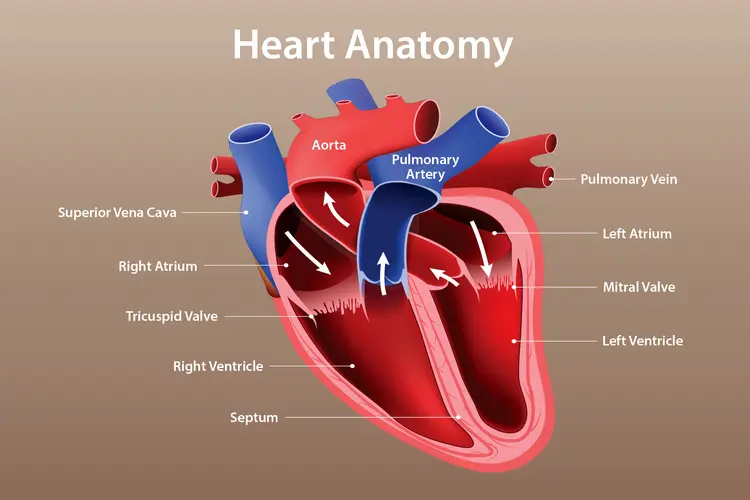
Heart disease refers to a group of conditions that impact the structure and function of the heart. Common forms include coronary artery disease, arrhythmias, disease of the heart muscle, and heart valve disorders. Coronary artery disease arises when the arteries supplying blood, oxygen, and nutrients to the heart become narrowed or blocked. This is often due to plaque buildup. Reduced blood flow through these arteries may produce symptoms such as chest pain or shortness of breath, and a complete blockage can trigger a heart attack.
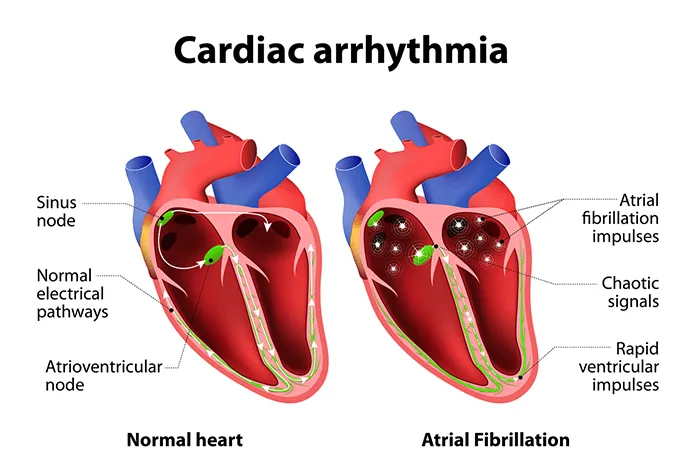
Heart failure occurs when the heart is unable to pump blood efficiently; this dysfunction may result from narrowed arteries, high blood pressure, or structural changes that leave the heart too weak or stiff to function properly. Arrhythmias describe irregularities in heart rhythm, a possible indication of underlying conditions. A cardiologist assesses, diagnoses, and manages all these heart-related disorders.
How Is It Diagnosed?
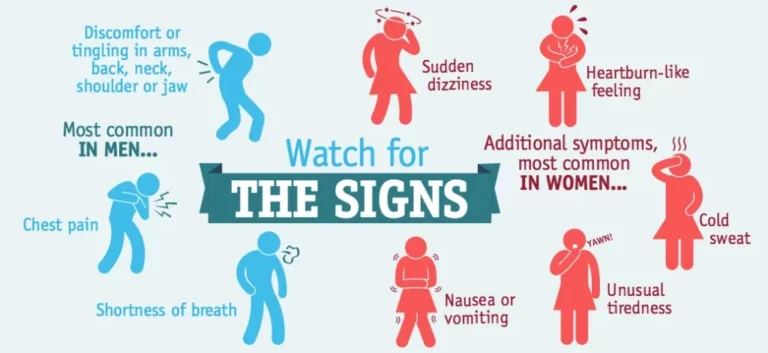
Symptoms of heart disease vary by condition. For coronary artery disease, common symptoms include pain or numbness in the neck, back, or arms. Some individuals may not notice symptoms until a complication, such as a heart attack. Arrhythmias may be noticed as a fluttering sensation in the chest, rapid or slow heartbeat, or dizziness, and heart valve problems might cause breathlessness, fatigue, and irregular heartbeat.
Diagnosis generally starts with a physical examination and review of personal and family health history. Cardiologists employ several tests to diagnose specific conditions:
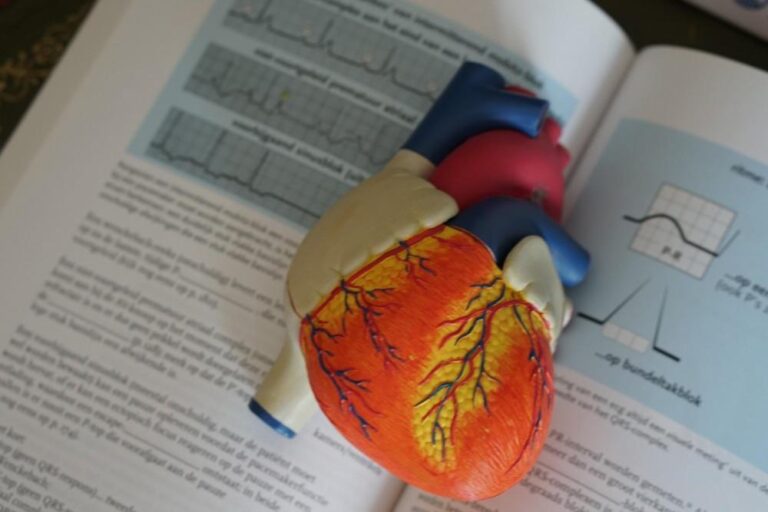
- Electrocardiogram (ECG): Records electrical signals from the heart to detect rhythm abnormalities or prior heart attacks.
- Echocardiogram: Uses sound waves to create images showing the heart’s structure and function, helping identify issues with pumping or valves.
- Stress Tests: Monitor heart performance during physical activity.
By analyzing the results of these assessments, a cardiologist can identify the type and severity of heart disease and recommend appropriate next steps.
How Does a Cardiologist Treat It?
Management of heart disease depends on the individual’s diagnosis and overall health. Treatment strategies are tailored to each patient and often include a combination of medical advice, medication, non-surgical procedures, and surgery. Lifestyle guidance from a cardiologist may address diet, exercise, and smoking cessation. Medication is often employed to control symptoms, reduce the risk of complications, and address risk factors such as high blood pressure or cholesterol. Drugs can also prevent blood clots, helping to regulate heart rhythm.
For some individuals, cardiologists recommend or perform specialized procedures, such as heart valve repair surgery. Additional procedures and therapies may be explored based on the specific form of heart disease and individual patient needs. Ongoing follow-up is a key aspect of management, which allows cardiologists to monitor progress, adjust treatments, and provide support.
Speak Further With a Cardiologist
A cardiologist offers specialized care for the diagnosis and ongoing management of heart disease. Working with a cardiologist gives individuals access to advanced testing and ongoing support in managing risk factors. For those living with risk factors such as a family history, high blood pressure, elevated cholesterol, or diabetes, an assessment by a cardiologist can help clarify risk and guide individualized care. Regular communication with a specialist promotes long-term cardiovascular health and provides reassurance throughout the management process.