
The Impact of Atrial Fibrillation on Quality of Life
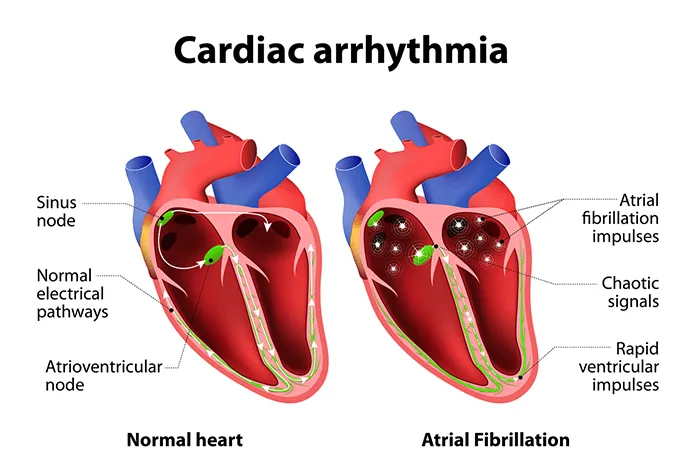
Atrial Fibrillation is a heart rhythm disorder that affects the heart’s ability to pump blood efficiently and may increase the risk of complications such as stroke and heart failure. It also influences day-to-day life through symptoms like fatigue, shortness of breath, and anxiety related to unpredictable episodes. Here’s a closer look at the impact of atrial fibrillation on quality of life:
Living With Atrial Fibrillation
The physical symptoms of atrial fibrillation often create immediate barriers to performing everyday tasks. These symptoms can range from mild annoyance to severe debilitation, depending on the frequency and intensity of the episodes. Here are some of its effects on daily life:
- Physical Exhaustion: Patients experience a significant decline in energy, making it difficult to complete household chores or climb stairs without needing rest.
- Reduced Exercise Tolerance: Activities that were once easy, such as gardening or walking the dog, may trigger palpitations or shortness of breath.
- Sleep Disturbances: Irregular heartbeats can be more noticeable when lying down, leading to insomnia or frequent awakenings.
- Dizziness and Balance Issues: Episodes of lightheadedness increase the risk of falls, particularly in older adults.
These physical limitations often require individuals to adjust their pace and expectations regarding what they can accomplish in a single day.
Coping With the Emotional Impact
Beyond the physical symptoms, atrial fibrillation introduces a mental and emotional burden that is often overlooked. The erratic nature of the heart’s rhythm can create a constant state of vigilance. Patients may find themselves constantly monitoring their pulse or worrying about when the next episode will occur. This anticipation is known as symptom preoccupation.
Fear of having an episode in public can lead to social withdrawal. Individuals may decline invitations to gatherings, travel, or events because they are concerned about being away from their medical support system or feeling unwell in an unfamiliar setting. The need to explain the condition to others can be exhausting, leading some to keep their struggles private.
Adjusting Work and Routines
For individuals who are still in the workforce or maintain active lifestyles, atrial fibrillation requires significant adjustments. Professional responsibilities and leisure activities often need modification to accommodate the condition. Here are key areas where adjustments need to be made:
- Workplace Challenges: Symptoms such as fatigue and brain fog can impair concentration and productivity, sometimes necessitating reduced hours or a change in job responsibilities.
- Travel Restrictions: Long-distance travel may become complicated due to the need for medication management, access to healthcare, and the physical stress of transit.
- Dietary Changes: Management often involves avoiding triggers such as caffeine and alcohol, which can alter social habits and dining choices.
- Medication Management: The strict schedule required for blood thinners and anti-arrhythmic drugs introduces a new layer of complexity to daily routines.
These disruptions compel individuals to plan their days meticulously, often prioritizing health maintenance over spontaneity.
Improving Quality of Life
Effective management of atrial fibrillation is key to restoring a sense of normalcy. Treatment strategies prevent complications like stroke and also control symptoms; specialists focus on rate and rhythm control to stabilize the heart. Medications can slow a racing heart, thereby alleviating fatigue and improving exercise tolerance.
Anti-arrhythmic drugs or procedures like cardioversion are necessary to restore a normal rhythm for some patients. Stroke prevention through anticoagulants reduces the anxiety associated with the risk of blood clots. Lifestyle modifications also play a fundamental role in treatment. Addressing contributing factors such as high blood pressure, sleep apnea, and obesity can significantly reduce the frequency of episodes.
Schedule Your Atrial Fibrillation Consultation
Living with atrial fibrillation presents challenges that extend beyond clinical symptoms, affecting physical capacity, emotional well-being, and daily routines. Managing this condition requires appropriate medical interventions, lifestyle modifications, and treatment of underlying conditions. Contact a qualified cardiologist near you to schedule your consultation and discuss a personalized care plan.