The Impact of an Orthopedic Surgeon on Sports Injuries
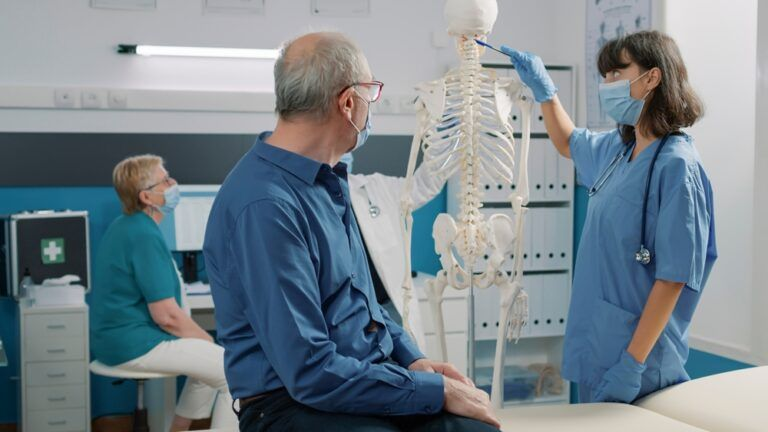
An orthopedic surgeon is a medical doctor who specializes in the musculoskeletal system, and this includes bones, joints, ligaments, tendons, and muscles. When an athlete experiences an injury, an orthopedic surgeon diagnoses and treats the issue, and their work supports the recovery process. They provide a path forward for athletes dealing with sports-related physical problems. Here is more information on how orthopedic surgeons help with sports injuries:
Using Diagnostic Imaging Tools
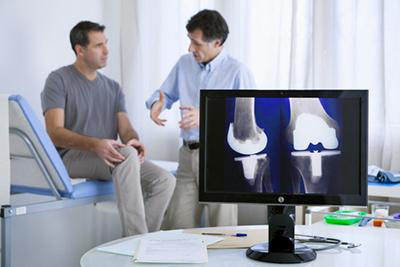
Orthopedic surgeons use various imaging tools to understand injuries. X-rays, MRIs, and CT scans provide detailed pictures of internal structures. After a surgeon reviews the images, they can identify the exact nature of the damage. This detailed information helps them develop a specific treatment plan for each patient’s unique injury.
Performing Minimally Invasive Surgeries
Many modern orthopedic procedures are minimally invasive. Surgeons make small incisions and use tiny cameras to see inside the body, and this approach often leads to less tissue damage. Compared to traditional open surgery, patients may experience smaller scars and a different recovery timeline.
These methods apply to many sports injuries, and surgeons can repair torn ligaments or cartilage through small openings. Because the incisions are minimal, the surrounding healthy tissue is less disturbed. This precision is a key feature of arthroscopic surgery.
The goal is to address the injury with minimal impact on the body. While recovery still takes time, the process is typically more direct. Patients receive guidance on managing their healing, and they typically receive post-operative steps to follow.
Preventing Complications
Managing an injury involves additional treatments, and orthopedic surgeons work to prevent additional problems. To do this, they create plans to help you regain strength and mobility safely. Following this guidance is a part of the recovery process.
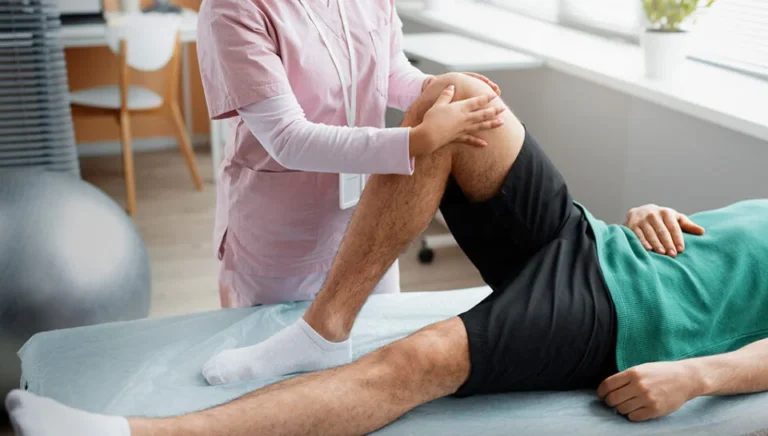
Proper post-operative care helps manage potential issues, and it may involve several modalities. To avoid these, surgeons may recommend specific actions to protect the injured area. These could include:
- Following a physical therapy routine
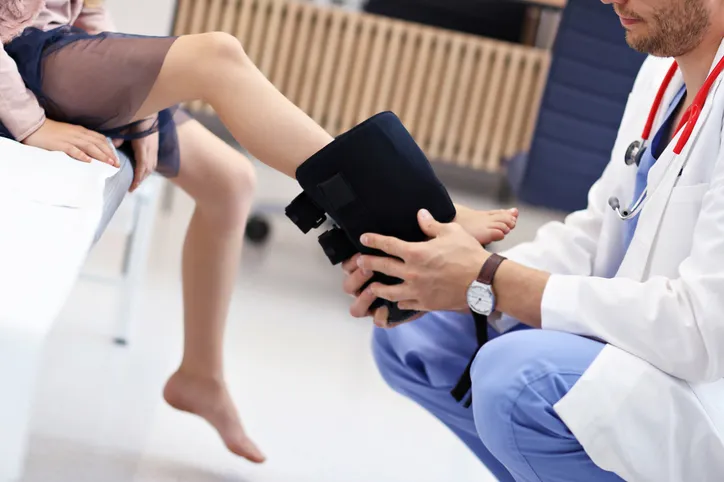
- Using braces or splints
- Modifying certain activities
It is wise to adhere to your surgeon’s recommendations for post-operative care. These suggestions are designed to promote proper healing and prevent any setbacks. While recovering, you might need to balance rest with prescribed physical activities, which can help you regain function over time.
Reducing Pain
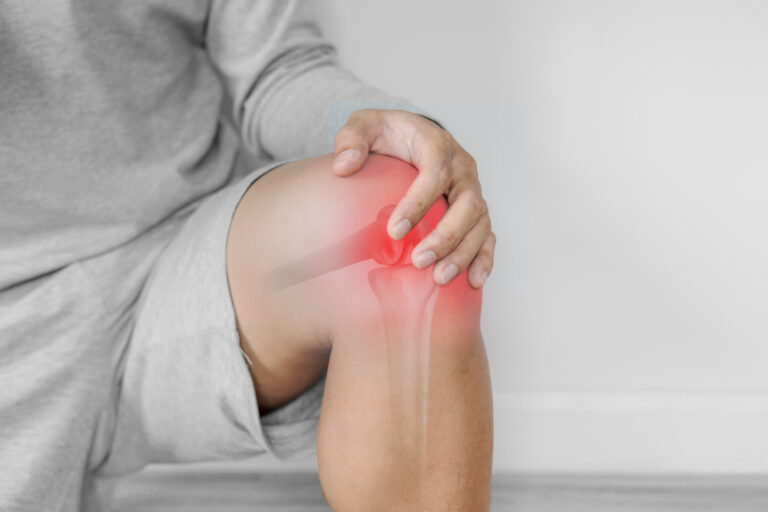
An orthopedic surgeon also focuses on pain management. An injury can cause significant discomfort, so a surgeon will suggest methods to alleviate it. These methods might include medication, injections, or physical therapy. They will explain the options available to you.
Pain reduction is a component of the healing process. When pain is managed, you may find it easier to participate in rehabilitation exercises. The surgeon creates a plan that addresses pain while supporting your body’s recovery. This balanced approach helps you move forward.
Visit an Orthopedic Surgeon
A surgeon offers specialized knowledge to guide you through diagnosis, treatment, and recovery. They use advanced techniques to address musculoskeletal problems and provide viable solutions. If you have a sports-related injury, professionals can help. Schedule a consultation with a spine specialist to discuss your situation and learn about your options.