
The Connection Between Arthritis and Overall Health
Arthritis is a broad term for various progressive conditions, and it can cause significant tenderness, stiffness, and swelling. This disease damages connective tissues over time, and it creates systemic issues throughout the entire body. While people may associate it solely with aging, it impacts individuals of various demographics and backgrounds. Here is more information on the link between arthritis and overall health:
Increased Inflammation
When arthritis persists long-term without treatment, inflammation may occur and target your healthy tissue cells. Inflammation-related chemicals are released continuously into the bloodstream, and they damage systems far beyond the affected joints. Inflammation acts as a natural defense mechanism against injury or viral infection within the body. Because this response does not shut off, it attacks internal organs such as the eyes or lungs.
This chronic swelling affects the cardiovascular system, and blood vessels narrow due to prolonged stress. Heart disease risks may rise for patients who suffer from unmanaged inflammatory conditions. Because the heart works much harder to pump, the entire circulatory system suffers from increased pressure.
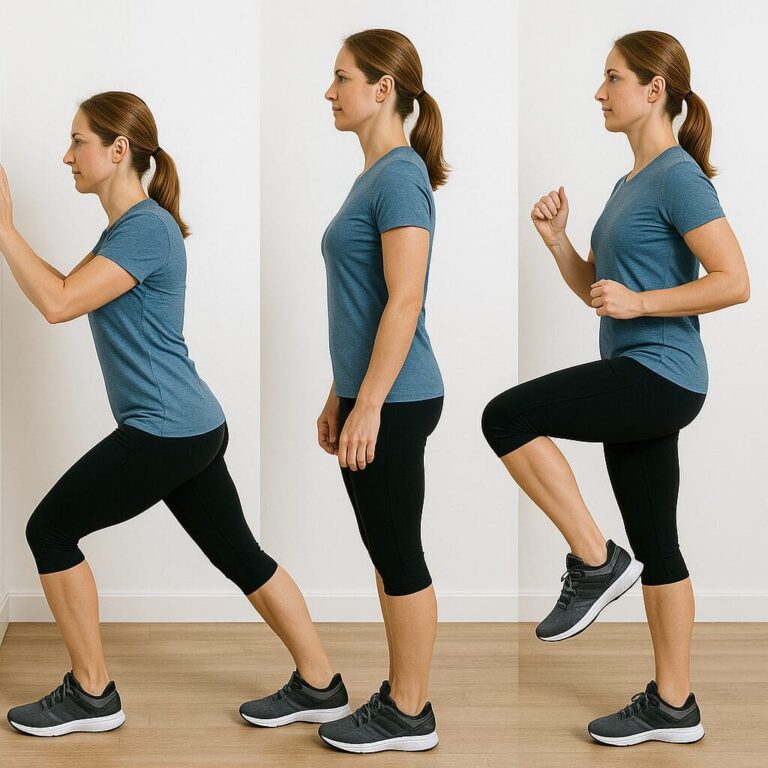
Reduced Range of Motion
Stiffness limits how far a joint moves in any direction during your normal daily routine. If you avoid movement due to stiffness, the surrounding tissues become tighter and less flexible. Daily tasks become difficult to complete, and simple movements require significant physical effort to execute. You lose the ability to perform routine activities like walking, dressing, or grasping objects.
When the body stops moving regularly, overall endurance levels may drop sharply, while physical fatigue sets in. Muscles might weaken from lack of use, and stability decreases within the affected limbs and core. A sedentary lifestyle results from this limited mobility and concerns of creating more pain.
Weight gain occurs easily during inactivity, and this places extra stress on knees and hips. Obesity may exacerbate arthritis symptoms quickly and aggressively by adding pressure to damaged areas. Since the body burns fewer calories daily, a dangerous cycle of inactivity and gain begins. Extra weight typically accelerates the breakdown of joint tissue and increases pain levels across the board.
Worn Cartilage
Cartilage cushions the ends of bones within your joints to prevent friction during physical movement. This protective tissue breaks down over time, and bones rub directly against each other painfully. Because this friction causes structural damage, it leads to several specific physical changes within the joint. This includes:
- Bone spurs
- Joint deformity
- Friction sensations
Elevated Pain
While medication helps manage symptoms, the underlying damage often persists without professional medical intervention. Pain signals indicate that something is wrong within the joint structure or the surrounding nerves. Nerves send constant distress messages, and this exhausts the body’s energy reserves throughout the day. While sleep is necessary for healing, pain interrupts rest cycles and prevents deep recovery.
Get Treated for Arthritis
You have options for relief, and medical intervention can provide a path forward for your future health. If you experience persistent joint pain, seeking professional help prevents further damage to your mobility. Schedule an appointment with a pain specialist today to discuss a personalized treatment plan for your specific needs.