The Benefits of Platelet Rich Plasma Therapy for Joint Pain
Joint pain is common, and it may require comprehensive medical intervention. Platelet rich plasma (PRP) therapy is a medical procedure used to treat various musculoskeletal conditions. This treatment utilizes a patient’s own blood components to address underlying cellular damage. Here is more information on joint pain and platelet rich plasma therapy:
What Is Joint Pain?
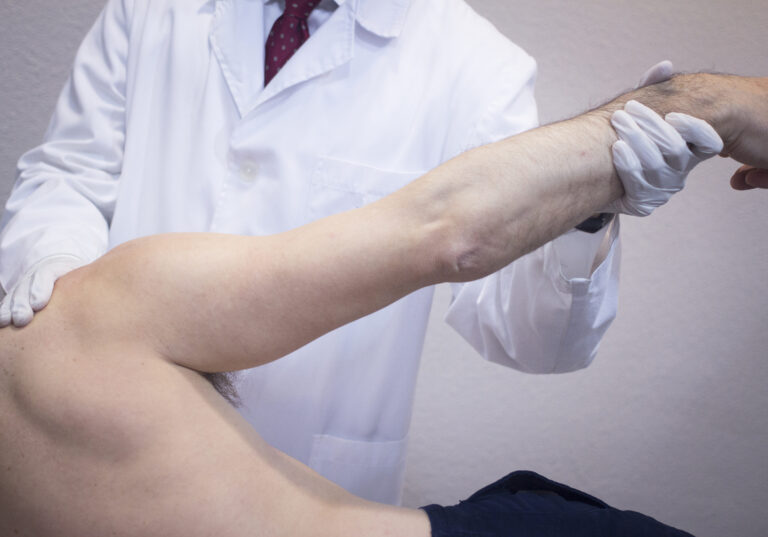
Joint pain refers to physical discomfort in the body’s joints, and it presents in multiple anatomical locations. Patients may report aching or stiffness that limits their daily physical activities. Medical professionals evaluate the severity of the pain and use diagnostic imaging to observe the affected tissue. Platelet rich plasma therapy is a non-surgical treatment option that treats joint pain.
What Causes It?
Osteoarthritis is a leading cause of joint pain, and it occurs when the protective cartilage wears down over time. This degeneration causes the bones to rub against each other, leading to pain and swelling. Rheumatoid arthritis is another condition in which the immune system attacks the joint linings. These conditions progressively damage the joint structure.
Physical injuries also trigger joint pain, and they may occur during athletic activities or accidents. Ligament tears and muscle sprains damage the joint mechanics, and the surrounding tissues develop active inflammation. Tendinitis is an inflammation of the tendons caused by repetitive movements or sudden strain. Medical providers assess and treat these specific causes.
What Is Platelet Rich Plasma Therapy?
PRP therapy is an orthobiologic treatment that uses concentrated blood components to address tissue damage. Platelets contain specific growth factors, and these proteins actively participate in the body’s natural cellular repair processes. The therapy isolates these platelets from the patient, and providers deliver them directly to the targeted joint space. This concentration of growth factors is higher than normal blood, delivering a potent biological signal to the tissues.
How Does It Work?
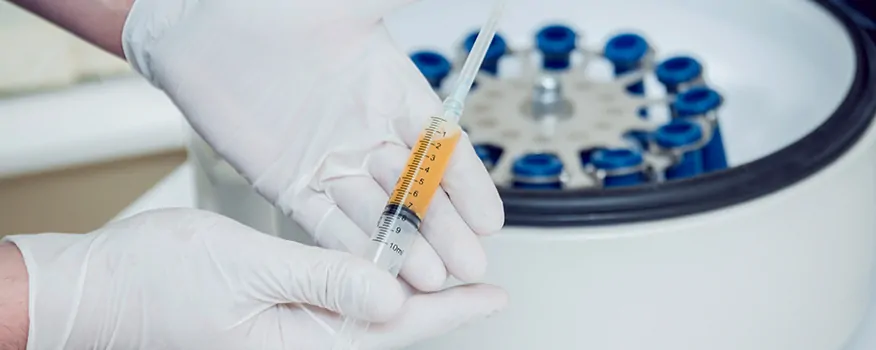
The procedure begins with a standard blood draw, and the medical staff collects a small volume of the patient’s blood. A technician places the blood sample into a centrifuge, which spins it at high speed. The spinning process separates the blood into distinct layers, and the technician isolates the platelet-rich plasma layer for the injection. The provider may complete the process in a single visit.
After preparing the plasma, the physician injects the concentrated platelets into the joint. The growth factors can then interact with the local tissues. The patient may rest for a brief period, and the medical staff provides post-procedure instructions.
What Are the Benefits?
PRP therapy offers several clinical advantages, and patients may experience a significant reduction in their symptoms. The treatment targets the underlying biological environment and modifies the inflammatory response within the joint capsule. Additional benefits include:
- Minimal risk of allergic reaction or rejection
- No general anesthesia
- Quick recovery time
- Localized treatment of damaged tissues
Patients may experience better physical function during their follow-up appointments. This treatment supports the body’s natural repair mechanisms, providing a biological approach to joint management.
Find Relief From Joint Pain
Joint discomfort limits daily mobility, and it requires targeted medical care to address the underlying cellular damage. Platelet rich plasma therapy represents a biological approach that utilizes specific growth factors to alter the joint environment. Schedule a consultation with a specialist today to learn whether this therapy is right for your medical profile.