The Benefits of Follow-up Care at a Vein Center
Vein conditions affect millions of people and can lead to discomfort, reduced mobility, and other health complications if left untreated. Initial treatment at a vein center addresses immediate symptoms, and follow-up care plays a key role in long-term recovery and prevention. Understanding what these centers offer and how follow-up care supports your health helps you make informed care decisions.
What Is a Vein Center?
A vein center is a medical facility specializing in diagnosing and treating conditions of the venous system. These centers employ vascular specialists who use advanced imaging and minimally invasive procedures to address vein disorders. Patients visit these centers for both initial consultations and ongoing management of their conditions, and the facilities are equipped with specialized technology designed for vein treatment.
What Are the Available Services?
Vein centers provide a range of diagnostic and therapeutic services tailored to different conditions. Diagnostic services include ultrasound imaging to assess blood flow and identify abnormalities in the veins. Therapeutic options may include sclerotherapy, radiofrequency ablation, and minimally invasive surgical procedures. These centers may also offer consultation services to help patients understand their condition and develop personalized treatment plans, and post-treatment monitoring is a valuable part of the care process.
What Conditions Are Treated?
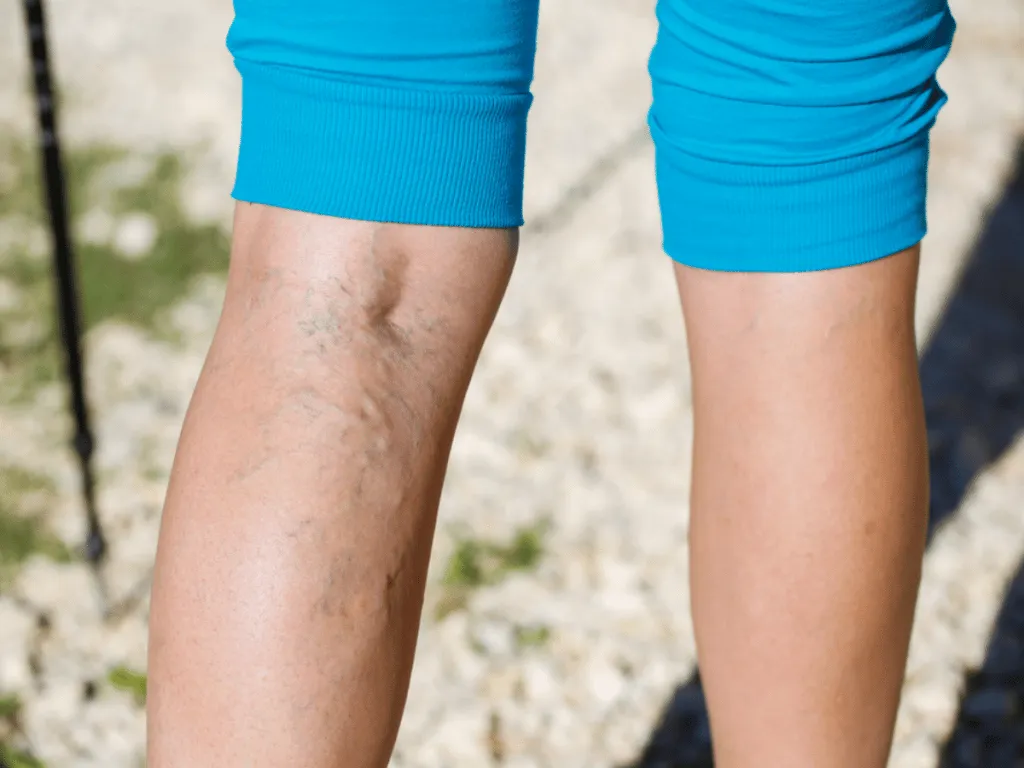
Vein centers treat a range of conditions affecting the venous system. Varicose veins are a common issue, characterized by enlarged, twisted veins that often appear on the legs. Pelvic veins and pelvic congestion syndrome occur when veins in the pelvic region become enlarged and cause chronic pain, and these conditions are often treated through specialized imaging and embolization procedures.
Fibroids, which are non-cancerous growths in the uterus, can be managed through uterine fibroid embolization at some vein centers. Diabetic leg sores, also known as venous ulcers, result from poor circulation, and they require careful management to promote healing. Varicocele is an enlargement of the veins within the scrotum. Venous insufficiency, a condition in which veins struggle to return blood to the heart, is also commonly treated with both medical and procedural interventions.
What Does Follow-up Care Involve?
Follow-up care typically begins with a scheduled appointment after the initial treatment. During these visits, the vascular specialist evaluates the treated area using imaging techniques such as ultrasound, and they assess healing and blood flow. The specialist checks for any signs of complications, recurrence, or new vein issues that may require attention.
Patients may receive guidance on lifestyle modifications, the use of compression garments, and activity levels to support recovery. Follow-up visits may also include additional treatments if the initial procedure needs reinforcement, and the frequency of these appointments depends on the severity of the condition and the type of treatment received. Regular monitoring allows the specialist to adjust the treatment plan as needed.
What Are the Benefits?
Follow-up care at a vein center offers several advantages that improve health outcomes. Regular monitoring helps detect complications early, and it allows prompt intervention before issues worsen. This proactive approach may reduce the risk of recurrence and help maintain the results achieved through initial treatment.
Patients benefit from personalized guidance tailored to their specific condition and recovery progress. The specialist can provide recommendations on preventing new vein problems and managing existing conditions more effectively. Follow-up appointments also offer an opportunity to address any questions after treatment, and continuity of care supports lasting improvement.
Seek Follow-up Today
Follow-up care at a vein center is a valuable component of managing vein conditions and supporting long-term health. Regular monitoring and early detection of complications contribute to better outcomes and sustained results. Schedule a follow-up appointment with a specialist and learn more about vascular care.