Surgical vs. Non-Surgical Treatments for Spinal Stenosis
Spinal stenosis is a condition characterized by the narrowing of the spaces within your spine, which can put pressure on the nerves that travel through it. This narrowing occurs most often in the lower back and the neck, and it leads to symptoms like pain, tingling, numbness, or muscle weakness. While the diagnosis can be challenging, several distinct paths are available for managing the condition. Patients and healthcare providers typically explore two main categories of treatment: conservative non-surgical approaches and surgical interventions.
Non-Surgical Treatments
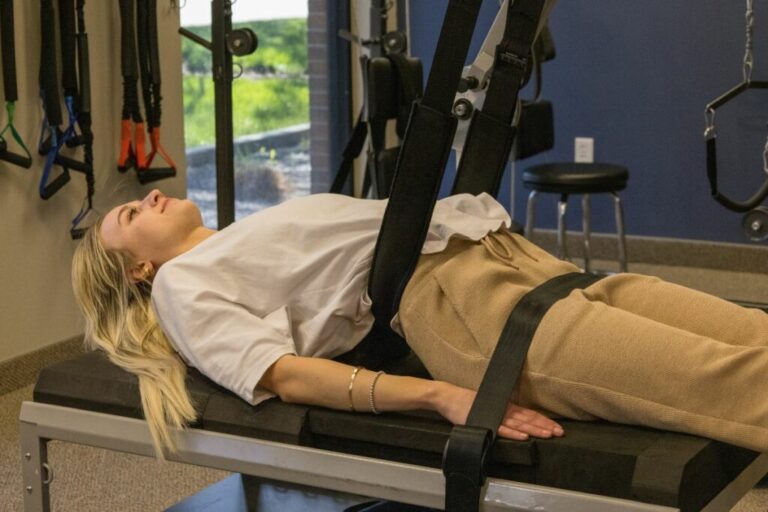
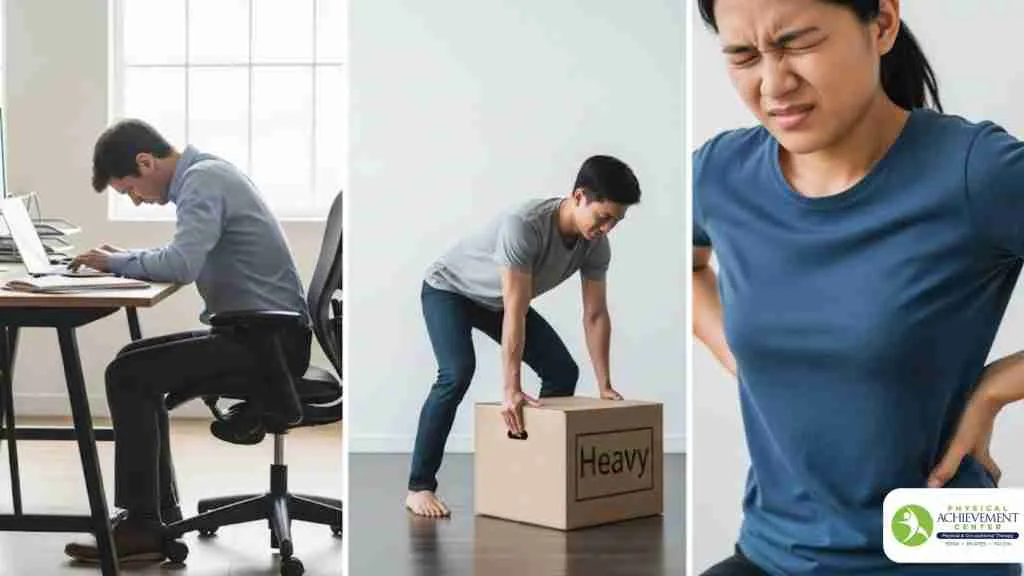
For many individuals diagnosed with spinal stenosis, doctors recommend starting with conservative treatments. The goal of these therapies is often to relieve pain and restore function without the risks associated with surgery. Physical therapy is a common first step. A physical therapist can design an exercise program that builds your strength and endurance, maintains the flexibility and stability of your spine, and improves your balance. Activity modification is also advisable, and avoiding activities that worsen symptoms, such as heavy lifting or prolonged walking, can provide relief. These conservative measures are often effective enough that surgery is not immediately necessary.
Medications may also help manage symptoms. Over-the-counter pain relievers such as ibuprofen or acetaminophen can help reduce pain and inflammation. In some cases, doctors might prescribe other medications to address nerve pain specifically. Steroid injections are another non-surgical option. Your doctor may inject a corticosteroid into the space around the constricted nerve roots. This can help reduce inflammation and relieve some of the pressure, but it does not fix the narrowing itself.
Surgical Treatments for Spinal Stenosis
When conservative treatments do not provide sufficient relief, or if symptoms are severe and progressive, surgery may be suggested. The primary goal of surgery is to relieve pressure on the spinal cord or nerve roots by creating more space within the spinal canal. Laminectomy is the most common surgery for this condition; this procedure involves removing the back part of the affected vertebra, known as the lamina. This eases the pressure on the nerves by creating more room for them.
Another option is spinal fusion. This surgery permanently connects two or more vertebrae. It is often performed after a laminectomy to stabilize the spine and reduce pain. Bone grafts or metal hardware may be used to hold the vertebrae in place while they fuse together. For specific cases, a laminotomy might be performed. This procedure removes only a portion of the lamina, and the surgeon carves a hole just large enough to relieve pressure at a specific spot. Minimally invasive options are also available. These involve smaller incisions and typically result in shorter recovery times compared to open surgery.
Outcome Comparisons
Comparing outcomes between surgical and non-surgical treatments involves weighing immediate relief against long-term risks. Surgery often provides quicker and more significant relief from leg pain, and it offers improved function for those with severe symptoms. It carries potential side effects such as infection, blood clots, and failure to relieve pain. Non-surgical treatments avoid these surgical side effects entirely. They are generally safer, but they may require a longer commitment to see results. For patients with mild to moderate symptoms, conservative care often results in satisfactory pain management and functional improvement over time. Ultimately, the “better” outcome depends heavily on the severity of the stenosis and the patient’s overall health.
Ask a Doctor Today
Deciding between surgical and non-surgical treatments is a significant choice that requires professional guidance. Every patient’s spine is unique, and what works for one person may not be suitable for another. Consulting with a specialist provides you with a comprehensive evaluation of your specific condition. They can help you weigh the risks and benefits of each option based on your medical history and lifestyle goals. If you are experiencing symptoms of spinal stenosis, schedule an appointment to discuss your treatment path.